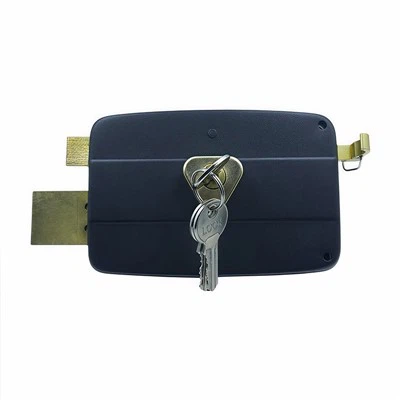
A quarter turn latch is a type of mechanical fastener that has gained widespread use across various industries due to its simplicity, efficiency, and reliability. As a supplier of quarter turn latches, I have witnessed firsthand the diverse applications and benefits of these innovative devices. In this blog post, I will delve into the opening and closing mechanism of a quarter turn latch, exploring its components, operation, and the factors that influence its performance.
Components of a Quarter Turn Latch
Before we can understand the opening and closing mechanism of a quarter turn latch, it is essential to familiarize ourselves with its key components. A typical quarter turn latch consists of the following parts:
- Cam: The cam is the central component of the quarter turn latch. It is a specially shaped piece that rotates around an axis, converting rotational motion into linear motion. The cam's shape determines the amount of travel and the force exerted during the opening and closing process.
- Striker: The striker is a fixed component that is mounted on the mating surface. It is designed to engage with the cam, providing a secure locking mechanism. The striker can be a simple pin or a more complex structure, depending on the application requirements.
- Handle or Actuator: The handle or actuator is used to rotate the cam. It can be a manual lever, a key-operated mechanism, or an automated actuator, depending on the specific design of the latch.
- Housing: The housing is the enclosure that holds the cam, striker, and other components in place. It provides protection and support for the internal parts, ensuring their proper operation.
Opening and Closing Mechanism
The opening and closing mechanism of a quarter turn latch is based on the principle of cam action. When the handle or actuator is rotated, the cam rotates around its axis, causing it to engage or disengage with the striker.
Closing Process
- Initial Position: When the latch is in the open position, the cam is aligned in such a way that it does not interfere with the striker. The handle or actuator is typically in a position that allows for easy access and rotation.
- Rotation of the Cam: As the handle or actuator is rotated, the cam begins to rotate around its axis. The shape of the cam is designed in such a way that as it rotates, it moves towards the striker.
- Engagement with the Striker: As the cam continues to rotate, it comes into contact with the striker. The interaction between the cam and the striker causes the cam to move linearly, pulling the mating surfaces together. This creates a secure locking mechanism, preventing the two surfaces from separating.
- Final Locked Position: Once the cam has fully engaged with the striker, the latch is in the locked position. The handle or actuator is typically held in place by a detent or a locking mechanism, ensuring that the latch remains secure.
Opening Process
- Initial Position: When the latch is in the locked position, the cam is fully engaged with the striker, holding the mating surfaces together.
- Rotation of the Cam: To open the latch, the handle or actuator is rotated in the opposite direction. This causes the cam to rotate around its axis, moving away from the striker.
- Disengagement from the Striker: As the cam continues to rotate, it disengages from the striker. This releases the locking mechanism, allowing the mating surfaces to separate.
- Final Open Position: Once the cam has fully disengaged from the striker, the latch is in the open position. The handle or actuator is typically held in place by a detent or a locking mechanism, ensuring that the latch remains open.
Factors Affecting the Performance of a Quarter Turn Latch
Several factors can influence the performance of a quarter turn latch, including:
- Cam Design: The shape and dimensions of the cam play a crucial role in determining the amount of travel and the force exerted during the opening and closing process. A well-designed cam can provide smooth and reliable operation, while a poorly designed cam can result in binding, excessive wear, or reduced locking force.
- Striker Design: The design of the striker also affects the performance of the latch. The striker should be designed to provide a secure and reliable engagement with the cam, while also allowing for easy disengagement during the opening process.
- Material Selection: The materials used in the construction of the latch can have a significant impact on its performance and durability. High-quality materials, such as stainless steel or aluminum, can provide excellent corrosion resistance and strength, while lower-quality materials may be more prone to wear and failure.
- Installation: Proper installation is essential for ensuring the optimal performance of a quarter turn latch. The latch should be installed in accordance with the manufacturer's instructions, ensuring that it is properly aligned and tightened. Incorrect installation can result in binding, reduced locking force, or premature wear.
Applications of Quarter Turn Latches
Quarter turn latches are used in a wide range of applications, including:
- Cabinet and Enclosure Doors: Quarter turn latches are commonly used to secure cabinet and enclosure doors. They provide a simple and reliable way to keep the doors closed, while also allowing for easy access when needed.
- Electrical Panels: In electrical panels, quarter turn latches are used to secure the access doors, preventing unauthorized access and protecting the electrical components inside.
- Automotive and Aerospace Applications: Quarter turn latches are used in automotive and aerospace applications to secure various components, such as engine covers, access panels, and storage compartments.
- Industrial Equipment: In industrial equipment, quarter turn latches are used to secure machine guards, access panels, and other components, ensuring the safety and reliability of the equipment.
Conclusion
In conclusion, the opening and closing mechanism of a quarter turn latch is based on the principle of cam action. By rotating the cam, the latch can be easily opened and closed, providing a secure and reliable locking mechanism. As a supplier of quarter turn latches, I understand the importance of providing high-quality products that meet the specific needs of our customers. Whether you are looking for a Small Door Lock, an Outdoor Lock, or a Push Door Lock, we have the expertise and experience to provide you with the right solution.
If you are interested in learning more about our quarter turn latches or would like to discuss your specific requirements, please do not hesitate to contact us. We are always happy to assist you with your procurement needs and look forward to the opportunity to work with you.


References
- "Mechanical Fasteners Handbook"
- "Design and Analysis of Cam Mechanisms"
- "Engineering Materials and Their Applications"