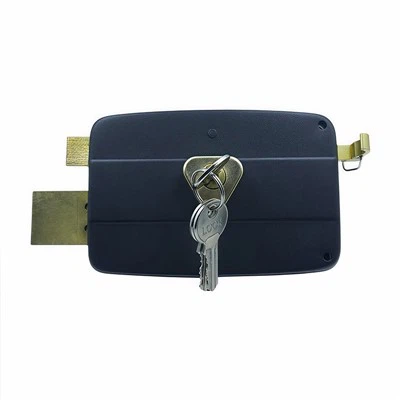
Hey there! As a push bar lock supplier, I get a ton of questions about how these locks work. So, I thought I'd break down the locking mechanism of a push bar lock in a way that's easy to understand.
The Basics of a Push Bar Lock
First off, let's talk about what a push bar lock is. You've probably seen them in public buildings, like schools, hospitals, and office complexes. They're those long horizontal bars on doors that you can push to open the door quickly. They're super important for safety because they allow people to exit a building in a hurry during an emergency.
The Core Components
A push bar lock has several key parts that work together to keep the door secure and allow for easy access.
The Push Bar
The most obvious part is the push bar itself. It's the long, horizontal bar that you push to open the door. When you apply pressure to the push bar, it activates the locking mechanism inside the lock.
The Latch
The latch is what keeps the door closed. It's a small, metal piece that fits into a strike plate on the door frame. When the door is closed, the latch engages with the strike plate, holding the door in place.
The Deadbolt (Optional)
Some push bar locks also have a deadbolt. A deadbolt is a more secure locking mechanism than a latch. It's a solid piece of metal that slides into a hole in the door frame when the lock is engaged. Deadbolts provide an extra layer of security, especially for doors that need to be more secure, like those in banks or jewelry stores.
The Cylinder
The cylinder is the part of the lock where you insert the key. When you turn the key in the cylinder, it activates the locking mechanism, either engaging or disengaging the latch and deadbolt.
How the Locking Mechanism Works
Now that we know the basic components, let's talk about how they work together to lock and unlock the door.


Locking the Door
When you close the door, the latch automatically engages with the strike plate. This is called a "spring latch" because it uses a spring to push the latch into place. If your push bar lock has a deadbolt, you'll need to turn the key in the cylinder to engage the deadbolt. This slides the deadbolt into the hole in the door frame, providing an extra layer of security.
Unlocking the Door
To unlock the door from the outside, you simply insert the key into the cylinder and turn it. This disengages the latch and deadbolt, allowing you to open the door. From the inside, you can simply push the push bar. When you push the push bar, it activates a lever inside the lock that disengages the latch. This allows the door to swing open.
Types of Push Bar Locks
There are several types of push bar locks, each with its own unique locking mechanism.
Rim-Mounted Push Bar Locks
Rim-mounted push bar locks are the most common type of push bar lock. They're mounted on the surface of the door, rather than being recessed into the door. Rim-mounted push bar locks are easy to install and are suitable for most types of doors. You can check out Shed Door Locks and Shed Lock for some great examples of rim-mounted locks.
Mortise Push Bar Locks
Mortise push bar locks are more expensive and more difficult to install than rim-mounted locks. They're installed inside a pocket (or "mortise") that's cut into the edge of the door. Mortise push bar locks are more secure than rim-mounted locks because they're less visible and more difficult to tamper with.
Electromagnetic Push Bar Locks
Electromagnetic push bar locks use an electromagnetic field to hold the door closed. When the power is turned off (either manually or by a fire alarm), the electromagnetic field is deactivated, allowing the door to open. Electromagnetic push bar locks are often used in buildings where security is a major concern, like airports and government buildings.
Safety and Security Features
Push bar locks are designed with safety and security in mind.
Emergency Egress
One of the most important features of a push bar lock is its ability to allow for quick and easy emergency egress. In an emergency, people can simply push the push bar to open the door, even if they don't have a key. This is crucial for ensuring that people can evacuate a building quickly and safely.
Anti-Panic Function
Push bar locks also have an anti-panic function. This means that the lock can be opened from the inside with a single motion, even if the door is locked. This is important for preventing people from getting trapped inside a building during an emergency.
Tamper Resistance
To ensure the security of the building, push bar locks are designed to be tamper-resistant. They use high-quality materials and advanced locking mechanisms to prevent unauthorized access. For example, some push bar locks have a pick-resistant cylinder, which makes it more difficult for someone to pick the lock with a tool.
Maintenance and Troubleshooting
Like any mechanical device, push bar locks require regular maintenance to ensure they work properly.
Lubrication
It's important to lubricate the moving parts of the lock regularly. This helps to prevent the lock from sticking and ensures that it operates smoothly. You can use a silicone-based lubricant to lubricate the latch, deadbolt, and other moving parts.
Inspection
You should also inspect the lock regularly for signs of wear and tear. Check the latch, deadbolt, and strike plate for any damage or signs of corrosion. If you notice any problems, it's important to replace the damaged parts as soon as possible.
Troubleshooting
If your push bar lock isn't working properly, there are a few things you can try. First, make sure that the door is properly aligned with the frame. If the door is misaligned, it can cause the latch to not engage properly. You can also try lubricating the lock to see if that fixes the problem. If the lock still isn't working, it's best to call a professional locksmith to diagnose and fix the problem.
Conclusion
So, there you have it! That's a basic overview of the locking mechanism of a push bar lock. As a push bar lock supplier, I know how important it is to choose the right lock for your needs. Whether you're looking for a lock for a commercial building, a shed, or an outdoor area, we have a wide range of options to choose from. You can explore our Outdoor Lock collection for some great outdoor locking solutions.
If you're interested in purchasing push bar locks or have any questions about our products, feel free to reach out to us. We're here to help you find the perfect lock for your needs and ensure that your building is safe and secure.
References
- "Commercial Door Hardware Handbook" by the Door and Hardware Institute
- "Security Locks: A Guide to Selection and Use" by the National Institute of Justice