As a seasoned supplier of small door locks, I often encounter a crucial question from customers: "What is the installation depth for a small door lock?" This question is of paramount importance as the correct installation depth ensures the lock functions properly, provides adequate security, and enhances the overall aesthetic appeal of the door. In this blog post, I will delve into the factors that determine the installation depth of small door locks, offer practical guidelines, and highlight the significance of getting it right.
Understanding the Basics of Installation Depth
The installation depth of a small door lock refers to the distance from the surface of the door to the point where the lock mechanism is embedded or installed. This measurement is critical because it affects how well the lock fits into the door, how smoothly it operates, and how effectively it secures the door. A lock installed at the wrong depth may not engage properly, leading to difficulties in locking and unlocking, or it may not provide sufficient security against forced entry.
Factors Affecting Installation Depth
Several factors influence the appropriate installation depth for a small door lock. Let's take a closer look at each of these factors:
Door Thickness
The thickness of the door is one of the most significant factors in determining the installation depth. Different types of doors, such as wooden, metal, or composite doors, come in various thicknesses. For example, interior wooden doors typically range from 1 - 3/8 inches to 1 - 3/4 inches in thickness, while exterior doors may be thicker, ranging from 1 - 3/4 inches to 2 - 1/4 inches.

A thicker door may require a lock with a greater installation depth to ensure that the lock mechanism is fully embedded and secure. Conversely, a thinner door may need a lock with a shallower installation depth to prevent the lock from protruding too far or interfering with the door's operation.

Lock Type
There are numerous types of small door locks available in the market, each with its own unique installation requirements. Some common types of small door locks include deadbolts, doorknob locks, and rim locks.
Deadbolts are typically installed into the edge of the door and require a specific depth to ensure that the bolt extends fully into the strike plate on the door frame. Doorknob locks, on the other hand, are installed on the surface of the door and may have different installation depths depending on the design and size of the lock.
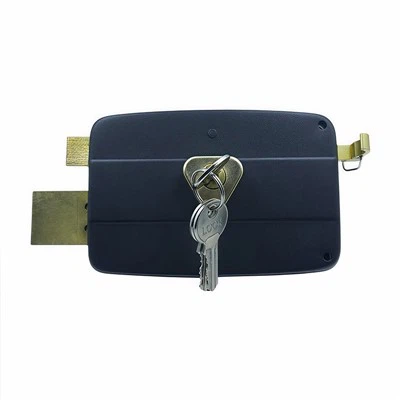
Rim locks are mounted on the surface of the door and are often used for shed doors, garage doors, or other types of secondary doors. Shed Door Locks and Quarter Turn Lock are examples of rim locks that have specific installation depth requirements. These locks are generally easier to install than other types of locks, but it is still important to ensure that they are installed at the correct depth for optimal performance.
Lock Mechanism
The internal mechanism of the lock also plays a role in determining the installation depth. Some locks have a more complex mechanism that requires more space within the door, while others have a simpler design that can be installed at a shallower depth.
For example, a high - security deadbolt with multiple locking points and a sophisticated anti - pick mechanism may require a deeper installation depth to accommodate the additional components. On the other hand, a basic doorknob lock with a simple pin - tumbler mechanism may have a shallower installation depth.
General Guidelines for Installation Depth
While the specific installation depth requirements can vary depending on the factors mentioned above, here are some general guidelines to follow:
Measure the Door Thickness
Before selecting a lock, carefully measure the thickness of the door. Use a reliable measuring tool, such as a tape measure or a caliper, to get an accurate measurement. Make sure to measure at several points along the door to account for any variations in thickness.
Consult the Lock Manufacturer's Instructions
The lock manufacturer's instructions are the most reliable source of information regarding the installation depth. Each lock is designed with specific installation requirements, and following the manufacturer's guidelines will ensure that the lock is installed correctly.
The instructions will typically include detailed diagrams and measurements indicating the recommended installation depth for the lock. They may also provide information on any special tools or techniques required for installation.

Consider the Strike Plate
The strike plate is the component on the door frame that the lock bolt engages with when the door is locked. It is important to ensure that the strike plate is installed at the correct height and depth to align properly with the lock bolt.
The installation depth of the strike plate should be consistent with the installation depth of the lock to ensure a secure and smooth locking mechanism. In some cases, the strike plate may need to be adjusted or replaced to accommodate the lock.
Importance of Correct Installation Depth
Installing a small door lock at the correct depth is essential for several reasons:
Security
A lock installed at the correct depth provides optimal security. The lock bolt can fully extend into the strike plate, creating a strong barrier against forced entry. If the lock is installed too shallow, the bolt may not engage properly, making it easier for an intruder to break into the door.

Functionality
Proper installation depth ensures that the lock operates smoothly. The key can be inserted and turned easily, and the lock can be locked and unlocked without any resistance or jamming. A lock installed at the wrong depth may cause the key to stick or the lock to malfunction, leading to inconvenience and frustration.
Aesthetics
The correct installation depth also contributes to the overall aesthetic appeal of the door. A lock that is installed flush with the door surface looks more professional and attractive than one that protrudes or is misaligned. This can enhance the appearance of the door and the entire property.
Different Types of Small Door Locks and Their Installation Depths
Let's take a closer look at some specific types of small door locks and their typical installation depths:
Deadbolts
Deadbolts are one of the most common types of door locks for both residential and commercial applications. For standard residential doors with a thickness of 1 - 3/4 inches, the installation depth for a deadbolt is typically around 2 - 1/8 inches. This allows the deadbolt to extend fully into the strike plate and provide a high level of security.
Doorknob Locks
Doorknob locks are often used for interior doors, such as bedroom or bathroom doors. The installation depth for a doorknob lock can vary depending on the design and size of the lock. For a standard doorknob lock, the installation depth is usually around 1 - 1/2 inches to 1 - 3/4 inches.
Rim Locks
As mentioned earlier, rim locks are mounted on the surface of the door. Shed Door Locks and Quarter Turn Lock are examples of rim locks. The installation depth for rim locks is relatively shallow compared to other types of locks, typically around 1/2 inch to 3/4 inch. This makes them easy to install on a variety of door types, including shed doors and garage doors.
Conclusion
In conclusion, the installation depth for a small door lock is a critical factor that should not be overlooked. By understanding the factors that affect installation depth, following the general guidelines, and considering the specific requirements of different types of locks, you can ensure that your small door lock is installed correctly.
At our company, we are committed to providing high - quality small door locks that are easy to install and offer reliable security. If you have any questions about the installation depth of our locks or need assistance with choosing the right lock for your door, please feel free to contact us. We are here to help you make the best decision for your security needs. Whether you are looking for Shed Door Locks, Quarter Turn Lock, or House Locks, we have a wide range of options to choose from.
If you are interested in purchasing our small door locks or have any further inquiries, please don't hesitate to reach out. We look forward to working with you to enhance the security of your property.
References
- "Door Lock Installation Guide" by Hardware Association
- Product manuals of various small door lock manufacturers