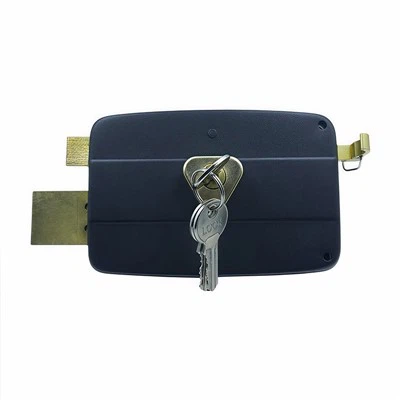
Yo, what's up everyone! As a supplier of push bar locks, I've always been fascinated by the story behind these essential door security devices. So, today, I'm gonna take you on a little journey through the history of push bar locks.
Let's start way back in the day. The concept of a mechanism to quickly exit a building in case of an emergency has been around for ages, but the modern push bar lock as we know it didn't pop up until the early 20th century. Back then, there were a bunch of serious issues with building safety. Factories, theaters, and other crowded places often had terrible tragedies because people couldn't get out fast enough during fires or other emergencies.
In 1908, a big fire broke out at the Iroquois Theatre in Chicago. It was a total disaster. The doors were either locked or hard to open, and more than 600 people died. This was a huge wake - up call for the whole country. People started to realize that something had to be done to make sure that exits in public buildings were easy to use, even in a panic.
That's when the first push bar lock, also known as a panic bar, was invented. The goal was simple: create a device that could be easily pushed to unlock the door and let people out quickly. The first models were pretty basic. They were made of sturdy metal and had a bar that, when pushed, would release the latch on the door. This simple yet effective design quickly caught on, especially in commercial buildings.
As time went on, technology improved, and so did push bar locks. In the mid - 20th century, manufacturers started to add more features. For example, they made the bars more durable and were able to withstand a lot of force. This was important because in an emergency, people would be pushing and shoving the doors to get out.
Another improvement was the addition of locking mechanisms from the inside. This allowed building owners to secure the doors during normal hours and still be able to have a quick - exit option in case of an emergency. You could lock the door with a key or a card reader, but when someone pushed the bar, the door would open right away.
In the 1970s and 1980s, there were also some big changes in the materials used to make push bar locks. Before, most were made of steel or iron, but then aluminum became a popular choice. Aluminum is lighter, which made the bars easier to install and operate. And it's also corrosion - resistant, so it could last longer, especially in areas with a humid climate.
Nowadays, push bar locks have become super high - tech. There are electronic push bar locks that can be integrated with a building's security system. You can track who goes in and out of the doors, and even set up different access levels for different people. Some models also have sensors that can detect if the door is being forced open, and they can send an alert to the security team.
But it's not just about high - tech stuff. The basic design of the push bar lock is still as important as ever. It has to be reliable, easy to use, and meet the strict safety standards. In fact, most countries have laws that require the use of push bar locks in certain types of buildings, like schools, hospitals, and shopping malls.
If you're in the market for a push bar lock, you should also know about some other related products. For example, we also offer Privacy Lock. It's great for those areas where you need a bit more privacy, like bedrooms or offices. And then there's the Wooden Door Lock. This one is specially designed for wooden doors, so it fits well and looks good too. And of course, our Push Door Lock is a great option if you're looking for a simple yet effective locking solution for push doors.


To sum it all up, the history of push bar locks is a story of innovation driven by the need for safety. From the simple designs of the early 20th century to the high - tech models of today, these locks have come a long way. Whether you're a building owner, a manager, or just someone who cares about safety, having a good push bar lock is essential.
So, if you're interested in our push bar locks or any of our other products, don't hesitate to reach out to us. We're here to help you find the best solution for your door security needs. Let's talk and see how we can work together to keep your building safe and secure!
References
- Jacobowitz, R. (2019). Building Fire Safety: History, Development, and Modern Practices. Routledge.
- National Fire Protection Association (NFPA). (Latest Edition). Life Safety Code.
- Johnson, A. (2005). The Evolution of Emergency Exit Hardware. Journal of Building Security.