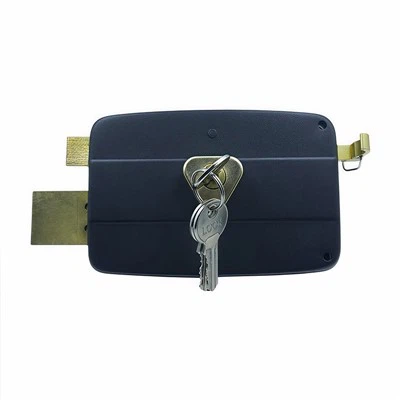
Electromagnetic interference (EMI) is a phenomenon that can significantly affect the performance of electronic devices. As a supplier of small cylinder locks, understanding the electromagnetic interference resistance of these locks is crucial for ensuring their reliability and security. In this blog, we will delve into what electromagnetic interference resistance means for electronic small cylinder locks, how it impacts their functionality, and why it matters in various applications.
What is Electromagnetic Interference?
Electromagnetic interference refers to the disruption that occurs when an electromagnetic field from one source affects another electronic device. This interference can come from a variety of sources, including power lines, radio frequency (RF) transmitters, and even natural phenomena like lightning. EMI can manifest in different forms, such as radio frequency interference (RFI), which affects radio signals, and electromagnetic compatibility (EMC) issues, which relate to the ability of electronic devices to operate in an electromagnetic environment without causing or suffering interference.
The Significance of EMI Resistance in Small Cylinder Locks
Electronic small cylinder locks are increasingly popular due to their convenience, enhanced security features, and integration capabilities with modern access control systems. However, these locks are also vulnerable to electromagnetic interference. If an electronic small cylinder lock is not resistant to EMI, it may malfunction, leading to issues such as unauthorized access, difficulty in locking or unlocking, and even complete system failure.
In high - security environments, such as government buildings, banks, and data centers, the consequences of an EMI - induced lock failure can be severe. A malfunctioning lock could compromise the safety of personnel and valuable assets. Additionally, in commercial and residential settings, a lock that fails due to EMI can cause inconvenience and potentially pose a security risk.
How EMI Affects Small Cylinder Locks
EMI can affect small cylinder locks in several ways. Firstly, it can disrupt the communication between the lock and its associated access control system. For example, if the lock uses a wireless communication protocol, such as Bluetooth or Wi - Fi, EMI can interfere with the signal, preventing the lock from receiving or sending commands correctly. This can result in the lock not unlocking when it should or locking unexpectedly.
Secondly, EMI can damage the internal electronic components of the lock. The sensitive microcontrollers, sensors, and circuits inside the lock are susceptible to voltage spikes and electromagnetic pulses caused by EMI. Over time, repeated exposure to EMI can degrade these components, reducing the lifespan of the lock and increasing the likelihood of failure.
Factors Affecting EMI Resistance in Small Cylinder Locks
Shielding
One of the most important factors in determining the EMI resistance of a small cylinder lock is the quality of its shielding. Shielding involves using materials that can block or absorb electromagnetic waves. Metal enclosures are commonly used to shield the internal components of the lock from external EMI sources. The thickness and conductivity of the shielding material play a crucial role in its effectiveness. A well - designed shield can significantly reduce the amount of EMI that reaches the sensitive electronic components inside the lock.
Circuit Design
The circuit design of the lock also affects its EMI resistance. Properly designed circuits can minimize the susceptibility of the lock to EMI. For example, using decoupling capacitors can help to filter out high - frequency noise, while grounding techniques can ensure that any unwanted electrical currents are safely diverted away from the sensitive components. Additionally, the layout of the circuit board can impact EMI resistance. Components should be arranged in a way that minimizes the length of signal traces and reduces the formation of antenna - like structures that can pick up EMI.
Component Selection
The choice of electronic components used in the lock is another important factor. High - quality components are generally more resistant to EMI. For example, using components with built - in EMI filters or low - noise characteristics can improve the overall EMI resistance of the lock. Additionally, components that are designed to operate in harsh electromagnetic environments are more likely to withstand EMI without malfunctioning.
Testing and Certification
To ensure that our small cylinder locks have adequate EMI resistance, we conduct rigorous testing. We use specialized equipment to simulate different types of electromagnetic interference, including RF interference and electrostatic discharge (ESD). By subjecting our locks to these tests, we can identify any potential weaknesses and make necessary improvements to the design.
In addition to in - house testing, our locks also undergo certification processes. Certifications such as the CE (Conformité Européene) mark indicate that the lock meets certain European standards for electromagnetic compatibility. These certifications provide assurance to our customers that our locks are reliable and resistant to EMI in real - world applications.
Applications and EMI Considerations
Commercial Buildings
In commercial buildings, small cylinder locks are often used in conjunction with access control systems. These buildings are typically filled with various electronic devices, such as computers, printers, and wireless access points, which can generate EMI. Therefore, it is essential that the locks used in these environments have high EMI resistance to ensure reliable operation. For example, in an office building, a lock that malfunctions due to EMI could disrupt the normal flow of business and cause security concerns.
Residential Buildings
In residential settings, while the level of EMI may be lower compared to commercial buildings, there are still potential sources of interference, such as household appliances and Wi - Fi routers. A lock with good EMI resistance can provide homeowners with peace of mind, knowing that their lock will function properly at all times. For example, a smart lock that fails to unlock due to EMI could leave the homeowner locked out of their house.
Industrial Environments
Industrial environments are particularly challenging when it comes to EMI. Heavy machinery, power generators, and radio transmitters can generate high levels of electromagnetic interference. Small cylinder locks used in industrial settings need to be extremely resistant to EMI to ensure the security of the premises. For example, in a manufacturing plant, a lock failure due to EMI could lead to unauthorized access to restricted areas and potentially compromise the safety of workers.
Our Product Range and EMI Resistance
As a supplier of small cylinder locks, we offer a wide range of products with varying levels of EMI resistance to meet the needs of different applications. Our locks are designed with the latest shielding technologies and high - quality components to ensure maximum protection against EMI.
We also provide different types of locks to suit various door types. For wooden doors, we recommend our Wooden Door Lock, which is specifically designed to fit wooden door frames and has excellent EMI resistance. For push doors, our Push Door Lock offers reliable performance even in the presence of EMI. And for universal applications, our Universal Door Lock is a versatile option that provides high - level EMI protection.
Conclusion
The electromagnetic interference resistance of electronic small cylinder locks is a critical aspect of their performance and reliability. Understanding the factors that affect EMI resistance, such as shielding, circuit design, and component selection, is essential for ensuring that these locks can operate effectively in various electromagnetic environments.
At our company, we are committed to providing high - quality small cylinder locks with excellent EMI resistance. Our products are thoroughly tested and certified to meet the highest standards of electromagnetic compatibility. Whether you are looking for a lock for a commercial building, a residential property, or an industrial environment, we have the right solution for you.


If you are interested in learning more about our small cylinder locks or would like to discuss your specific requirements, we encourage you to contact us for a procurement discussion. We look forward to working with you to provide the best locking solutions for your needs.
References
- Electromagnetic Compatibility Handbook, by Henry W. Ott
- Principles of Electromagnetic Interference (EMI) Shielding, IEEE Transactions on Electromagnetic Compatibility
- Testing and Certification of Electronic Locks for EMI Resistance, Journal of Security Technology