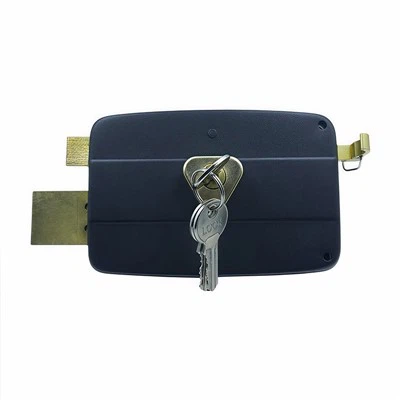
Hey there! As a supplier of small cylinder locks, I often get asked about the differences between small cylinder locks and regular locks. So, I thought I'd take a few minutes to break it down for you.
First off, let's talk about what a small cylinder lock is. A small cylinder lock, as the name suggests, has a smaller cylinder compared to regular locks. The cylinder is the part of the lock where you insert the key. It contains a series of pins that align when the correct key is inserted, allowing the lock to turn and open.
One of the most obvious differences between small cylinder locks and regular locks is their size. Small cylinder locks are, well, smaller. This makes them ideal for applications where space is limited. For example, they're commonly used on cabinets, drawers, and small storage units. Their compact size doesn't mean they're any less secure, though. Many small cylinder locks are designed with advanced security features to keep your belongings safe.
On the other hand, regular locks come in a variety of sizes and are typically used for larger applications. They're commonly found on doors, gates, and other entry points. Regular locks often have a larger cylinder, which can accommodate more pins and provide a higher level of security. However, this also means they take up more space and may not be suitable for smaller items.
Another difference lies in the installation process. Small cylinder locks are generally easier to install because of their size. They usually require less drilling and can be fitted into smaller holes. This makes them a great choice for DIY projects or for those who want to make quick and easy security upgrades. Regular locks, on the other hand, may require more complex installation procedures, especially if they're being installed on a heavy - duty door or gate.
When it comes to security, both small cylinder locks and regular locks have their pros and cons. Small cylinder locks can be very secure, especially if they're made from high - quality materials and have advanced locking mechanisms. Some small cylinder locks feature anti - pick and anti - bump technology, which makes them resistant to common lock - picking techniques. Regular locks, with their larger cylinders and more complex pin systems, also offer a high level of security. They're often used in commercial settings where a greater degree of protection is required.
Let's talk about the key systems. Small cylinder locks often use a variety of key types, including tubular keys and flat keys. Tubular keys are circular in shape and are known for their high level of security. Flat keys are more common and are easier to duplicate. Regular locks also use different key types, but they may have more complex keyways to prevent unauthorized duplication.
Now, let's look at some specific types of locks that fall into these categories. If you're interested in a small cylinder lock with a unique locking mechanism, you might want to check out the Quarter Turn Lock. It's a type of small cylinder lock that can be opened with a simple quarter - turn of the key. This makes it very convenient for quick access.
For those who need a self - locking feature, the Self Locking Door Lock is a great option. It automatically locks when the door is closed, providing an extra layer of security. And if you're looking for a lock for your shed, the Shed Door Locks are designed to withstand the elements and keep your shed safe.
In terms of cost, small cylinder locks are generally more affordable than regular locks. This is because they use less material and are often simpler in design. However, the price can vary depending on the brand, quality, and features of the lock. Regular locks, especially those with high - end security features, can be more expensive. But remember, when it comes to security, it's important to invest in a quality lock that will protect your property.


So, which one should you choose? Well, it really depends on your specific needs. If you're looking for a lock for a small cabinet or drawer, a small cylinder lock is probably the way to go. It's easy to install, affordable, and can provide adequate security. If you need a lock for a door or gate, a regular lock may be a better choice. It offers a higher level of security and is designed to withstand more wear and tear.
If you're still not sure which type of lock is right for you, or if you have any questions about our small cylinder locks, don't hesitate to reach out. We're here to help you make the best decision for your security needs. Whether you're a homeowner looking to upgrade your home security or a business owner in need of reliable locks, we've got the products and expertise to assist you.
In conclusion, small cylinder locks and regular locks have their own unique features and benefits. By understanding the differences between them, you can choose the lock that's best suited for your specific application. So, if you're in the market for a new lock, take the time to consider your options and make an informed decision. And if you're interested in our small cylinder locks, we'd love to have a chat with you about your requirements and see how we can help.
References
- Industry knowledge and experience as a small cylinder lock supplier.
- General research on lock types and security features.