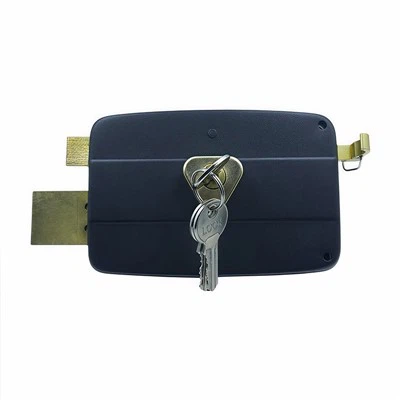
As a supplier of Shed Lock, ensuring the security of database connections is of utmost importance. In this blog post, I'll delve into the best practices for securing Shed Lock's database connections, covering various aspects from authentication to encryption and monitoring.
Authentication and Authorization
- Strong Passwords: First and foremost, using strong passwords for database accounts is non - negotiable. A strong password should be a combination of uppercase and lowercase letters, numbers, and special characters. Avoid using common words or phrases that can be easily guessed. For example, instead of using "password123", use something like "P@ssw0rd!Q2e". Regularly changing passwords is also a good practice to mitigate the risk of password compromise.
- Role - Based Access Control (RBAC): Implement RBAC to ensure that users have only the permissions they need to perform their tasks. For Shed Lock, different roles such as administrators, developers, and monitoring staff should have distinct access levels. Administrators may have full access to manage the database, while developers might only need read - write access to specific tables related to Shed Lock operations. Monitoring staff could have read - only access to relevant logs and performance metrics. This way, even if an account is compromised, the attacker's ability to cause damage is limited.
- Multi - Factor Authentication (MFA): MFA adds an extra layer of security to the authentication process. By requiring users to provide two or more forms of identification, such as a password and a one - time code sent to a mobile device, the risk of unauthorized access is significantly reduced. For database connections related to Shed Lock, enabling MFA for all accounts, especially those with high - level access, can prevent attackers from easily gaining entry.
Encryption
- Data at Rest Encryption: When data is stored in the database, it should be encrypted to protect it from unauthorized access in case of a physical breach. Most modern databases support data at rest encryption, which encrypts the data files on the storage device. For Shed Lock, this means that any information about the locks, such as user - specific settings or usage logs, is protected even if an attacker manages to access the storage media.
- Data in Transit Encryption: Encrypting data while it is being transferred between the application and the database is equally important. Using protocols like SSL/TLS ensures that the data is encrypted during transit, preventing eavesdropping and man - in - the - middle attacks. When setting up the database connection for Shed Lock, configure the application to use encrypted connections. This can usually be done by specifying the appropriate SSL/TLS parameters in the connection string.
Network Security
- Firewall Configuration: Set up a firewall to restrict access to the database server. Only allow incoming connections from trusted sources, such as the application servers that use Shed Lock. Configure the firewall rules to only permit the necessary ports for database communication. For example, if using MySQL, the default port is 3306. By blocking all other unnecessary ports, you reduce the attack surface of the database server.
- Isolation: Isolate the database server from other parts of the network. Use virtual private networks (VPNs) or network segmentation to create a separate network segment for the database. This way, even if an attacker manages to compromise another part of the network, they will have a harder time reaching the database server. For Shed Lock, this isolation helps protect the sensitive data stored in the database from potential threats originating from other parts of the network.
Monitoring and Auditing
- Regular Logging: Implement comprehensive logging for all database activities related to Shed Lock. Logs should include information such as connection attempts, queries executed, and any errors that occur. Regularly review these logs to detect any suspicious activities, such as repeated failed login attempts or unauthorized access to sensitive tables.
- Intrusion Detection and Prevention Systems (IDPS): Deploy an IDPS to monitor the network traffic between the application and the database. An IDPS can detect and block malicious activities in real - time, such as SQL injection attacks or brute - force password attempts. By analyzing the network traffic patterns, the IDPS can identify and prevent potential threats before they cause any damage to the Shed Lock database.
Database Hardening
- Patch Management: Keep the database software up - to - date with the latest security patches. Database vendors regularly release patches to fix security vulnerabilities, and failing to apply these patches can leave the database exposed to attacks. Set up a regular patch management schedule to ensure that the database used for Shed Lock is always running the most secure version.
- Disable Unnecessary Services and Features: Most database systems come with a variety of services and features that may not be necessary for the operation of Shed Lock. Disable any unused services, such as unnecessary database extensions or network protocols. This reduces the attack surface of the database and minimizes the risk of exploitation.
Third - Party Considerations
- Vendor Security: If using a third - party database service provider, thoroughly evaluate their security practices. Ensure that they follow industry - best practices for database security, including encryption, access control, and monitoring. Request security reports and certifications from the vendor to verify their security measures.
- Integrations: When integrating Shed Lock with other applications or services, ensure that the database connections between them are also secure. Review the security of the integration points and ensure that proper authentication and encryption mechanisms are in place.
In conclusion, securing Shed Lock's database connections requires a comprehensive approach that encompasses authentication, encryption, network security, monitoring, and database hardening. By following these best practices, you can protect the sensitive data related to Shed Lock and ensure the reliability and security of your locking systems.
If you're interested in our Shed Lock products and want to discuss the security of database connections in more detail, or if you're ready to make a purchase, we encourage you to reach out for a procurement negotiation. We're committed to providing you with high - quality Shed Locks and ensuring the security of your data.
Some related products you might be interested in are Quarter Turn Lock, Wooden Door Lock, and Round Door Lock.


References
- "Database Security: A Practical Guide to Secure Databases" by Peter Rob and Carlos Coronel
- NIST Special Publication 800 - 115: Technical Guide to Information Security Testing and Assessment
- OWASP Database Security Project