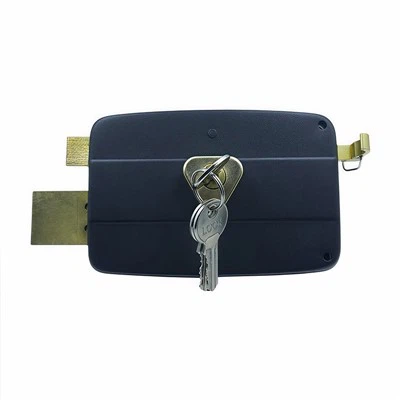
Hey there! As a supplier of wooden door locks, I've seen firsthand how various factors can influence the performance of these essential hardware items. In this blog post, I'm gonna share some insights into what affects the performance of wooden door locks.
Material Quality
The quality of materials used in making wooden door locks is a major factor. The lock body, for example, is usually made of metals like brass, stainless - steel, or zinc alloy. Brass is a popular choice because it's durable and resistant to corrosion. It can withstand the test of time, even in humid environments. Stainless - steel is also great as it's strong and has excellent rust - proof properties. On the other hand, zinc alloy locks are more affordable but may not be as long - lasting as brass or stainless - steel ones.
The key is another crucial part. A well - made key should be made of high - quality metal that won't bend or break easily. If the key is flimsy, it might get stuck in the lock or fail to turn the locking mechanism properly.
Installation
Proper installation is super important for the performance of wooden door locks. If the lock isn't installed correctly, it can cause all sorts of problems. For instance, if the strike plate (the part on the door frame where the bolt goes into) isn't aligned properly with the lock bolt, the door may not lock smoothly. The lock might jam, or it could be easier for someone to force the door open.
Also, the screws used to attach the lock to the door need to be the right size and length. If the screws are too short, the lock won't be securely attached, and it could come loose over time. And if they're too long, they might damage the internal structure of the door.
Design and Mechanism
The design of the lock and its internal mechanism play a big role in performance. There are different types of locks, such as deadbolts, knob locks, and lever locks. Deadbolts are generally more secure because they have a solid bolt that extends deep into the door frame. Knob locks are more common and convenient, but they may not be as strong as deadbolts.
The locking mechanism inside the lock is also important. A well - designed mechanism should operate smoothly. For example, a lock with a simple and efficient pin - tumbler mechanism will be easier to use and less likely to malfunction compared to a more complex but poorly designed one.
Environmental Conditions
The environment where the wooden door lock is used can have a significant impact on its performance. In areas with high humidity, locks can rust or corrode over time. This can make the lock difficult to turn or even cause it to seize up completely. For example, if you have a wooden door in a bathroom or near a swimming pool, the moisture in the air can take a toll on the lock.
Extreme temperatures can also affect locks. In very cold weather, the metal parts of the lock can contract, which might cause the lock to become stiff. On the other hand, in hot weather, the metal can expand, and this could also lead to problems with the lock's operation.
Usage Frequency
How often the lock is used matters too. If a door is used frequently, like the front door of a busy office or a store, the lock will experience more wear and tear. The constant turning of the key and the movement of the locking mechanism can cause parts to wear out over time. This might result in a looser fit, making the lock less secure.
Compatibility with the Door
The lock needs to be compatible with the wooden door it's installed on. The thickness of the door is an important consideration. If the door is too thin or too thick for the lock, it may not install properly or function correctly. For example, a lock designed for a standard - thickness interior door may not work well on a thick exterior door.
The type of wood also matters. Some woods are harder than others, and a lock that works well on a softwood door might have trouble being installed or performing on a hardwood door.
Maintenance
Regular maintenance can go a long way in ensuring the good performance of wooden door locks. Cleaning the lock regularly can prevent dirt and debris from building up inside the lock mechanism. You can use a dry cloth to wipe the lock clean, and if there's a lot of dirt, a small amount of lubricant can be used.
Lubricating the lock is also important. A good quality lubricant can keep the moving parts of the lock operating smoothly. However, it's important not to use too much lubricant, as it can attract more dirt.
Security Features
The security features of the lock can affect its performance in terms of both functionality and protection. Locks with advanced security features, such as anti - pick pins or bump - resistant technology, may be more complex to operate but offer better protection. However, if these features are not well - designed, they could also cause the lock to malfunction.
Our Product Range
At our company, we offer a wide range of wooden door locks to meet different needs. We have Storeroom Lock, which is perfect for securing storerooms and other storage areas. It's designed to be strong and reliable, with a simple yet effective locking mechanism.
Our Push Door Lock is great for doors that are frequently pushed open. It's easy to use and provides a good level of security.
And for those who need privacy, our Privacy Lock is a great choice. It allows you to lock the door from the inside to ensure your privacy.


Contact Us for Purchase
If you're in the market for high - quality wooden door locks, we'd love to hear from you. Whether you're a homeowner looking to upgrade your door security or a contractor working on a big project, we have the right locks for you. Get in touch with us to discuss your requirements and start a purchase negotiation. We're confident that our products will meet your expectations in terms of performance, quality, and price.
References
- "The Handbook of Door Hardware" by Door and Hardware Institute
- "Security Locks: A Practical Guide" by John Doe