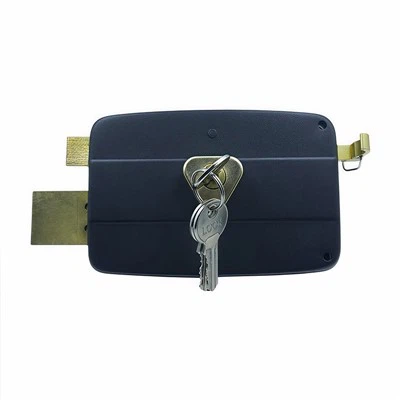
Push pad door locks have become increasingly popular due to their convenience and enhanced security features. As a push pad door locks supplier, I've had the opportunity to observe and understand the distinct differences between residential and commercial push pad door locks. In this blog, I'll delve into these differences to help you make an informed decision when choosing the right lock for your specific needs.
Design and Aesthetics
Residential push pad door locks often prioritize a blend of functionality and aesthetics. Homeowners typically look for locks that complement the overall style of their homes. These locks come in a wide range of finishes, such as brass, chrome, and nickel, to match different door designs and interior decors. For instance, a modern - style home might benefit from a sleek, minimalist push pad lock in a chrome finish, while a traditional home could pair well with a more ornate brass - finished lock.
On the other hand, commercial push pad door locks are more focused on a professional and durable appearance. They are usually designed to withstand heavy use and harsh environments. The finishes are often more utilitarian, with an emphasis on resistance to scratches, corrosion, and wear. Matte black or stainless - steel finishes are common choices for commercial settings as they not only look professional but also offer high durability.


Security Features
Security is a top concern for both residential and commercial properties, but the requirements can vary significantly.
In residential settings, push pad door locks are designed to protect the home and its occupants from unauthorized entry. Many residential locks come with basic security features such as anti - picking and anti - bumping mechanisms. Some advanced models also offer features like auto - locking, which automatically locks the door after a certain period of time, providing an extra layer of security. Additionally, residential locks may be integrated with home security systems, allowing homeowners to monitor and control access to their homes remotely.
Commercial push pad door locks, however, need to meet much higher security standards. They are often installed in high - traffic areas where there is a greater risk of forced entry. These locks typically have more robust locking mechanisms, such as multiple deadbolts or high - security cylinders. They may also be equipped with advanced access control systems, such as keyless entry with user - specific codes, card readers, or biometric scanners. For example, in a hotel, the Hotel Locks need to ensure the privacy and safety of guests, and therefore, they are designed with sophisticated access control features.
Durability and Usage
The level of usage and the environment in which the locks are installed play a crucial role in determining the durability requirements.
Residential push pad door locks are generally used less frequently compared to commercial locks. They are designed to withstand normal daily use, such as opening and closing the door a few times a day. The materials used in residential locks are selected to provide a good balance between cost and durability. For example, the lock body may be made of zinc alloy or steel, which can resist normal wear and tear.
Commercial push pad door locks, on the other hand, are subjected to heavy and continuous use. In a commercial building, the doors may be opened and closed hundreds of times a day. As a result, these locks need to be extremely durable. They are often made of high - quality materials such as stainless steel or hardened brass, which can withstand the rigors of frequent use. For example, in a warehouse or a shed, the Shed Lock needs to be able to endure harsh weather conditions and heavy - duty usage.
Installation and Compatibility
The installation process and compatibility requirements also differ between residential and commercial push pad door locks.
Residential locks are generally easier to install and are designed to be compatible with standard door sizes and types. Most homeowners can install these locks themselves with basic tools and some DIY skills. The installation instructions are usually straightforward, and the locks are designed to fit into pre - drilled holes in the door.
Commercial push pad door locks, however, may require professional installation. They need to be compatible with a variety of door types, including fire doors, glass doors, and heavy - duty metal doors. The installation process may involve more complex wiring and integration with access control systems. Professional installers are often required to ensure that the locks are installed correctly and meet all relevant safety and security standards.
Cost
Cost is an important factor for both residential and commercial customers.
Residential push pad door locks are generally more affordable compared to commercial locks. The lower cost is due to the simpler design, fewer advanced features, and lower durability requirements. Homeowners can find a wide range of residential locks at different price points, depending on the brand, features, and quality.
Commercial push pad door locks are more expensive because of their higher security features, greater durability, and advanced access control systems. The cost of installation and maintenance also adds to the overall expense. However, the investment in commercial locks is justified by the increased security and functionality they provide for the business.
Ease of Use
Both residential and commercial users value ease of use, but the user groups have different needs.
Residential push pad door locks are designed with simplicity in mind. Homeowners want a lock that is easy to operate, especially for family members of all ages. The keypad is usually large and easy to press, and the programming of new codes is straightforward.
Commercial push pad door locks need to be user - friendly for a large number of people, including employees, customers, and visitors. They often have more complex access control systems, but the interface is designed to be intuitive. For example, in a large office building, employees should be able to easily enter their access codes or swipe their cards to gain entry.
Maintenance Requirements
Maintenance is an important consideration for the long - term performance of push pad door locks.
Residential push pad door locks generally require less maintenance. Regular cleaning of the keypad and lubrication of the locking mechanism are usually sufficient to keep the lock in good working condition. Homeowners can perform these maintenance tasks themselves with basic tools.
Commercial push pad door locks, due to their heavy use and more complex features, require more frequent and professional maintenance. The access control systems need to be regularly updated and tested to ensure their proper functioning. The locks may also need to be inspected for signs of wear and tear, and any damaged parts should be replaced promptly.
In conclusion, while both residential and commercial push pad door locks serve the purpose of providing security and access control, there are significant differences in their design, security features, durability, installation, cost, ease of use, and maintenance requirements. As a push pad door locks supplier, I understand these differences and can help you choose the right lock for your specific needs. Whether you are looking for a lock for your home, such as House Locks, or for your commercial property, I can provide you with high - quality products and professional advice.
If you are interested in purchasing push pad door locks for your residential or commercial property, please feel free to contact me for more information and to discuss your specific requirements. I am committed to providing you with the best solutions to meet your security and access control needs.
References
- "Door Lock Security: A Comprehensive Guide." Locksmith Journal, 2022.
- "Commercial vs. Residential Security Systems." Security Today, 2023.
- "The Future of Push Pad Door Locks." Lock Technology Review, 2024.