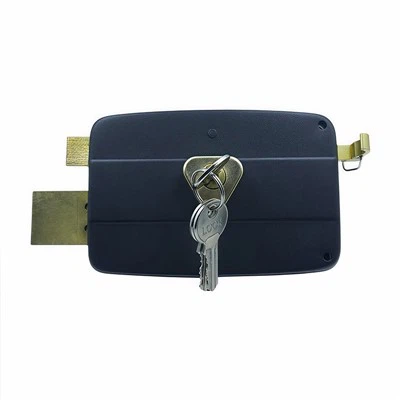
As a seasoned wooden door lock supplier, I understand the critical importance of ensuring the functionality of our products. A well - functioning wooden door lock not only provides security but also enhances the overall user experience. In this blog, I will share comprehensive methods on how to test the functionality of a wooden door lock.
1. Visual Inspection
Before conducting any mechanical or operational tests, a thorough visual inspection is essential. Start by examining the lock's exterior for any visible damage, such as cracks, scratches, or dents. These flaws can affect the lock's performance and durability. Check the finish of the lock. A high - quality finish should be smooth and even, without any signs of peeling or chipping. If the finish is compromised, it can lead to corrosion over time, especially in humid environments.
Inspect the keyhole carefully. It should be clean and free of debris. Any foreign objects in the keyhole can prevent the key from inserting properly or turning smoothly. Look at the alignment of the lock components. The latch and strike plate should be perfectly aligned. Misaligned components can cause the lock to jam or not engage correctly.
2. Key Operation Test
The key is the primary tool for operating a wooden door lock, so testing its functionality is crucial. Insert the key into the keyhole. It should slide in smoothly without any resistance. If there is difficulty inserting the key, it could indicate a problem with the keyhole, such as debris or a misaligned pin tumbler mechanism inside the lock.
Once the key is inserted, try turning it. The key should turn easily and smoothly. A stiff or sticky key turn may be a sign of worn - out internal components or improper lubrication. Listen for any unusual noises while turning the key. Grinding, clicking, or rattling sounds can suggest issues within the lock, such as loose parts or damaged pins.
Test the key in both the locking and unlocking directions. Some locks may have a different feel or level of resistance when locking compared to unlocking. Ensure that the key operates consistently in both directions. Try multiple keys if the lock comes with more than one. Each key should function in the same way, providing a reliable and consistent operation.
3. Latch and Bolt Operation
The latch and bolt are the main components that secure the door. To test the latch, close the door gently. The latch should engage smoothly with the strike plate. You should hear a distinct click when the latch locks into place. If the latch fails to engage or makes a weak or inconsistent click, it may need adjustment or replacement.
Test the bolt operation. Use the key or the lock's internal mechanism to extend and retract the bolt. The bolt should move in and out smoothly. Check the length of the bolt extension. It should extend far enough into the strike plate to provide adequate security. A short or inconsistent bolt extension can compromise the lock's ability to secure the door.
Try applying pressure to the door while the bolt is extended. The door should not budge or move easily. If the door can be forced open with minimal pressure, the bolt may not be engaging properly or may be too weak.
4. Locking and Unlocking from the Inside
Many wooden door locks have an internal locking mechanism for added security. Test this feature by using the internal lock, such as a thumb turn or a push - button lock. The internal lock should operate smoothly and lock the door securely.
Try unlocking the door from the inside after it has been locked. The unlocking process should be as easy and straightforward as the locking process. Check if the internal lock can be overridden with the key from the outside in case of an emergency. This is an important safety feature that should be tested regularly.
5. Durability and Resistance Tests
Wooden door locks are exposed to various environmental conditions, so it's important to test their durability and resistance. For example, you can perform a humidity test. Place the lock in a controlled environment with a high humidity level for a certain period. Afterward, check for any signs of corrosion or rust. A high - quality wooden door lock should be able to withstand humid conditions without significant damage.
Conduct a force test. Apply a reasonable amount of force to the locked door, simulating an attempted break - in. The lock should hold up and prevent the door from being forced open. However, be careful not to cause excessive damage during this test.
6. Compatibility Tests
If the wooden door lock is designed to work with specific types of doors or hardware, compatibility tests are necessary. Check if the lock fits properly on the wooden door. The mounting holes should align correctly, and the lock should be flush with the door surface.
Test the lock's compatibility with the strike plate. The strike plate should be the right size and shape to accommodate the latch and bolt. A mismatch between the lock and the strike plate can lead to improper locking and reduced security.
7. Push Lock, Self Locking Door, and Storeroom Lock Specific Tests
If you are dealing with Push Lock, the push mechanism should be tested. Push the lock to engage or disengage it. The push action should be smooth and require an appropriate amount of force. It should not be too easy to push, which could lead to accidental unlocking, nor should it be too difficult, making it inconvenient for users.
For Self Locking Door, test the self - locking feature. Close the door, and the lock should automatically engage without the need for additional action. Ensure that the self - locking mechanism is reliable and consistent.
When it comes to Storeroom Lock, since storerooms may require a higher level of security, pay extra attention to the strength and durability of the lock. Test the key operation, latch, and bolt as described above, but also consider additional security features such as a deadbolt or a reinforced strike plate.


Conclusion
Testing the functionality of a wooden door lock is a multi - step process that requires attention to detail. By conducting these tests, we can ensure that our wooden door locks meet the highest standards of quality and security. As a wooden door lock supplier, I am committed to providing products that are reliable and long - lasting.
If you are in the market for high - quality wooden door locks or have any questions about our testing procedures, I encourage you to contact us for a detailed discussion and potential procurement. We are always ready to assist you in finding the perfect lock solution for your needs.
References
- "Handbook of Locksmithing" by Samuel B. Hiscock.
- Industry standards and guidelines for door lock manufacturing and testing.