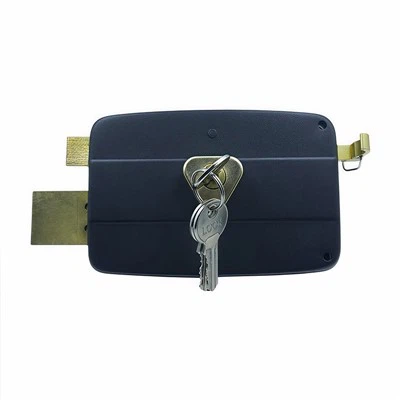
Hey there! As a supplier of round door locks, I've seen it all when it comes to testing the functionality of these nifty little devices. In this blog, I'll share some practical tips on how to test the functionality of a round door lock.
Why Testing is Crucial
Before we dive into the testing process, let's talk about why it's so important. A faulty door lock can compromise the security of your home or business. You wouldn't want an unauthorized person to easily gain access, right? Plus, a well - functioning lock gives you peace of mind. Whether it's an Outdoor Lock that has to withstand the elements or a Self Locking Door mechanism, proper testing ensures that your lock will do its job when you need it most.
Visual Inspection
The first step in testing a round door lock is a simple visual inspection. Take a good look at the lock. Check for any visible damage, like cracks, dents, or rust. Rust can be a big problem, especially for Outdoor Lock models. It can prevent the lock from working smoothly and may even cause it to jam.
Also, examine the keyhole. Make sure there are no foreign objects stuck inside. Sometimes, debris or small particles can get into the keyhole and disrupt the locking and unlocking process. If you see any dirt or debris, you can use a can of compressed air to blow it out.
Key Operation
The key is the most basic part of operating a round door lock. Insert the key into the keyhole. It should slide in smoothly without any excessive force. If you have to force the key in, there could be an issue with the lock's internal components.
Once the key is inserted, turn it gently. The lock should engage and disengage without any grinding or sticking noises. If you hear strange noises, it might indicate that the pins or tumblers inside the lock are worn out or misaligned.
Test both the locking and unlocking functions multiple times. Sometimes, a lock might work fine for a few tries but then start having problems. This could be a sign of a more serious issue that needs to be addressed.
Locking and Unlocking from the Inside
Most round door locks have a mechanism for locking and unlocking from the inside. If your lock has this feature, test it. Use the thumb turn or the internal locking mechanism to lock the door. You should feel a definite click or resistance when the lock engages.
Then, try to unlock it. The process should be just as smooth as locking. If you have trouble unlocking the door from the inside, it could be a safety hazard in case of an emergency.
Strike Plate Alignment
The strike plate is the part of the lock that the bolt fits into when the door is closed. Check if the strike plate is properly aligned with the bolt. If the strike plate is misaligned, the bolt may not fit into it correctly, and the door may not lock properly.
You can do this by closing the door and observing how the bolt interacts with the strike plate. If the bolt hits the strike plate at an angle or doesn't go in all the way, you may need to adjust the strike plate. Loosen the screws on the strike plate and move it slightly until the bolt fits perfectly.
Durability Testing
For Outdoor Lock and House Locks that are used frequently, durability is key. You can simulate some wear and tear by operating the lock a few extra times. Don't go overboard, but try locking and unlocking the door around 20 - 30 times in a row.
This can help you identify any potential issues that might arise after long - term use. If the lock starts to become more difficult to operate or shows signs of wear during this test, it may need to be replaced or serviced.
Security Testing
Security is at the heart of any door lock. To test the security of your round door lock, try applying some pressure to the door while it's locked. Push and pull on the door gently. A good lock should hold up against this pressure without giving way.
You can also try to jiggle the door a bit. If the lock is secure, the door should not move or unlock easily. If you notice any movement or if the lock seems to give under pressure, it may not be providing adequate security.
Testing with Different Keys
If you have multiple keys for the same lock, test each one. Sometimes, a key might be cut slightly differently, and it could affect the lock's operation. All keys should work smoothly and consistently.
If you find that one key works better than the others, it could mean that the other keys are not properly cut or that there is an issue with the lock's internal mechanism.
Final Checks
After you've completed all the tests, give the lock a final once - over. Check for any loose parts or screws. Tighten any screws that seem loose to ensure that the lock is securely attached to the door.


Also, make sure that the door closes and latches properly. A well - functioning lock is only part of the equation; the door needs to close correctly for the lock to work effectively.
Conclusion
Testing the functionality of a round door lock is an important task that can't be overlooked. By following these steps, you can ensure that your lock is working properly and providing the security you need.
If you're in the market for a new round door lock or need to replace an old one, we've got you covered. As a reliable round door lock supplier, we offer a wide range of high - quality products, including Outdoor Lock, Self Locking Door, and House Locks. If you have any questions or are interested in purchasing our products, feel free to reach out to us for a procurement discussion.
References
- "Door Lock Maintenance and Testing Guide" - General Locksmithing Handbook
- "Security Standards for Residential Door Locks" - National Security Institute