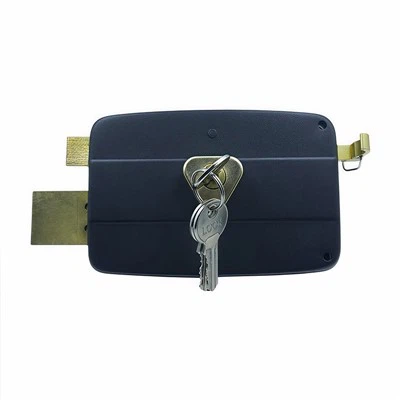
As a seasoned supplier of house locks, I've witnessed firsthand the detrimental effects of corrosion on these essential security features. Corrosion not only compromises the aesthetic appeal of locks but also significantly undermines their functionality, leading to potential security risks. In this blog, I'll share some practical tips on how to protect your house locks from corrosion, ensuring they remain in optimal condition for years to come.


Understanding the Causes of Corrosion
Before delving into prevention methods, it's crucial to understand what causes corrosion in the first place. Corrosion is a natural process that occurs when metals react with oxygen and moisture in the environment. In the case of house locks, exposure to rain, humidity, saltwater (especially in coastal areas), and harsh chemicals can accelerate this process. Additionally, scratches or damage to the lock's protective coating can expose the underlying metal, making it more susceptible to corrosion.
Choose High - Quality Locks
The first step in protecting your house locks from corrosion is to invest in high - quality products. At our company, we offer a wide range of locks made from corrosion - resistant materials such as stainless steel, brass, and zinc alloy. These materials are known for their durability and ability to withstand the elements. For example, stainless steel contains chromium, which forms a thin, protective oxide layer on the surface, preventing further oxidation.
When selecting a lock, consider the location where it will be installed. For exterior doors, choose a lock with a high IP (Ingress Protection) rating, which indicates its resistance to dust and water. Interior locks may not require the same level of protection but should still be made from quality materials to ensure long - term performance.
Apply a Protective Coating
Another effective way to prevent corrosion is to apply a protective coating to your locks. There are several types of coatings available, including paint, powder coating, and clear lacquer. These coatings act as a barrier between the metal and the environment, preventing oxygen and moisture from coming into contact with the lock.
When applying a coating, make sure the lock surface is clean and dry. Remove any dirt, grease, or old paint using a mild detergent and a soft brush. Once the lock is clean, apply the coating according to the manufacturer's instructions. For best results, choose a coating that is specifically designed for metal surfaces and offers UV protection to prevent fading and cracking.
Keep Locks Clean and Dry
Regular cleaning and maintenance are essential for preventing corrosion. Use a soft cloth or brush to remove dirt, dust, and debris from the lock. Avoid using abrasive cleaners or tools, as these can scratch the lock's surface and damage the protective coating.
After cleaning, dry the lock thoroughly to prevent moisture from accumulating. In areas with high humidity, consider using a dehumidifier to reduce the moisture level in the air. If the lock gets wet, dry it immediately with a clean, dry cloth. Additionally, make sure the door frame and surrounding area are properly sealed to prevent water from seeping in and reaching the lock.
Lubricate Locks Regularly
Lubrication is not only important for ensuring smooth operation but also for protecting locks from corrosion. A good lubricant creates a thin film on the lock's moving parts, preventing metal - to - metal contact and reducing friction. This film also helps to repel moisture and prevent rust.
Choose a lubricant that is specifically designed for locks, such as graphite powder or silicone spray. Avoid using oil - based lubricants, as these can attract dirt and debris, which can cause the lock to jam. Apply the lubricant to the keyhole and the moving parts of the lock according to the manufacturer's instructions.
Protect Locks from Harsh Environments
If your house is located in an area with harsh environmental conditions, such as near the ocean or in an industrial area, take extra precautions to protect your locks. Install a weatherproof cover or a lock box to shield the lock from direct exposure to rain, saltwater, and chemicals.
In coastal areas, the salt in the air can be particularly corrosive. Rinse the locks with fresh water regularly to remove salt deposits. In industrial areas, where pollutants and chemicals are present in the air, consider using a lock made from a highly corrosion - resistant material and apply a protective coating more frequently.
Inspect Locks Regularly
Regular inspections are crucial for detecting early signs of corrosion. Check the lock for any signs of rust, discoloration, or pitting. If you notice any damage, take immediate action to prevent further corrosion. This may involve cleaning the lock, applying a new protective coating, or replacing the lock if the damage is severe.
Recommended Products for Corrosion Protection
As a house locks supplier, I recommend our Self Locking Door Lock, Shed Door Locks, and Side Door Lock. These locks are made from high - quality, corrosion - resistant materials and are designed to provide long - lasting security.
Conclusion
Protecting your house locks from corrosion is essential for maintaining their functionality and appearance. By following these tips, you can ensure that your locks remain in optimal condition for years to come. Remember, prevention is always better than cure, so invest in high - quality locks, apply a protective coating, keep them clean and dry, lubricate regularly, and inspect them frequently.
If you're interested in purchasing high - quality house locks or have any questions about corrosion protection, please get in touch with us. We're here to help you find the best solutions for your security needs.
References
- "Corrosion of Metals: Principles, Prevention, and Control" by Pierre R. Roberge
- "Handbook of Corrosion Engineering" by Craig L. Olson