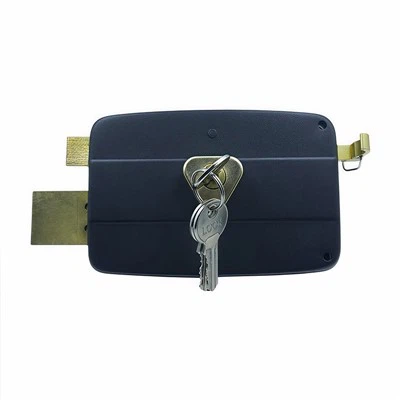
Maintaining shed door locks is crucial for ensuring the security and longevity of your shed. As a leading supplier of high - quality shed door locks, I understand the importance of proper lock maintenance. In this blog, I will share some practical tips on how to maintain shed door locks to keep them in optimal working condition.
Understanding the Types of Shed Door Locks
Before diving into maintenance, it's essential to know the different types of shed door locks available. We offer a variety of locks, including the Shed Lock, which is specifically designed for shed doors. These locks are usually made of durable materials such as stainless steel or brass to withstand outdoor elements.
Another type is the Hotel Locks, which, although often associated with hotels, can also be used in sheds for enhanced security. They typically come with advanced locking mechanisms and high - grade components.
The Universal Door Lock is a versatile option that can fit different types of shed doors. It offers a balance between security and ease of use.
Regular Cleaning
One of the most basic yet important maintenance steps is regular cleaning. Dirt, dust, and debris can accumulate in the lock mechanism over time, causing it to jam or malfunction. To clean the lock, start by using a soft brush to remove any loose dirt or debris from the keyhole and the surface of the lock.
Next, use a can of compressed air to blow out any remaining particles that may be stuck inside the lock. This is especially important for the internal components of the lock. If the lock is particularly dirty, you can use a mild soap and water solution to clean the exterior. Make sure to dry the lock thoroughly after cleaning to prevent rusting.


Lubrication
Proper lubrication is key to keeping your shed door lock working smoothly. Over time, the metal parts of the lock can rub against each other, causing friction and wear. A good lubricant can reduce this friction and extend the life of the lock.
When choosing a lubricant, it's important to use one that is specifically designed for locks. Avoid using oil - based lubricants as they can attract dirt and dust, which can lead to more problems in the long run. Instead, opt for a graphite - based lubricant or a silicone spray.
To lubricate the lock, insert the key into the keyhole and spray a small amount of the lubricant onto the key. Then, insert and remove the key several times to distribute the lubricant evenly throughout the lock mechanism. You can also apply a small amount of lubricant to the moving parts of the lock, such as the latch and the bolt.
Inspection for Wear and Tear
Regularly inspecting your shed door lock for signs of wear and tear is another important maintenance step. Look for any visible signs of damage, such as scratches, dents, or rust. If you notice any damage, it's important to address it as soon as possible.
Check the alignment of the lock and the strike plate. If the lock is not aligning properly with the strike plate, it can cause the lock to be difficult to operate. You may need to adjust the position of the strike plate or the lock itself to ensure proper alignment.
Inspect the key as well. A worn - out key can also cause problems with the lock. If the key is bent, damaged, or shows signs of excessive wear, it's a good idea to get a new key made.
Protection from the Elements
Since shed doors are often exposed to the elements, it's important to protect the lock from the weather. Extreme temperatures, humidity, and rain can all have a negative impact on the lock.
If possible, install a weather shield or a cover over the lock to protect it from direct exposure to rain and snow. This can help prevent rusting and corrosion.
During the winter months, it's a good idea to take extra precautions to protect the lock from freezing. You can use a lock de - icer to melt any ice that may have formed in the keyhole. Make sure to follow the instructions on the de - icer carefully.
Troubleshooting Common Problems
Even with proper maintenance, you may still encounter some common problems with your shed door lock. Here are some troubleshooting tips:
Lock is Jammed: If the lock is jammed and the key won't turn, try lubricating the lock again. If that doesn't work, there may be a foreign object stuck inside the lock. You can try using a thin wire or a paperclip to gently remove the object. If you're still unable to get the lock to work, it may be time to call a professional locksmith.
Key Won't Insert or Remove: This could be due to a misaligned keyhole or a damaged key. Check the alignment of the keyhole and make sure there are no obstructions. If the key is damaged, get a new key made.
Latch or Bolt Won't Retract or Extend: This may be caused by a problem with the internal mechanism of the lock. Try lubricating the latch and the bolt and see if that helps. If not, there may be a more serious issue with the lock that requires professional repair.
Importance of Quality Locks
Investing in a high - quality shed door lock is essential for long - term maintenance. Cheaper locks may be more prone to damage and may not last as long. As a supplier of shed door locks, we offer a wide range of high - quality locks that are designed to be durable and reliable.
Our locks are made from high - grade materials and are tested to meet strict quality standards. They are also designed to be easy to maintain, which can save you time and money in the long run.
Conclusion
Maintaining your shed door lock is an important part of ensuring the security and functionality of your shed. By following these simple maintenance tips, you can keep your lock in optimal working condition for years to come.
If you're in the market for a new shed door lock or have any questions about lock maintenance, we're here to help. Our team of experts can provide you with the best advice and solutions for your shed door lock needs. Contact us to start a discussion about your procurement requirements, and let's work together to find the perfect lock for your shed.
References
- "Lock Maintenance Handbook" by Locksmithing Professionals Association
- "The Ultimate Guide to Outdoor Lock Care" by Home Improvement Magazine