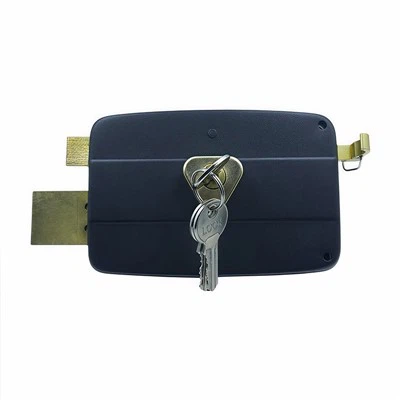
Hey there! As a supplier of round door locks, I often get asked about how to keep these locks in top - notch condition. One of the most important maintenance tasks is lubricating your round door lock. In this blog, I'm gonna walk you through the process step - by - step.
Why Lubricate a Round Door Lock?
Before we jump into the 'how - to', let's talk about 'why'. Over time, dirt, dust, and debris can find their way into the inner workings of your round door lock. This can cause the lock to become stiff, making it difficult to turn the key smoothly. It can even lead to more serious problems like key breakage or lock jamming.
Lubrication helps reduce friction between the moving parts of the lock. This not only makes it easier to use the key but also extends the lifespan of the lock. A well - lubricated lock is less likely to wear out quickly, saving you money in the long run.
What You'll Need
First things first, gather the necessary tools and materials. You don't need a whole bunch of fancy stuff. Here's what I recommend:
- Graphite Lubricant: This is the go - to lubricant for door locks. It's dry, so it won't attract dirt like oil - based lubricants. You can find graphite lubricant in a powder form, usually sold in a small tube with a narrow nozzle for easy application.
- Cotton Swabs: These are handy for cleaning around the keyhole and applying a bit of lubricant in hard - to - reach areas.
- Key: You'll need the key for the lock to test it after lubrication.
Step 1: Clean the Keyhole
Before you start lubricating, it's a good idea to clean the keyhole. Use a cotton swab to gently remove any visible dirt or debris from the keyhole. You can also insert the key into the lock a few times and then pull it out. This can dislodge some of the smaller particles that are stuck inside.
Be careful not to push the dirt further into the lock. If there's a lot of dirt, you might want to use compressed air to blow it out. Just make sure to hold the can upright and follow the instructions on the can.
Step 2: Apply the Graphite Lubricant
Once the keyhole is clean, it's time to apply the graphite lubricant. Hold the tube of graphite lubricant with the nozzle over the keyhole. Give the tube a gentle squeeze to release a small amount of the powder into the keyhole. You don't need a whole lot; just a light dusting is enough.
If you're using a key with ridges, you can also apply a bit of graphite to the key itself. This helps the lubricant spread evenly inside the lock when you insert the key.


Step 3: Work the Lubricant In
After applying the graphite, insert the key into the lock and turn it back and forth a few times. This helps distribute the lubricant throughout the internal components of the lock. You might notice that the key turns more smoothly with each turn.
If the lock is still a bit stiff, you can repeat the process of applying a small amount of graphite and working it in with the key. But don't overdo it; too much lubricant can actually attract more dirt.
Step 4: Clean Up
Once you're satisfied with how smoothly the key turns, use a clean cotton swab to wipe away any excess graphite from around the keyhole. This keeps the area looking clean and prevents the graphite from smudging onto your hands or clothing.
Special Considerations for Different Types of Round Door Locks
We offer a variety of round door locks, each with its own unique features. Let's take a look at some special considerations for different types:
Privacy Lock
Privacy locks are commonly used in bedrooms and bathrooms. These locks are designed to provide a certain level of privacy. If you have a [Privacy Lock](/door - lock/rim - lock/privacy - lock.html), you might want to pay extra attention to the locking mechanism. Sometimes, the button or turn - knob on the inside of the lock can get a bit sticky. You can use a small amount of graphite lubricant on these moving parts as well. Just make sure to clean them first to remove any dirt or grime.
Self Locking Door
Self - locking doors are great for security. They automatically lock when the door closes. With a [Self Locking Door](/door - lock/rim - lock/self - locking - door.html), the locking mechanism is more complex. When lubricating, focus on the latch and the strike plate. The latch needs to slide smoothly into the strike plate for the door to lock properly. Apply a bit of graphite to the edges of the latch and inside the strike plate, then test the door to make sure it locks and unlocks smoothly.
Hotel Locks
Hotel locks are high - security locks that often use electronic or card - based systems. Even though they're more advanced, they still need regular maintenance. For [Hotel Locks](/door - lock/rim - lock/hotel - locks.html), you should follow the manufacturer's instructions for lubrication. In most cases, you'll still want to keep the key slot or card reader clean and lubricated with graphite to ensure smooth operation.
How Often Should You Lubricate?
The frequency of lubrication depends on several factors, such as the environment and how often the lock is used. In a normal household environment, lubricating your round door lock once or twice a year should be sufficient. However, if the lock is exposed to a lot of dirt, dust, or moisture, you might need to lubricate it more often.
If you notice that the key is starting to turn less smoothly or if the lock feels stiff, it's a good sign that it's time for some lubrication.
Conclusion
Lubricating a round door lock is a simple yet important maintenance task. By following these steps, you can keep your lock working smoothly and extend its lifespan. Whether you have a privacy lock, a self - locking door, or a hotel lock, proper lubrication is key to ensuring optimal performance.
If you're in the market for high - quality round door locks or need more advice on lock maintenance, I'd love to hear from you. Reach out to us to start a conversation about your specific needs. We're here to help you find the perfect lock solutions for your home or business.
References
- "Home Maintenance Handbook": A comprehensive guide on various home maintenance tasks, including lock lubrication.
- Manufacturer's manuals for different types of round door locks.