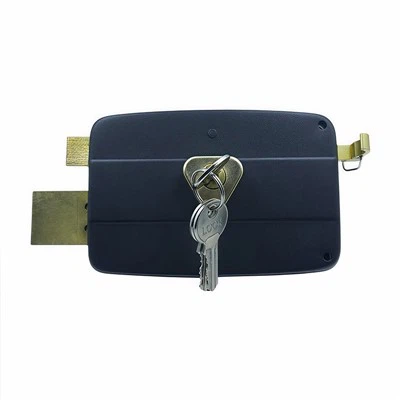
Hey there! As a push pad door locks supplier, I've been getting a bunch of queries lately about installing these locks in historic buildings without causing any damage. It's a tricky task, but with the right approach and some know - how, it can be done. So, let's dive right in and explore how we can make this happen.
First off, why are push pad door locks a great choice for historic buildings? Well, they offer a modern level of security while still maintaining a relatively unobtrusive appearance. Unlike some traditional locks that might require large, bulky hardware, push pad locks can be sleek and discreet. They also provide keyless entry, which is super convenient and can be programmed with multiple access codes, perfect for buildings with different users like museums, old hotels, or heritage homes.


Now, let's talk about the installation process. Before you even think about putting a drill to the door, you need to do a thorough assessment of the building and the door itself. Historic buildings often have unique architectural features, materials, and construction methods. The door might be made of rare wood, have intricate carvings, or be part of a larger historical facade. You don't want to mess that up!
Start by examining the door's structure. Is it solid wood, a hollow core, or something else? This will determine the type of push pad lock that's suitable. For solid wood doors, you have more options as they can handle the weight and stress of the lock better. Hollow core doors, on the other hand, might require a lighter - duty lock or a different installation method.
Next, take a close look at the door's finish. Is it painted, varnished, or has a natural wood grain? You want to make sure that any installation doesn't damage this finish. If possible, test any adhesive or mounting hardware on a small, inconspicuous area of the door first to see how it reacts.
When it comes to choosing the right push pad lock, consider the historical context of the building. You don't want a lock that looks completely out of place. Look for locks that have a design that complements the style of the building. For example, if it's a Victorian - era building, you might want a lock with some decorative elements or a classic finish like brass or bronze.
Now, let's get into the actual installation steps. The first thing you need to do is mark the location for the lock. Use a measuring tape and a level to ensure that the lock is straight and in the right position. Make sure to take into account any existing hardware or markings on the door.
If you're using a surface - mount push pad lock, you'll typically need to drill holes for the mounting screws. But here's the key: use a drill bit that's the right size for the screws. A too - large bit can cause the wood to splinter, while a too - small bit can strip the screw holes. It's also a good idea to use a drill with a variable speed setting to have more control.
When drilling, go slow and steady. Apply gentle pressure and let the drill do the work. If you feel any resistance or hear an unusual noise, stop immediately and check what's going on. You might be hitting a knot in the wood or some other obstruction.
Once the holes are drilled, insert the mounting screws and attach the lock to the door. Make sure it's firmly in place but don't overtighten the screws, as this can also damage the door.
If you're dealing with a historic door that cannot be drilled, there are alternative installation methods. Some push pad locks can be installed using strong adhesives. Just make sure to choose an adhesive that's suitable for the door material and won't damage the finish. Apply the adhesive according to the manufacturer's instructions and let it dry completely before attaching the lock.
Another option is to use a non - invasive mounting system. There are some locks that come with brackets or clamps that can be attached to the door without drilling. These can be a great solution for buildings where any permanent damage is a big no - no.
Now, let's talk about some specific types of doors and how to install push pad locks on them. For hotel doors, you can check out our Hotel Locks. These locks are designed to meet the high - security needs of hotels while still being easy to install. They often come with advanced features like electronic access control and can be integrated with the hotel's security system.
For shed doors, our Shed Lock is a great choice. Sheds might not have the same level of historical significance as some other buildings, but you still want to protect your belongings. These locks are durable and can withstand the elements.
Side doors are also common in historic buildings. Our Side Door Lock is designed to provide security and convenience for side entrances. They can be installed quickly and easily, and they come in a variety of styles to match the building's aesthetic.
After the installation is complete, it's important to test the lock. Make sure it's working properly and that the access codes are programming correctly. Check the locking mechanism to ensure that it engages and disengages smoothly.
If you run into any issues during the installation or testing process, don't hesitate to reach out. We're here to help! Our team of experts has years of experience in installing push pad door locks in all sorts of buildings, including historic ones.
In conclusion, installing push pad door locks in historic buildings without causing damage is definitely possible. It just takes a bit of planning, the right tools, and the right lock. By following these steps and choosing the appropriate lock for your door, you can enhance the security of your historic building while preserving its beauty and integrity.
If you're interested in purchasing push pad door locks for your historic building or have any questions about installation, we'd love to hear from you. Contact us to start a conversation about your specific needs and let's work together to find the perfect solution for your property.
References
- "Door Lock Installation Guide" - General industry guide on lock installation
- "Preserving Historic Buildings: Best Practices" - A resource on maintaining the integrity of historic structures during renovations and installations.