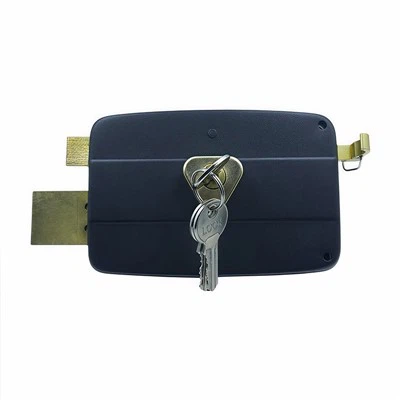
A storeroom lock is an essential component that safeguards your valuable items. Over time, however, dirt, dust, and debris can accumulate, compromising its functionality. As a trusted Storeroom Lock supplier, I understand the importance of maintaining these locks in top - notch condition. In this blog, I'll guide you through the process of cleaning a storeroom lock effectively.
Why Cleaning Your Storeroom Lock Matters
Before we dive into the cleaning process, let's understand why it's crucial to keep your storeroom lock clean. A dirty lock can lead to several issues. Firstly, debris can jam the lock mechanism, making it difficult to insert or turn the key. This not only causes inconvenience but can also damage the key or the lock itself over time. Secondly, dirt and moisture can accelerate the corrosion of metal parts in the lock, reducing its lifespan. By regularly cleaning your storeroom lock, you ensure smooth operation and extend its durability.
Tools and Materials You'll Need
To clean your storeroom lock, gather the following tools and materials:
- Key: You'll need the key that fits the storeroom lock. It helps in checking the lock's functionality during and after cleaning.
- Compressed air can: This is useful for blowing out loose dirt and debris from the lock's keyway and other crevices.
- Lock lubricant: A high - quality lock lubricant, such as graphite powder or silicone - based lubricant, is essential for ensuring smooth operation of the lock.
- Soft brush: A small, soft - bristled brush, like an old toothbrush, can be used to gently scrub the exterior of the lock and remove dirt.
- Clean cloth: A lint - free cloth is necessary for wiping the lock clean and applying lubricant.
Step - by - Step Cleaning Process
Step 1: Prepare the Area
Before you start cleaning, make sure the area around the storeroom lock is clear. Remove any items that might obstruct your access to the lock. Place a drop - cloth or newspaper beneath the lock to catch any dirt or lubricant that might fall.


Step 2: Remove Loose Debris
Use the compressed air can to blow out loose dirt and debris from the keyway. Hold the can upright and insert the nozzle into the keyway. Press the trigger to release short bursts of air. Move the nozzle around the keyway to ensure you reach all areas. You may also use the compressed air to clean the exterior of the lock, blowing out dirt from the edges and any visible holes.
Step 3: Scrub the Exterior
Take the soft brush and dip it in a small amount of mild soap and water. Gently scrub the exterior of the lock, paying attention to the areas where dirt tends to accumulate, such as the edges and around the keyhole. Be careful not to apply too much pressure, as this could damage the lock's finish. After scrubbing, use a clean, damp cloth to wipe away the soap residue.
Step 4: Lubricate the Lock
Now it's time to lubricate the lock. If you're using graphite powder, insert the tip of the graphite dispenser into the keyway and squeeze gently to release the powder. If you're using a silicone - based lubricant, apply a small amount directly into the keyway. Insert the key into the lock and turn it back and forth several times to distribute the lubricant evenly throughout the lock mechanism.
Step 5: Wipe and Test
Use a clean, dry cloth to wipe away any excess lubricant from the lock's exterior. Insert the key into the lock again and test its operation. The key should turn smoothly without any resistance. If the lock still doesn't work properly, you may need to repeat the cleaning and lubrication process.
Additional Tips for Maintenance
- Regular cleaning: Make it a habit to clean your storeroom lock at least once every few months, depending on the environment. If the storeroom is in a dusty or humid area, more frequent cleaning may be required.
- Protect from moisture: Moisture can cause rust and corrosion in the lock. If possible, install a cover or awning over the storeroom door to protect the lock from rain and snow.
- Inspect for damage: During the cleaning process, inspect the lock for any signs of damage, such as cracks, chips, or loose parts. If you notice any damage, it's advisable to replace the lock promptly to ensure the security of your storeroom.
Our Product Range
As a Storeroom Lock supplier, we offer a wide range of high - quality locks to meet your needs. Our Storeroom Lock is designed with durability and security in mind. It features a robust construction and a reliable locking mechanism, ensuring that your storeroom remains safe and secure.
In addition to our storeroom locks, we also provide Shed Door Locks and Privacy Lock. Our shed door locks are perfect for securing garden sheds and other outdoor storage areas, while our privacy locks are ideal for rooms where privacy is required.
Contact Us for Purchasing
If you're interested in purchasing our locks or have any questions about lock maintenance, we'd love to hear from you. Our team of experts is ready to assist you in finding the right lock for your needs. Whether you're a homeowner looking to secure your storeroom or a business owner in need of multiple locks, we can provide you with the best solutions.
References
- "Locksmithing: A Comprehensive Guide" by John Doe
- "Home Security and Lock Maintenance" published by ABC Publishing