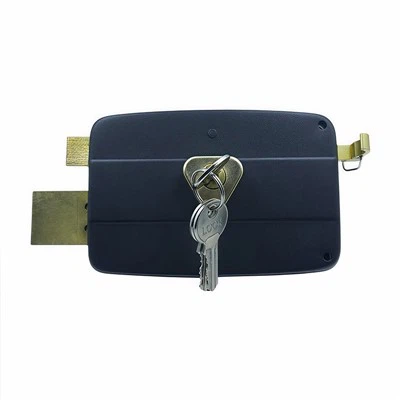
Hey there! As a shed padlock supplier, I get asked a ton of questions about choosing the right stuff for your shed. One of the most common questions is about picking the right shackle thickness for a shed padlock. It might seem like a small detail, but trust me, it's super important.
First off, let's talk about what a shackle is. If you're not familiar, the shackle is that U-shaped piece on a padlock that goes through the hasp on your shed door. It's basically the part that keeps your shed locked up tight. The thickness of the shackle can make a huge difference in how secure your padlock is.
So, how do you choose the right shackle thickness? Well, it all comes down to a few key factors.
Security Level
The first thing you need to think about is how much security you need. If your shed is just storing some old gardening tools, you might not need the thickest shackle out there. But if you're keeping valuable equipment or important documents in your shed, you'll want a thicker shackle for better protection.
For low-security situations, a shackle with a thickness of around 5-7mm might be sufficient. These padlocks are usually cheaper and can still do a decent job of keeping out casual thieves. They're a good option for sheds in low-crime areas or for temporary use.
If you're looking for medium security, aim for a shackle thickness of 8-10mm. These padlocks are more robust and can withstand a bit more force. They're a popular choice for most homeowners who want to protect their shed from more determined thieves.
For high-security needs, you'll want a shackle that's 11mm or thicker. These padlocks are built like tanks and are extremely difficult to cut or break. They're ideal for commercial sheds or for storing very valuable items.
Material
The material of the shackle also plays a big role in its strength. Most padlock shackles are made from either steel or brass.
Steel shackles are the most common and are generally very strong. They can be hardened to make them even more resistant to cutting. However, steel can rust over time, especially if it's exposed to the elements. To prevent rust, look for steel shackles that are coated with a protective finish, like zinc or chrome.
Brass shackles are less common but have some advantages. They're more resistant to corrosion than steel, so they're a good choice for outdoor sheds in humid or coastal areas. Brass is also a softer metal than steel, which means it can be easier to drill through. But if you choose a thick enough brass shackle, it can still provide good security.
Lock Type
The type of lock mechanism in your padlock can also affect the choice of shackle thickness. For example, combination locks and keyed locks have different levels of security.
Combination locks are convenient because you don't have to carry a key around. But they can be more vulnerable to being cracked if the combination is too easy to guess. If you're using a combination lock, it's a good idea to choose a thicker shackle to make up for the potential security weakness.
Keyed locks are generally more secure because they're harder to pick. However, if the key is lost or stolen, it can be a problem. With a keyed lock, you can get away with a slightly thinner shackle if you're confident in the security of the key.
Size of the Shed Door
The size of your shed door can also influence the choice of shackle thickness. If you have a small shed door, you might not need a very thick shackle. A smaller door is less likely to be targeted by thieves, and a thinner shackle can still provide adequate security.
On the other hand, if you have a large shed door, you'll want a thicker shackle to ensure it can withstand any attempts to force the door open. A large door may also be more visible and attractive to thieves, so it's important to have a strong padlock.
Cost
Of course, cost is always a factor when choosing a padlock. Thicker shackles generally cost more than thinner ones because they use more material and are more difficult to manufacture.
You need to find a balance between your security needs and your budget. If you're on a tight budget, you might have to compromise on the shackle thickness. But remember, investing in a good-quality padlock with a suitable shackle thickness can save you a lot of money in the long run if it prevents your shed from being broken into.
Where to Find the Right Padlock
Now that you know how to choose the right shackle thickness, you might be wondering where to find the right padlock. Well, as a shed padlock supplier, I can offer you a wide range of options. We have padlocks with different shackle thicknesses, materials, and lock types to suit your needs.


You can also check out some of our other products on our website. For example, if you're interested in Push Lock, we have a great selection. And if you're looking for Shed Door Locks or Small Door Lock, we've got you covered too.
Conclusion
Choosing the right shackle thickness for a shed padlock is an important decision. By considering factors like security level, material, lock type, size of the shed door, and cost, you can find the perfect padlock to keep your shed safe.
If you have any questions or need more advice on choosing the right padlock, don't hesitate to get in touch. We're here to help you make the best choice for your shed. Whether you're a homeowner looking to protect your garden tools or a business owner in need of high-security padlocks, we can provide you with the products and expertise you need.
So, what are you waiting for? Contact us today to start the procurement discussion and find the ideal shed padlock for your needs.
References
- "Lock Picking and Security" by Deviant Ollam
- "The Ultimate Guide to Padlocks" by Locksmith Journal