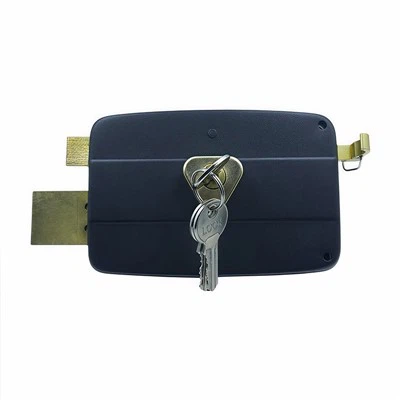
As a trusted Push Bar Lock supplier, I understand the importance of proper alignment for these essential security devices. A well - aligned push bar lock not only ensures smooth operation but also enhances the overall security of a building. In this blog, I'll guide you through the process of aligning a push bar lock correctly.
Understanding the Basics of Push Bar Locks
Before we delve into the alignment process, it's crucial to understand how push bar locks work. Push bar locks are commonly used on emergency exit doors. When a person presses the push bar, it retracts the latch, allowing the door to open. These locks are designed to be easy to operate in an emergency, but their effectiveness depends on proper installation and alignment.
There are different types of push bar locks available in the market, each with its own unique features. For instance, the Push Door Lock is a popular choice for commercial buildings due to its durability and ease of use. The Round Door Lock offers a more aesthetically pleasing option, while Hotel Locks are designed with specific security features for the hospitality industry.
Tools Required for Alignment
To align a push bar lock properly, you'll need a few essential tools. These include a screwdriver set, a level, a measuring tape, and a shim kit. The screwdriver set will be used to loosen and tighten the screws on the lock and the door frame. A level is necessary to ensure that the push bar is installed horizontally. The measuring tape will help you measure the distance between different components of the lock and the door frame. The shim kit is used to adjust the position of the lock and make minor corrections.
Step - by - Step Alignment Process
Step 1: Inspect the Door and Frame
The first step in aligning a push bar lock is to inspect the door and the frame. Check for any signs of damage, such as cracks or warping. A damaged door or frame can prevent the lock from aligning correctly. If you notice any significant damage, it's advisable to repair or replace the door or frame before proceeding with the alignment.


Step 2: Remove the Existing Lock (if applicable)
If you're replacing an old push bar lock or re - aligning an existing one, you'll need to remove the lock from the door. Use a screwdriver to remove the screws that hold the lock in place. Carefully lift the lock off the door and set it aside.
Step 3: Position the Push Bar
Place the push bar on the door at the desired height. The standard height for a push bar is between 34 and 48 inches from the floor. Use a measuring tape to ensure accurate placement. Once you've determined the correct position, mark the holes for the screws on the door using a pencil.
Step 4: Install the Push Bar
Insert the screws into the marked holes and use a screwdriver to tighten them. Make sure the push bar is firmly attached to the door. Use a level to check if the push bar is horizontal. If it's not, loosen the screws slightly and adjust the position of the push bar until it's level. Then, tighten the screws again.
Step 5: Align the Latch
The latch is the part of the lock that engages with the strike plate on the door frame. To align the latch, close the door and observe where the latch hits the strike plate. If the latch doesn't align properly with the strike plate, it may not engage fully, which can compromise the security of the door.
Use a measuring tape to measure the distance between the latch and the strike plate. If the latch is too high or too low, you can adjust it by loosening the screws on the latch and moving it up or down. If the latch is too far to the left or right, you can adjust the position of the strike plate on the door frame.
Step 6: Check the Operation
After aligning the latch, test the operation of the push bar lock. Press the push bar to retract the latch and open the door. Then, close the door and make sure the latch engages with the strike plate. Repeat this process several times to ensure smooth and consistent operation.
Step 7: Make Final Adjustments
If you notice any issues with the operation of the lock, such as difficulty in opening or closing the door, make further adjustments. You may need to use the shim kit to make minor corrections to the position of the lock or the strike plate.
Troubleshooting Common Alignment Issues
The Latch Won't Retract
If the latch won't retract when you press the push bar, it could be due to a misaligned latch or a problem with the internal mechanism of the lock. First, check the alignment of the latch and make sure it's not hitting the strike plate at an angle. If the alignment is correct, you may need to disassemble the lock and check for any debris or damage inside.
The Push Bar is Stiff
A stiff push bar can be caused by a misaligned push bar or a lack of lubrication. Check the alignment of the push bar and make sure it's installed horizontally. If the push bar is properly aligned, apply a small amount of lubricant to the moving parts of the lock, such as the hinges and the latch.
The Door Doesn't Close Properly
If the door doesn't close properly after aligning the push bar lock, it could be due to a misaligned strike plate or a problem with the door itself. Check the alignment of the strike plate and make sure it's centered with the latch. If the strike plate is aligned correctly, check the door for any signs of warping or damage.
Importance of Professional Installation
While it's possible to align a push bar lock on your own, professional installation is highly recommended. A professional installer has the experience and expertise to ensure that the lock is installed and aligned correctly. They can also identify and address any potential issues that may arise during the installation process. Professional installation can save you time and money in the long run by preventing costly mistakes and ensuring the optimal performance of the lock.
Conclusion
Proper alignment of a push bar lock is essential for its smooth operation and the security of a building. By following the steps outlined in this blog, you can align a push bar lock correctly. However, if you're unsure about any aspect of the alignment process, it's best to consult a professional.
As a Push Bar Lock supplier, I'm committed to providing high - quality locks and excellent customer service. If you're in the market for a new push bar lock or need assistance with alignment, I encourage you to contact me for more information. We can discuss your specific requirements and find the best solution for your needs. Whether you're a business owner, a property manager, or a contractor, I'm here to help you ensure the security of your building with a properly aligned push bar lock.
References
- Door Hardware Institute. "Installation Guidelines for Push Bar Locks."
- National Fire Protection Association. "Fire Safety Standards for Emergency Exit Doors."