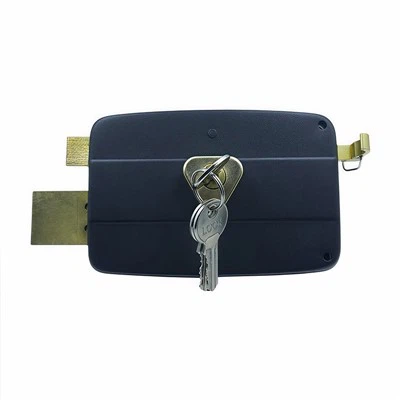
When it comes to safeguarding your shed and its contents, the security of shed door locks is of paramount importance. As a leading shed door locks supplier, I've witnessed firsthand the diverse needs and concerns of customers regarding shed security. In this blog, we'll delve into the intricacies of shed door lock security, exploring different types of locks, their vulnerabilities, and how to choose the most secure option for your shed.
Understanding the Importance of Shed Security
Sheds often house valuable tools, equipment, and personal belongings. A secure shed door lock acts as the first line of defense against unauthorized access, theft, and vandalism. Whether you use your shed for gardening, storage, or as a workshop, ensuring its security is crucial for peace of mind.
Types of Shed Door Locks
There are several types of shed door locks available in the market, each with its own features and security levels. Let's take a closer look at some common types:
Padlocks
Padlocks are one of the most popular choices for shed doors. They are versatile, easy to install, and come in a variety of sizes and security ratings. High-quality padlocks are made of hardened steel and feature advanced locking mechanisms, making them resistant to cutting, picking, and brute force attacks. However, padlocks can be vulnerable to bolt cutters if they are not properly secured or if they have a low security rating.
Deadbolts
Deadbolts provide a higher level of security compared to padlocks. They are installed directly into the door and frame, creating a strong barrier against forced entry. Deadbolts come in single and double cylinder varieties. Single cylinder deadbolts are operated with a key on the outside and a thumbturn on the inside, while double cylinder deadbolts require a key to operate from both sides. Double cylinder deadbolts offer increased security but can be a safety hazard in case of an emergency.
Rim Locks
Rim locks are surface-mounted locks that are installed on the edge of the door. They are easy to install and are available in a range of styles and security levels. Rim locks can be combined with a deadbolt for added security. Self Locking Door and Side Door Lock are examples of rim locks that offer enhanced security features.
Shed Locks
Specifically designed for sheds, shed locks are engineered to withstand the rigors of outdoor use. They are often made of durable materials such as stainless steel or brass and feature weather-resistant coatings to prevent rust and corrosion. Shed Lock is a high-quality shed lock that provides reliable security for your shed.


Factors Affecting Shed Door Lock Security
The security of a shed door lock is influenced by several factors, including:
Lock Quality
The quality of the lock is a crucial factor in determining its security. High-quality locks are made of strong materials and feature advanced locking mechanisms that are resistant to picking, bumping, and other forms of attack. Look for locks that are certified by independent testing organizations such as the American National Standards Institute (ANSI) or the European Norm (EN).
Installation
Proper installation is essential for ensuring the security of a shed door lock. A poorly installed lock can be easily bypassed or forced open. Make sure to follow the manufacturer's instructions carefully when installing the lock. If you're not confident in your installation skills, consider hiring a professional locksmith.
Door and Frame Strength
The strength of the door and frame also plays a role in the security of the shed. A weak door or frame can be easily breached, even if the lock is of high quality. Choose a door that is made of solid materials such as wood or metal and has a sturdy frame. Reinforce the door and frame with additional support if necessary.
Location
The location of the shed can also affect its security. A shed that is located in a secluded area or is not easily visible from the street is more likely to be targeted by thieves. Consider installing security lights or a surveillance camera to deter potential intruders.
How to Choose the Right Shed Door Lock
Choosing the right shed door lock depends on several factors, including your budget, the level of security you require, and the type of shed you have. Here are some tips to help you make an informed decision:
Assess Your Security Needs
Consider the value of the items stored in your shed and the level of risk in your area. If you have expensive tools or equipment, you may need a higher level of security. If your shed is located in a low-crime area, a basic lock may be sufficient.
Research Different Types of Locks
Learn about the different types of shed door locks available and their features. Compare the security ratings, durability, and price of different locks to find the one that best meets your needs.
Read Reviews
Read reviews from other customers to get an idea of the performance and reliability of different locks. Look for reviews that mention the lock's security features, ease of installation, and durability.
Consider Professional Installation
If you're not confident in your installation skills, consider hiring a professional locksmith to install the lock. A professional locksmith can ensure that the lock is installed correctly and that it provides the maximum level of security.
Maintaining Your Shed Door Lock
Proper maintenance is essential for ensuring the long-term security and performance of your shed door lock. Here are some tips to help you maintain your lock:
Keep the Lock Clean
Regularly clean the lock with a soft cloth and a mild cleaning solution to remove dirt, dust, and debris. This will prevent the lock from jamming and ensure smooth operation.
Lubricate the Lock
Apply a small amount of lubricant to the lock mechanism to prevent rust and corrosion. Use a lubricant that is specifically designed for locks, such as graphite powder or silicone spray.
Check for Damage
Regularly inspect the lock for signs of damage, such as cracks, scratches, or loose parts. If you notice any damage, replace the lock immediately to ensure the security of your shed.
Test the Lock Regularly
Test the lock regularly to make sure it is working properly. Insert the key and turn it to open and close the lock. If the lock is difficult to turn or if it doesn't work at all, have it repaired or replaced.
Conclusion
The security of shed door locks is a critical aspect of protecting your shed and its contents. By understanding the different types of locks available, the factors that affect their security, and how to choose the right lock for your needs, you can ensure that your shed is well-protected against unauthorized access. As a shed door locks supplier, we are committed to providing high-quality locks that offer reliable security and peace of mind. If you have any questions or need assistance in choosing the right lock for your shed, please don't hesitate to contact us. We'll be happy to help you find the perfect solution for your security needs.
References
- American National Standards Institute (ANSI)
- European Norm (EN)
- Various industry publications and research studies on shed security