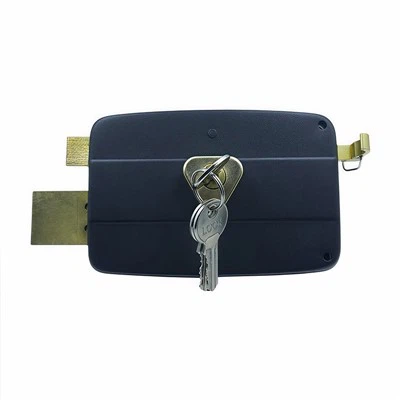
As a seasoned supplier of garden shed locks, I often receive inquiries from customers about the battery life of smart garden shed locks. It's a crucial question, as the longevity of the batteries directly impacts the convenience and reliability of these locks. In this blog, I'll delve into the factors that influence battery life and provide some practical tips to maximize it.


Understanding the Basics of Smart Garden Shed Locks
Smart garden shed locks are a modern solution that offers enhanced security and convenience. They typically use batteries to power the locking mechanism, allowing for keyless entry through various methods such as PIN codes, Bluetooth, or remote controls. These locks are designed to be durable and weather-resistant, making them suitable for outdoor use.
The battery life of a smart garden shed lock can vary significantly depending on several factors. Let's take a closer look at these factors and how they affect the overall performance of the lock.
Factors Affecting Battery Life
Lock Usage Frequency
One of the primary factors influencing battery life is how often the lock is used. Every time the lock is opened or closed, it consumes a small amount of energy. If the shed is frequently accessed, the batteries will drain more quickly. For example, if you have a garden shed that you use daily to store gardening tools, the batteries in the smart lock may need to be replaced more often compared to a shed that is only accessed a few times a month.
Lock Type and Features
Different types of smart garden shed locks have varying power requirements. Some locks may have additional features such as built-in alarms, motion sensors, or Wi-Fi connectivity, which can increase the energy consumption. For instance, a lock with a motion sensor that activates when someone approaches the shed will use more power than a basic lock without this feature.
When choosing a smart garden shed lock, it's essential to consider the features you need and how they will impact battery life. You can find a variety of options on our website, including Self Locking Door Lock, Push Door Lock, and Storeroom Lock. Each lock has its own set of features and power requirements, so you can select the one that best suits your needs.
Battery Quality and Type
The quality and type of batteries used in the smart garden shed lock also play a significant role in determining battery life. High-quality batteries generally have a longer lifespan and can provide more consistent power. It's recommended to use alkaline batteries, as they tend to last longer than other types. Additionally, rechargeable batteries can be a cost-effective and environmentally friendly option, but they may require more frequent charging.
When replacing the batteries in your smart lock, make sure to follow the manufacturer's recommendations regarding battery type and installation. Using the wrong type of batteries or installing them incorrectly can lead to reduced battery life or even damage to the lock.
Environmental Conditions
The environment in which the smart garden shed lock is installed can affect battery performance. Extreme temperatures, both hot and cold, can cause the batteries to drain more quickly. In cold weather, the chemical reactions inside the batteries slow down, reducing their capacity. On the other hand, high temperatures can cause the batteries to overheat and lose their charge faster.
To minimize the impact of environmental conditions on battery life, it's advisable to install the lock in a shaded area or use a protective cover. This can help regulate the temperature and protect the batteries from direct sunlight and extreme weather conditions.
Average Battery Life Expectancy
On average, the batteries in a smart garden shed lock can last anywhere from six months to two years, depending on the factors mentioned above. However, it's important to note that this is just an estimate, and the actual battery life may vary.
Some smart locks come with a battery indicator that alerts you when the batteries are running low. This feature can be very useful, as it allows you to replace the batteries before they completely die and leave you locked out of your shed.
Tips to Maximize Battery Life
Optimize Lock Usage
To extend the battery life of your smart garden shed lock, try to minimize unnecessary usage. For example, if you have multiple people accessing the shed, consider setting up a shared PIN code instead of each person having their own. This way, the lock will be used less frequently, reducing the energy consumption.
Update Lock Firmware
Manufacturers often release firmware updates for smart locks to improve performance and energy efficiency. Make sure to check for updates regularly and install them as soon as they become available. These updates can help optimize the lock's power management system and extend battery life.
Use Power-Saving Modes
Many smart garden shed locks offer power-saving modes that can significantly reduce energy consumption. These modes typically disable certain features or reduce the frequency of sensor updates when the lock is not in use. Check the lock's settings to see if it has a power-saving mode and enable it to maximize battery life.
Conclusion
The battery life of a smart garden shed lock depends on several factors, including lock usage frequency, lock type and features, battery quality and type, and environmental conditions. By understanding these factors and following the tips mentioned above, you can maximize the battery life of your smart lock and ensure reliable performance.
If you're in the market for a high-quality smart garden shed lock, we invite you to explore our range of products. We offer a variety of locks with different features and battery life expectancies to meet your specific needs. Whether you're looking for a simple and affordable lock or a more advanced model with all the bells and whistles, we have the perfect solution for you.
If you have any questions or would like to discuss your requirements further, please don't hesitate to contact us. We're here to help you find the best smart garden shed lock for your needs and provide you with the support you need to keep your shed secure.
References
- Manufacturer's documentation for smart garden shed locks
- Industry research on battery performance in outdoor devices