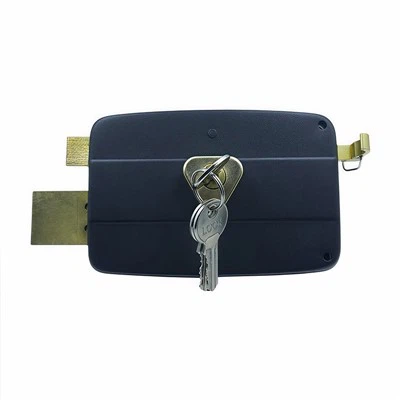
As a supplier of Push Locks, I understand the importance of storing keys safely. Push Locks are widely used in various settings, from residential homes to commercial buildings, and ensuring the security of their keys is crucial. In this blog post, I'll share some effective ways to store Push Lock keys safely, drawing on industry knowledge and best practices.
1. Use a High - Security Key Safe
One of the most reliable methods to store Push Lock keys is by using a high - security key safe. These safes come in different sizes and designs, offering varying levels of protection.
There are wall - mounted key safes that can be securely attached to a wall, making them difficult to remove. They usually have a combination lock or a digital keypad. For added security, choose a key safe made of strong materials like steel. When selecting a location for the wall - mounted key safe, pick a spot that is not easily visible or accessible to unauthorized individuals. For example, you can install it inside a closet or behind a piece of furniture.
Another option is a portable key safe. These are great if you need to take your keys with you on the go, such as when you're traveling or moving between different properties. Portable key safes often use advanced locking mechanisms, like biometric fingerprint scanners or encrypted digital locks. This ensures that only authorized people can access the keys.
2. Employ a Key Cabinet
Key cabinets are an excellent choice for businesses or large households with multiple Push Locks. They can store a large number of keys in an organized manner.
A key cabinet typically has individual compartments for each key, and it can be locked with a key, combination, or electronic access system. This not only keeps the keys safe but also makes it easy to find the right key when needed. For example, in a commercial building where different employees may need access to various areas, a key cabinet can be used to manage key distribution. Each employee can be assigned a specific key, and the cabinet can be used to track who has which key at any given time.
3. Consider a Hidden Key Compartment
For a more discreet way to store Push Lock keys, a hidden key compartment can be a great option. You can create a hidden compartment in a piece of furniture, like a bookshelf or a cabinet.
For instance, you can build a false back in a bookshelf. Behind the false back, you can place a small box to store the keys. This method is especially useful for residential settings where you want to keep the keys accessible but out of sight. However, make sure that the hidden compartment is well - constructed and not easily detectable.
4. Digital Key Storage Solutions
In the digital age, there are also digital key storage solutions available. Some Push Locks come with a digital key management system. You can store the digital keys on a secure server or a dedicated mobile app.
These digital keys can be encrypted to prevent unauthorized access. You can also set up access controls, such as time - based access or user - specific permissions. For example, you can give your cleaning staff access to the Push Lock during specific hours of the day, and the digital system will automatically revoke their access after that time.
5. Avoid Common Mistakes
When storing Push Lock keys, it's important to avoid some common mistakes. Firstly, never leave keys in obvious places like under the doormat or near the door handle. This is an open invitation for burglars.
Secondly, don't share keys with too many people without proper authorization. Each key should be accounted for, and only trusted individuals should have access to them.
Thirdly, don't use easily guessable combinations for key safes or cabinets. Choose a complex combination that is not related to obvious information like birthdays or phone numbers.
6. Integration with Other Security Systems
To enhance the overall security of key storage, consider integrating the key storage solution with other security systems. For example, you can connect a key safe or cabinet to a home or business alarm system.


If someone tries to force open the key storage device, the alarm can be triggered, alerting you or the security monitoring service. Additionally, you can use security cameras to monitor the area where the keys are stored. This provides an extra layer of protection and helps in identifying any unauthorized access attempts.
7. Special Considerations for Different Types of Push Locks
As a Push Lock supplier, I know that different types of Push Locks may require different key storage approaches.
- Outdoor Lock: Outdoor Push Locks are often exposed to the elements and potential vandalism. When storing the keys for Outdoor Lock, it's important to ensure that the key storage is weather - resistant. A waterproof key safe or a cabinet installed in a covered area can be a good choice.
- Quarter Turn Lock: Quarter Turn Lock keys may be smaller and more delicate. They can be easily lost if not stored properly. Consider using a key organizer with small compartments to keep these keys separate and protected.
- Wooden Door Lock: Wooden Door Lock keys may be used in a more aesthetically - oriented environment. You can choose a key storage solution that matches the style of the wooden door, such as a wooden key box or a decorative key hanger with a locking mechanism.
Conclusion
Storing Push Lock keys safely is an essential part of maintaining the security of your property. By using high - security key safes, key cabinets, hidden compartments, digital solutions, and avoiding common mistakes, you can ensure that your keys are well - protected. Additionally, considering the integration with other security systems and the specific requirements of different types of Push Locks can further enhance the security of key storage.
If you're interested in purchasing high - quality Push Locks or need more information on key storage solutions, feel free to contact us for a detailed discussion. We're here to help you find the best security solutions for your needs.
References
- "Security Best Practices for Key Management", Journal of Security Technology
- "Digital Key Storage and Management", International Journal of Information Security