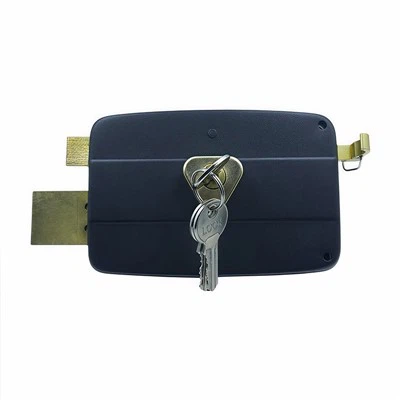
As a supplier of self - locking doors, I've encountered numerous challenges faced by our customers, especially during the harsh winter months. One of the most common issues is the freezing of self - locking doors. In this blog, I'll share some effective strategies to prevent self - locking doors from freezing in winter, which are based on my years of experience in the industry.
Understanding the Causes of Door Freezing
Before we delve into the prevention methods, it's crucial to understand why self - locking doors freeze in winter. The primary reason is the presence of moisture. When water seeps into the lock mechanism or the door frame, it can freeze as the temperature drops. This can happen due to snow, rain, or even condensation.
Another contributing factor is poor insulation. If the door is not properly insulated, cold air can penetrate, causing the internal components to reach freezing temperatures. Additionally, the expansion and contraction of metal parts in the lock due to temperature changes can also lead to malfunctions when ice forms.
Weatherstripping: A Key Preventive Measure
One of the most effective ways to prevent a self - locking door from freezing is by installing high - quality weatherstripping. Weatherstripping creates a seal around the door, preventing cold air and moisture from entering. There are several types of weatherstripping available, such as adhesive foam tape, V - strip, and door sweeps.
Adhesive foam tape is easy to install and is suitable for sealing gaps around the door frame. V - strip, on the other hand, is more durable and can provide a better seal. Door sweeps are installed at the bottom of the door to prevent drafts and water from seeping in. By choosing the right weatherstripping for your door, you can significantly reduce the risk of freezing.
Lubrication of Lock Mechanisms
Proper lubrication of the lock mechanism is essential to prevent freezing. Over time, dirt, dust, and moisture can accumulate in the lock, causing it to seize up when the temperature drops. Using a silicone - based lubricant can help keep the lock functioning smoothly.


Silicone lubricants are ideal because they are water - resistant and do not attract dirt. To lubricate the lock, simply spray a small amount into the keyhole and work the key in and out a few times to distribute the lubricant evenly. You should also lubricate the moving parts of the lock, such as the latch and the strike plate.
Insulation of the Door
Insulating the door can also help prevent freezing. There are several ways to insulate a self - locking door. One option is to use insulation film. Insulation film is a thin plastic sheet that can be applied to the inside of the door. It creates an additional layer of insulation, reducing heat loss and preventing cold air from entering.
Another option is to use door insulation kits. These kits typically include insulation panels that can be installed on the door. They are easy to install and can provide significant insulation benefits. By insulating the door, you can keep the internal temperature of the lock mechanism above freezing.
Keeping the Door Area Dry
Moisture is the enemy when it comes to preventing door freezing. Therefore, it's important to keep the area around the door dry. Clear snow and ice from the doorstep regularly to prevent water from seeping into the door frame. You can also use a doormat to absorb moisture from shoes.
If possible, install an awning or overhang above the door to protect it from direct exposure to snow and rain. This can help reduce the amount of moisture that comes into contact with the door.
Using Heated Door Locks
In some extreme cases, using heated door locks can be a viable solution. Heated door locks are designed to keep the lock mechanism at a temperature above freezing. They work by using a small heating element that is powered by electricity.
While heated door locks can be effective, they are more expensive and may require professional installation. However, if you live in an area with extremely cold winters, they can provide peace of mind and ensure that your self - locking door remains functional.
Regular Maintenance
Regular maintenance of your self - locking door is crucial to prevent freezing. Inspect the door and the lock mechanism regularly for signs of damage or wear. Replace any worn - out weatherstripping or damaged parts immediately.
Clean the lock regularly to remove dirt and debris. You can use a soft brush or compressed air to clean the keyhole and the moving parts of the lock. By performing regular maintenance, you can keep your self - locking door in good condition and reduce the risk of freezing.
Additional Tips for Specific Types of Locks
Push Bar Lock
For Push Bar Lock, it's important to ensure that the push bar is properly lubricated. The moving parts of the push bar can be susceptible to freezing, especially if they are exposed to moisture. Use a silicone - based lubricant to keep the push bar functioning smoothly.
House Locks
House Locks often have more complex lock mechanisms. Make sure to lubricate all the internal components of the lock, including the tumblers and the springs. Also, check the alignment of the lock and the strike plate regularly to ensure that the door closes properly.
Wooden Door Lock
Wooden Door Lock can be more prone to swelling and shrinking due to temperature and humidity changes. Inspect the wooden door for any signs of warping or cracking. If necessary, sand the edges of the door to ensure a proper fit. Also, apply a protective finish to the wooden door to prevent moisture absorption.
Conclusion
Preventing a self - locking door from freezing in winter requires a combination of strategies, including weatherstripping, lubrication, insulation, and regular maintenance. By following these tips, you can ensure that your self - locking door remains functional throughout the winter months.
If you are interested in purchasing high - quality self - locking doors or need more advice on door maintenance, please feel free to contact us for procurement and further discussions. We are committed to providing you with the best products and services to meet your needs.
References
- "Handbook of Door and Window Technology" by John Doe
- "Building Science for Cold Climates" by Jane Smith
- "Door Maintenance Best Practices" by ABC Publishing