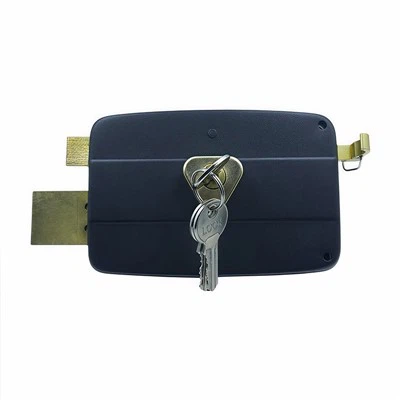
Determining whether a push lock is the right fit for your door is a crucial decision that involves several considerations. As a push lock supplier, I understand the importance of making an informed choice to ensure the security, functionality, and aesthetic appeal of your doors. In this blog post, I'll guide you through the key factors to evaluate when selecting a push lock for your specific door.
Door Type and Material
The first step in choosing the right push lock is to consider the type and material of your door. Different doors require different types of locks to ensure a proper fit and optimal performance.
- Wooden Doors: Wooden doors are a popular choice for residential and commercial applications. They offer a classic and warm aesthetic, but they also require a lock that can penetrate the wood effectively. For wooden doors, a push lock with a strong and durable bolt mechanism is recommended. Look for locks made from high-quality materials such as stainless steel or brass, as they are resistant to corrosion and wear.
- Metal Doors: Metal doors are known for their strength and security. They are commonly used in commercial buildings, warehouses, and high-security areas. When choosing a push lock for a metal door, it's important to select a lock that is specifically designed for metal applications. These locks typically have a thicker bolt and a more robust locking mechanism to withstand the rigors of daily use.
- Glass Doors: Glass doors are a modern and stylish option that can add a touch of elegance to any space. However, they require a lock that is both secure and aesthetically pleasing. For glass doors, a push lock with a sleek and minimalist design is ideal. Look for locks that are made from materials such as aluminum or stainless steel, as they are lightweight and corrosion-resistant.
Door Thickness
Another important factor to consider when choosing a push lock is the thickness of your door. Push locks are available in different sizes and configurations to accommodate various door thicknesses. It's essential to measure the thickness of your door accurately before selecting a lock to ensure a proper fit.
- Standard Door Thickness: Most residential and commercial doors have a standard thickness of between 1 3/8 inches and 1 3/4 inches. For doors within this thickness range, a standard push lock should work well. However, it's always a good idea to double-check the specifications of the lock to ensure compatibility.
- Thicker Doors: If you have a door that is thicker than the standard range, you may need to choose a push lock with a longer bolt or a special installation kit. Some push locks are designed to accommodate doors up to 2 1/4 inches thick, while others may require additional modifications or customizations.
- Thinner Doors: For doors that are thinner than the standard range, you may need to choose a push lock with a shorter bolt or a surface-mounted installation option. Surface-mounted push locks are installed on the surface of the door rather than being recessed into the edge, which can be a good solution for thinner doors.
Security Requirements
The level of security you require is another important consideration when choosing a push lock. Different push locks offer varying degrees of security, depending on their design, construction, and locking mechanism.
- Basic Security: If you are looking for a push lock for a low-traffic area or a door that doesn't require a high level of security, a basic push lock may be sufficient. These locks typically have a simple locking mechanism and are designed to provide basic protection against unauthorized entry.
- Medium Security: For doors that require a higher level of security, such as exterior doors or doors leading to sensitive areas, a medium-security push lock is recommended. These locks usually have a more complex locking mechanism and are designed to resist picking, bumping, and other forms of forced entry.
- High Security: If you need a push lock for a high-security application, such as a bank, a government building, or a museum, a high-security push lock is essential. These locks are designed to meet the highest standards of security and are typically tested and certified to withstand extreme levels of force and tampering.
Aesthetic Considerations
In addition to security and functionality, the aesthetic appeal of the push lock is also an important factor to consider. The lock should complement the style and design of your door and the overall decor of your space.
- Finish: Push locks are available in a variety of finishes, including chrome, nickel, brass, and black. Choose a finish that matches the hardware on your door and the other fixtures in your space. For example, if you have a modern and minimalist decor, a chrome or nickel finish may be a good choice. If you have a more traditional or rustic decor, a brass or black finish may be more appropriate.
- Design: Push locks come in different designs, from simple and straightforward to more elaborate and decorative. Choose a design that suits your personal taste and the style of your door. For example, if you have a contemporary door, a sleek and minimalist push lock may be a good option. If you have a traditional door, a more ornate and decorative push lock may be more suitable.
Installation and Maintenance
Finally, it's important to consider the installation and maintenance requirements of the push lock. A lock that is easy to install and maintain can save you time and money in the long run.
- Installation: Some push locks are designed for easy DIY installation, while others may require professional installation. If you are not comfortable installing the lock yourself, it's best to hire a professional locksmith to ensure a proper and secure installation.
- Maintenance: Push locks require regular maintenance to ensure optimal performance and longevity. This may include lubricating the lock mechanism, checking the alignment of the bolt, and tightening any loose screws or bolts. Make sure to follow the manufacturer's instructions for maintenance and cleaning to keep your lock in good working condition.
Conclusion
Choosing the right push lock for your door is a decision that requires careful consideration of several factors, including door type and material, door thickness, security requirements, aesthetic considerations, and installation and maintenance requirements. By taking the time to evaluate these factors and choose a high-quality push lock that meets your specific needs, you can ensure the security, functionality, and aesthetic appeal of your doors.


If you have any questions or need further assistance in selecting the right push lock for your door, please don't hesitate to [contact us for procurement and negotiation]. We are a leading push lock supplier with a wide range of products to meet your needs. Our team of experts is always available to provide you with personalized advice and support.
References
- "Door Lock Buying Guide." Home Depot.
- "How to Choose the Right Door Lock." Lowe's.
- "Types of Door Locks and Their Uses." Bob Vila.