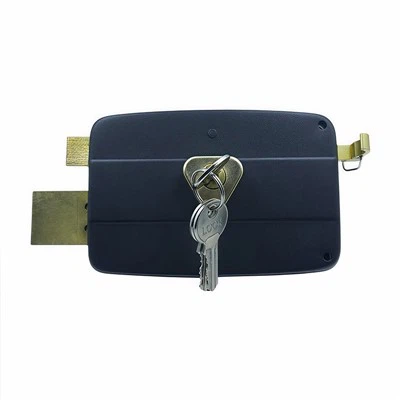
Choosing the right rim lock for a fire door is a critical decision that involves a careful balance of safety, security, and compliance with relevant regulations. As a rim lock supplier, I understand the complexities and challenges that come with this choice. In this blog post, I will share some key considerations to help you make an informed decision when selecting a rim lock for your fire door.
Understanding the Importance of Fire Door Rim Locks
Fire doors are designed to prevent the spread of fire and smoke in a building, providing crucial protection for occupants and property. A properly installed and functioning rim lock is an essential component of a fire door system. It ensures that the door remains securely closed during a fire, preventing the passage of flames and smoke. Additionally, the lock must be able to withstand the high temperatures and pressures associated with a fire, maintaining its integrity and functionality.
Regulatory Requirements
Before selecting a rim lock for a fire door, it is essential to familiarize yourself with the relevant regulatory requirements. In many countries, fire doors and their associated hardware, including rim locks, must meet specific standards and certifications. For example, in the United States, fire doors are typically required to comply with the standards set by the National Fire Protection Association (NFPA), such as NFPA 80. These standards specify the performance requirements for fire doors, including the type of locks that can be used.
In addition to national standards, local building codes may also have specific requirements for fire door locks. It is important to consult with your local building department or a qualified fire protection engineer to ensure that the rim lock you choose meets all applicable regulations.
Types of Rim Locks for Fire Doors
There are several types of rim locks available for fire doors, each with its own features and benefits. Some of the most common types include:
- Push Bar Lock: A Push Bar Lock is a popular choice for fire doors, especially in commercial and public buildings. It is designed to be easily operated from the inside by pushing on the bar, allowing for quick and easy egress in an emergency. Push bar locks are typically equipped with a panic device, which releases the lock when pressure is applied to the bar. This ensures that the door can be opened quickly and safely, even by people who are in a panic.
- Shed Lock: A Shed Lock is a simple and cost-effective option for fire doors in less critical applications, such as storage sheds or utility rooms. It is typically a single-point lock that is installed on the surface of the door. Shed locks are not as secure as other types of locks, but they can provide basic protection against unauthorized entry.
- Quarter Turn Lock: A Quarter Turn Lock is a type of lock that is operated by turning a knob or lever a quarter turn. It is commonly used on fire doors in residential and light commercial buildings. Quarter turn locks are relatively easy to install and operate, but they may not provide the same level of security as other types of locks.
Considerations When Choosing a Rim Lock
When choosing a rim lock for a fire door, there are several factors to consider, including:
- Security Level: The security level of the lock is an important consideration, especially in areas where there is a high risk of unauthorized entry. Push bar locks and other panic devices are typically designed to provide a high level of security, while shed locks and quarter turn locks may offer a lower level of protection.
- Ease of Use: The lock should be easy to operate, especially in an emergency. Push bar locks are designed to be easily operated by pushing on the bar, making them a popular choice for fire doors. Other types of locks, such as quarter turn locks, may require more manual dexterity to operate.
- Fire Rating: The rim lock must have a fire rating that is compatible with the fire rating of the door. This ensures that the lock will maintain its integrity and functionality during a fire, providing the necessary protection.
- Durability: The lock should be made of high-quality materials that are resistant to wear and tear. It should also be able to withstand the high temperatures and pressures associated with a fire.
- Compatibility: The rim lock must be compatible with the type of door and frame that it will be installed on. It is important to ensure that the lock is the correct size and configuration for the door, and that it can be easily installed using the existing hardware.
Installation and Maintenance
Proper installation and maintenance of the rim lock are essential to ensure its performance and reliability. It is recommended that the lock be installed by a qualified locksmith or fire protection professional who has experience working with fire doors. The installer should follow the manufacturer's instructions carefully and ensure that the lock is installed correctly.
In addition to proper installation, regular maintenance of the rim lock is also important. This includes lubricating the lock mechanism, checking the alignment of the lock, and inspecting the lock for any signs of damage or wear. It is recommended that the lock be inspected and maintained at least once a year to ensure its continued performance.


Conclusion
Choosing the right rim lock for a fire door is a critical decision that requires careful consideration of several factors. As a rim lock supplier, I am committed to providing high-quality products that meet the needs of our customers. By understanding the importance of fire door rim locks, the regulatory requirements, and the different types of locks available, you can make an informed decision when selecting a rim lock for your fire door.
If you have any questions or need further assistance in choosing a rim lock for your fire door, please do not hesitate to contact us. We are here to help you find the right solution for your needs and ensure the safety and security of your building.
References
- National Fire Protection Association (NFPA). (2020). NFPA 80: Standard for Fire Doors and Other Opening Protectives.
- International Building Code (IBC). (2021). International Code Council.