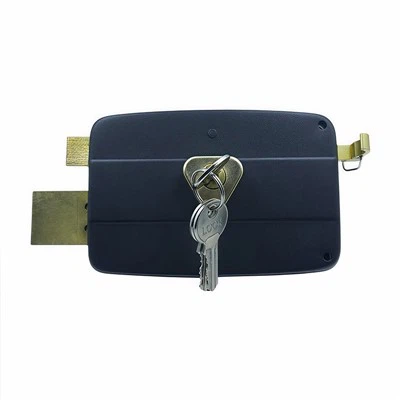
As a trusted supplier of wooden door locks, I often receive inquiries from customers about the care and maintenance of these locks, especially during the winter months. Winter brings with it a unique set of challenges for wooden door locks, and understanding how to properly care for them is crucial to ensure their longevity and optimal performance. In this blog post, I'll delve into whether wooden door locks require any special care in winter and provide you with practical tips to keep your locks in top shape.
The Impact of Winter on Wooden Door Locks
Winter weather can have a significant impact on wooden door locks due to the cold temperatures, humidity fluctuations, and potential exposure to snow and ice. These environmental factors can lead to several issues that may affect the functionality and durability of your locks.
Temperature Fluctuations
Cold temperatures can cause the metal components of wooden door locks to contract. This contraction can sometimes lead to a tighter fit within the lock mechanism, making it more difficult to turn the key smoothly. In extreme cases, the metal may contract so much that the lock becomes jammed, leaving you unable to open or close your door.
Humidity Changes
Humidity levels tend to be lower in winter, which can cause the wood around the lock to dry out and shrink. This can result in gaps between the lock and the door, compromising the security of your entryway. Additionally, if there is a sudden increase in humidity, such as when snow melts near the door, the wood may absorb moisture and swell. This swelling can put pressure on the lock, making it difficult to operate and potentially causing damage to the lock mechanism.
Snow and Ice
Snow and ice can accumulate around the lock, preventing the key from being inserted or turned. If water seeps into the lock and then freezes, it can cause the internal components to freeze as well, rendering the lock inoperable. Furthermore, the weight of snow on the door can put additional stress on the lock, increasing the risk of damage.
Special Care Tips for Wooden Door Locks in Winter
Given the potential challenges posed by winter weather, it's important to take some extra steps to care for your wooden door locks during this season. Here are some practical tips to help you keep your locks functioning properly:


Keep the Lock Clean
Regularly clean the lock to remove any dirt, debris, or moisture that may have accumulated. Use a soft, dry cloth to wipe down the exterior of the lock, and be sure to clean around the keyhole to prevent any blockages. If the lock is particularly dirty, you can use a mild soap and water solution to gently clean it, but be sure to dry it thoroughly afterward to prevent rusting.
Lubricate the Lock
Lubricating the lock is essential to ensure smooth operation, especially in cold weather. Use a graphite-based lubricant or a silicone spray to lubricate the keyhole and the internal components of the lock. Apply a small amount of lubricant to the key and insert it into the lock several times to distribute the lubricant evenly. Avoid using oil-based lubricants, as they can attract dirt and debris and may cause the lock to become sticky over time.
Protect the Lock from the Elements
If possible, install a weatherstripping around the door to prevent snow, ice, and moisture from reaching the lock. Weatherstripping can also help to seal any gaps between the door and the frame, improving the energy efficiency of your home and reducing the risk of damage to the lock. Additionally, consider using a door mat to absorb any moisture from shoes before entering the house, which can help to keep the area around the lock dry.
Check the Alignment of the Lock
Periodically check the alignment of the lock to ensure that it is properly installed and functioning correctly. If the lock is misaligned, it can cause the key to stick or not turn smoothly. You may need to adjust the strike plate or the position of the lock on the door to ensure proper alignment. If you're unsure how to do this, it's best to consult a professional locksmith.
Use a Key Cover
In extremely cold weather, using a key cover can help to protect the key from freezing and make it easier to insert into the lock. There are various types of key covers available on the market, including insulated key fobs and key sleeves. These covers can help to keep the key warm and prevent it from becoming too cold to handle.
The Benefits of Investing in High-Quality Wooden Door Locks
While proper care and maintenance are essential for ensuring the longevity and performance of your wooden door locks, investing in high-quality locks can also make a significant difference. High-quality locks are typically made from durable materials that are more resistant to the effects of winter weather, such as corrosion and rust. They also tend to have better craftsmanship and more advanced locking mechanisms, which can provide greater security and reliability.
As a supplier of wooden door locks, we offer a wide range of high-quality products, including Self Locking Door, Side Door Lock, and Self Locking Door Lock. Our locks are designed to withstand the rigors of winter weather and provide you with peace of mind knowing that your home is secure.
Conclusion
In conclusion, wooden door locks do require some special care in winter to ensure their proper functioning and longevity. By taking the time to clean, lubricate, and protect your locks, you can minimize the risk of damage and keep your entryways secure throughout the winter months. Additionally, investing in high-quality locks can provide added protection and reliability, giving you peace of mind knowing that your home is well-protected.
If you're in the market for new wooden door locks or need further advice on lock care and maintenance, please don't hesitate to contact us. We're here to help you find the perfect lock for your needs and provide you with the support and guidance you need to keep your locks in top condition.
References
- "Lock Care and Maintenance Guide," Locksmith Association of America.
- "Winter Home Maintenance Tips," Home Improvement Magazine.
- "The Effects of Cold Weather on Locks," Journal of Security Technology.