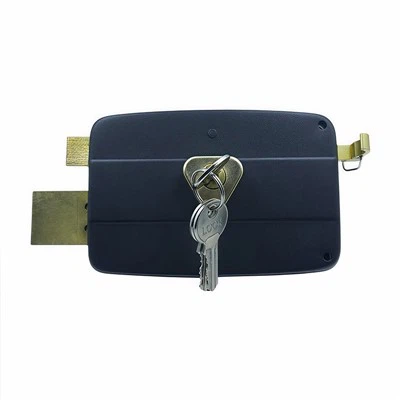
Hey there! As a supplier of self - locking doors, I often get asked if these doors work well in high - humidity areas. It's a super valid question, and today, I'm gonna dive deep into this topic to give you the lowdown.
First off, let's understand what self - locking doors are. These are doors that automatically lock when they close. They're pretty handy, offering an extra layer of security without you having to remember to lock the door manually every time. We offer a range of self - locking doors, including ones with Push Lock, Push Bar Lock, and Universal Door Lock.
Now, high - humidity areas can be a real challenge for a lot of things, and doors are no exception. In places like coastal regions or bathrooms, the air is filled with a high amount of moisture. This moisture can cause all sorts of problems for doors and their locking mechanisms.
One of the main issues is rust. Metal parts in the lock, like the deadbolt or the latch, are at risk of rusting when exposed to high humidity. Rust can make the lock sticky and difficult to operate. You might find that it takes more force to turn the key or that the door doesn't lock or unlock smoothly. Over time, rust can even cause the lock to fail completely.
Another problem is swelling. Wood doors, in particular, can absorb moisture from the air. When this happens, the wood swells. A swollen door might not fit properly in the frame, which can affect the alignment of the lock. If the lock isn't aligned correctly, it won't engage properly, and your door won't be secure. Even if you have a metal or composite door, the hinges and other hardware can be affected by the humidity, leading to similar issues with the lock's functionality.
But here's the good news: self - locking doors can work in high - humidity areas if they're properly designed and maintained.
Let's start with the design. At our company, we use high - quality materials that are resistant to rust and corrosion. For example, we coat our metal locks with special anti - rust finishes. These finishes act as a barrier between the metal and the moisture in the air, reducing the risk of rust. We also use stainless steel and brass in our locks, as these metals are naturally more resistant to corrosion compared to regular steel.
When it comes to the door itself, we offer moisture - resistant options. For wooden doors, we treat the wood with sealants that prevent it from absorbing too much moisture. Composite doors are also a great choice for high - humidity areas. They're made from a combination of materials that are less likely to swell or warp in moist conditions.


Proper installation is also crucial. A door that's installed correctly will have better alignment, which is essential for the lock to work properly. Our team of experts ensures that the door is level and plumb, and that the lock is installed at the right height and angle. This helps to minimize any issues that might arise due to the door's movement or the effects of humidity.
Maintenance is another key factor. In high - humidity areas, it's important to regularly check and maintain your self - locking door. You should clean the lock and the door hinges regularly to remove any dirt or debris that might have accumulated. Lubricating the lock is also a good idea. A little bit of lubricant can keep the lock working smoothly and prevent rust from forming. You can use a silicone - based lubricant, which is ideal for use in high - humidity environments.
If you notice any signs of rust or swelling, it's important to address them right away. For minor rust, you can use a rust remover to clean the affected area. If the door is swelling, you might need to adjust the hinges or the frame to ensure that the door fits properly. In some cases, you might need to replace the lock or the door if the damage is too severe.
Let's talk about the different types of self - locking doors and how they perform in high - humidity areas.
The Push Lock is a popular choice. It's easy to use and offers good security. In high - humidity areas, the key is to make sure that the push lock is made from corrosion - resistant materials. Our push locks are designed with this in mind, so you can be confident that they'll work well even in moist conditions.
The Push Bar Lock is often used in commercial buildings and emergency exits. These locks need to be reliable, especially in high - humidity areas where there might be a lot of traffic. We've engineered our push bar locks to withstand the effects of humidity. They're made with durable materials and are designed to operate smoothly even in less - than - ideal conditions.
The Universal Door Lock is a versatile option that can be used on different types of doors. It's important to choose a universal door lock that's suitable for high - humidity areas. Our universal door locks are built to last, with features that protect them from rust and moisture.
In conclusion, self - locking doors can definitely work in high - humidity areas, but it takes the right design, installation, and maintenance. We've put a lot of effort into developing self - locking doors that can withstand the challenges of high humidity. Whether you're looking for a door for your home bathroom or a commercial building in a coastal area, we have the right solution for you.
If you're interested in purchasing self - locking doors for your high - humidity area, I encourage you to reach out to us. We can provide you with more information about our products, answer any questions you might have, and help you choose the best door and lock for your needs. Contact us today to start the conversation about securing your space with our high - quality self - locking doors.
References
- "Handbook of Corrosion Engineering" by Pierre R. Roberge
- "Wood Handbook: Wood as an Engineering Material" by the Forest Products Laboratory