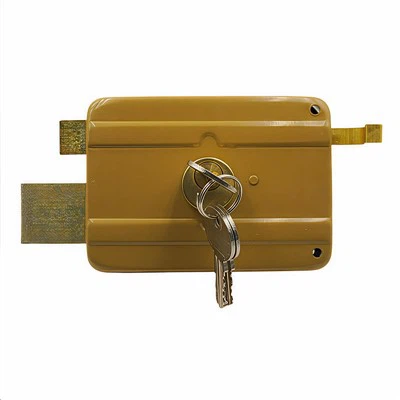
Do self - locking doors require a key? This is a question that often arises when people are considering the installation of self - locking doors, whether for residential, commercial, or industrial use. As a self - locking door supplier, I've encountered this query numerous times, and I'm here to provide a comprehensive answer based on industry knowledge and practical experience.
How Self - Locking Doors Work
Self - locking doors are designed to automatically lock when they are closed. The mechanism behind this can vary. Some self - locking doors use a spring - loaded latch. When the door is shut, the latch engages with the strike plate on the door frame, creating a secure closure. This type of system is commonly found in residential settings, such as bedroom or bathroom doors.
Another type of self - locking mechanism involves an electromagnetic lock. These locks are powered by electricity and are often used in commercial and high - security areas. When the door closes, an electrical current activates the lock, holding the door firmly in place.
Key Requirements for Different Types of Self - Locking Doors
Residential Self - Locking Doors
In many residential applications, self - locking doors do not necessarily require a key from the inside. For example, the spring - loaded latch on a bathroom or bedroom door can usually be opened from the inside by simply turning a handle or pushing a button. This is for convenience and safety reasons, as it allows occupants to quickly exit the room in case of an emergency.
However, from the outside, a key is typically required to unlock the door. This provides security, preventing unauthorized access. For instance, if you have a self - locking front door of your house, you would use a key to enter when you come home. Our Self Locking Door Lock is a great option for residential use. It offers reliable self - locking functionality and can be easily installed on most standard doors.
Commercial and Industrial Self - Locking Doors
In commercial and industrial settings, the key requirements can be more complex. High - security areas, such as server rooms or warehouses, often use self - locking doors that require a key or a key - card system for both entry and exit. This is to ensure strict access control and prevent theft or unauthorized entry.
Electromagnetic locks, which are commonly used in these settings, usually require a power source to unlock. In case of a power outage, there are often backup systems in place, such as a mechanical key override. This ensures that people can still exit the building safely. Our Outdoor Lock is suitable for commercial and industrial outdoor doors. It provides high - level security and can be integrated with various access control systems.
Shed and Storage Self - Locking Doors
For shed doors and other storage areas, self - locking doors also have different key requirements. A shed door is mainly used to protect tools, equipment, and other items stored inside. A simple self - locking mechanism can be sufficient, but a key is usually needed to access the shed. Our Shed Door Locks are designed specifically for this purpose. They are durable and easy to use, providing a reliable way to secure your shed.
Factors Affecting Key Requirements
There are several factors that can affect whether a self - locking door requires a key.
Security Level
The security level of the area where the door is installed is a major factor. Higher - security areas, such as banks or government buildings, will require keys or advanced access control systems for both entry and exit. In contrast, low - security areas like a small office pantry may only need a simple self - locking mechanism without a key for internal access.
Building Codes and Regulations
Building codes and regulations also play a role. In some areas, there are requirements for emergency exits to be easily accessible from the inside without the use of a key. This is to ensure the safety of occupants in case of a fire or other emergencies. Therefore, self - locking doors in these areas may need to be designed to comply with such regulations.
User Preferences
User preferences can also influence key requirements. Some people may prefer the convenience of not having to use a key every time they enter or exit a room, while others may prioritize security and opt for a key - required system.
Benefits of Self - Locking Doors with Key Requirements
There are several benefits to having self - locking doors that require a key.
Enhanced Security
The most obvious benefit is enhanced security. By requiring a key for access, you can control who enters and exits a particular area. This is especially important for protecting valuable assets, such as in a jewelry store or a data center.
Peace of Mind
Knowing that your property is secured by a self - locking door with a key system can give you peace of mind. Whether it's your home or your business, you can be more confident that unauthorized individuals cannot easily gain access.
Access Control
Key - required self - locking doors allow for better access control. You can issue keys to authorized personnel only, and keep track of who has access to different areas. This is useful in large organizations where different levels of access are needed for different employees.
Considerations When Choosing Self - Locking Doors
When choosing self - locking doors, there are several considerations to keep in mind.


Compatibility
Make sure the self - locking door and lock system are compatible with your existing door and door frame. Different doors may require different types of locks, and improper installation can lead to security risks.
Durability
Choose a durable lock and door system. A high - quality self - locking door will last longer and provide better security. Look for products that are made from strong materials and have a good reputation in the market.
Ease of Use
Consider the ease of use for both the occupants and the maintenance staff. A lock that is too complicated to use may cause frustration and may not be used properly, reducing its effectiveness.
Conclusion
In conclusion, whether self - locking doors require a key depends on various factors, including the type of setting, security requirements, building codes, and user preferences. As a self - locking door supplier, we offer a wide range of products to meet different needs. Our Self Locking Door Lock, Outdoor Lock, and Shed Door Locks are all designed with quality and functionality in mind.
If you are interested in our self - locking door products or have any questions about key requirements and security solutions, please feel free to contact us for a detailed consultation. We are committed to helping you find the best self - locking door solution for your specific needs.
References
- "Handbook of Locksmithing" by Ralph F. Pagliaro
- "Security Door Systems: Design and Installation" by Security Door Association