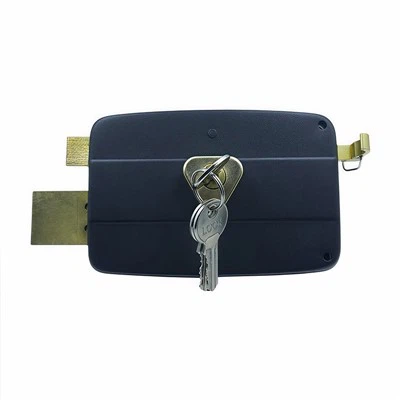
Hey there! As a push lock supplier, I've been getting a bunch of questions lately about whether push locks work in extreme temperatures. It's a super important topic, especially for folks living in areas with wild temperature swings. So, let's dive right in and figure this out.
First off, what are push locks anyway? They're those nifty little locks that you can operate with just a push. They're pretty common in both residential and commercial settings, and they come in all sorts of styles and materials. Whether you're looking for a Wooden Door Lock for your cozy home or a Self Locking Door for a high - traffic office, there's a push lock out there for you.
Now, let's talk about how extreme temperatures can mess with push locks. There are basically two main types of extreme temperatures we need to consider: really cold and really hot.
Cold Temperatures
In cold weather, one of the biggest problems is freezing. You know how water turns into ice when it gets cold? Well, the same thing can happen inside a push lock. If there's any moisture in the lock mechanism, it can freeze and cause the lock to jam. Imagine you're in the middle of a freezing winter night, trying to get into your house, and your push lock won't budge because it's frozen solid. Not fun, right?
Another issue with cold temperatures is that metals contract. Most push locks have metal components, like springs and pins. When it gets cold, these metals shrink. This can change the way the lock functions. The springs might not work as well, which means the lock might not engage or disengage properly. You might find that you have to use a lot more force to push the lock open or closed, or it might not lock at all.
But don't worry! There are some things you can do to prevent these problems. One option is to use a lock lubricant that's designed for cold weather. These lubricants are formulated to stay fluid even in freezing temperatures, which can help prevent freezing and keep the lock mechanism working smoothly. You can also try to keep the lock dry. If you know it's going to be cold outside, you can use a silicone spray or a waterproof cover to protect the lock from moisture.
Hot Temperatures
On the flip side, hot temperatures can also cause problems for push locks. When it's really hot, metals expand. Just like they contract in the cold, they get bigger when it's warm. This expansion can cause the lock components to rub against each other more than they should. Over time, this can lead to wear and tear on the lock. The pins might get stuck, or the springs might lose their elasticity.
Another issue with hot weather is that the heat can break down the lubricants inside the lock. Most locks come with some kind of lubricant to help them work smoothly. But when it's really hot, this lubricant can melt or evaporate. Without proper lubrication, the lock can become stiff and difficult to operate.
Just like with cold temperatures, there are solutions for hot weather too. You can use a high - temperature lubricant that's designed to withstand the heat. These lubricants are thicker and more resistant to melting, which can help keep the lock working properly. You can also try to shade the lock from direct sunlight. If the lock is in a spot where it gets a lot of sun, you can install an awning or a cover to protect it from the heat.
Testing Push Locks in Extreme Temperatures
At our company, we take the performance of our push locks very seriously. That's why we conduct a lot of tests to make sure our locks can handle extreme temperatures. We have special chambers where we can simulate different temperature conditions. We test the locks at temperatures as low as - 20°F and as high as 120°F.
During these tests, we look at how the locks perform over time. We check to see if they jam, if the springs lose their elasticity, or if the lock components wear out. We also test the locks with different types of lubricants to see which ones work best in extreme temperatures. Based on these tests, we can make sure that our Self Locking Door Lock products are reliable and durable, no matter what the weather is like.


Real - World Examples
I've had customers tell me about their experiences with push locks in extreme temperatures. One customer in Alaska said that their push lock froze up during a particularly cold winter. They tried everything to get it open, but it was completely stuck. After they thawed the lock with a hair dryer and applied some cold - weather lubricant, it started working again.
On the other hand, I had a customer in Arizona who had problems with their push lock in the summer. The lock became really stiff and difficult to operate because of the heat. After they cleaned the lock and applied a high - temperature lubricant, it started working much better.
These real - world examples show that extreme temperatures can definitely affect push locks, but with the right maintenance and the right products, you can overcome these problems.
Conclusion
So, do push locks work in extreme temperatures? The answer is yes, but they need a little extra care. Whether it's cold or hot outside, there are steps you can take to make sure your push lock keeps working properly. As a push lock supplier, we're committed to providing high - quality products that can handle the toughest conditions.
If you're in the market for a push lock, or if you have any questions about how our locks perform in extreme temperatures, don't hesitate to reach out. We're here to help you find the right lock for your needs. Whether you're looking for a lock for your home, your office, or any other place, we've got you covered. Contact us today to start a conversation about your push lock needs.
References
- "Handbook of Lock Design and Engineering"
- "Materials Science and Engineering for Lock Applications"
- "Temperature Effects on Mechanical Devices"