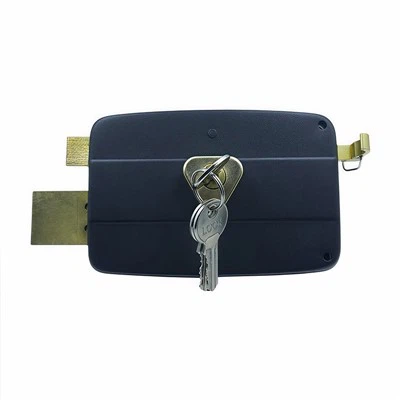
Hey there! As a supplier of push bar door locks, I've been getting a lot of questions lately about whether these locks need to be lubricated. So, I thought I'd take a few minutes to break it down for you.
First off, let's talk about what a push bar door lock is. If you're not familiar, you can check out our Push Bar Lock page. These locks are commonly used on commercial and public buildings. They're designed to allow for easy and quick exit in case of an emergency. You simply push the bar, and the door unlocks and swings open.
Now, back to the big question: do push bar door locks need to be lubricated? The short answer is yes, and here's why.
The Importance of Lubrication
Over time, the moving parts of a push bar door lock can start to wear down. Friction between these parts can cause them to grind against each other, leading to premature wear and tear. Lubrication helps to reduce this friction. It creates a smooth surface between the moving components, allowing them to glide past each other with ease.
Think about it like this. When you're trying to open a door with a rusty hinge, it's really tough, right? That's because there's a lot of friction between the hinge parts. But if you spray some lubricant on it, suddenly the door swings open smoothly. The same principle applies to push bar door locks.
Another reason to lubricate your push bar door locks is to prevent corrosion. Moisture and humidity can cause metal parts to rust. A good lubricant forms a protective barrier on the metal, keeping moisture out and reducing the risk of rust and corrosion.
When to Lubricate
You might be wondering how often you should lubricate your push bar door locks. Well, it depends on a few factors. If the lock is in a high - traffic area, it might need lubrication more frequently. For example, in a busy shopping mall or a school, where the doors are opened and closed hundreds of times a day, you might want to lubricate the locks every 3 - 6 months.


On the other hand, if the lock is in a low - traffic area, like a storage room in a small office, lubricating it once a year might be sufficient. You should also keep an eye on the lock's performance. If you notice that it's starting to feel stiff or if it's making unusual noises when you push the bar, it's probably time to lubricate it.
How to Lubricate
Lubricating a push bar door lock isn't too difficult. Here's a step - by - step guide:
- Gather your supplies: You'll need a lubricant. A silicone - based lubricant is a great choice because it won't attract dirt and dust like some oil - based lubricants. You'll also need a clean cloth and maybe a small brush to get into the hard - to - reach places.
- Clean the lock: Before you lubricate, use the clean cloth to wipe away any dirt, dust, or debris from the lock. This will ensure that the lubricant can work effectively.
- Apply the lubricant: Spray the lubricant into the keyway, the moving parts of the push bar mechanism, and any other areas where you see metal - to - metal contact. If there are hard - to - reach spots, you can use the small brush to spread the lubricant evenly.
- Work the lock: After applying the lubricant, push the bar a few times to work the lubricant into the moving parts. This will help to distribute it evenly and ensure that all the components are properly lubricated.
Other Types of Locks and Lubrication
If you're also interested in other types of locks, we have some great options. Check out our Privacy Lock and Side Door Lock pages.
These locks also benefit from lubrication. Privacy locks are often used in bedrooms and bathrooms. They can get a lot of use, and lubricating them can keep them working smoothly. Side door locks, which are used on exterior side doors, are exposed to the elements. Lubrication can protect them from rust and ensure that they function properly.
Wrapping It Up
In conclusion, lubricating your push bar door locks is an important part of maintenance. It helps to keep the locks working smoothly, reduces wear and tear, and prevents corrosion. By following the simple steps I've outlined above, you can extend the life of your locks and ensure that they're always in top - notch condition.
If you're in the market for high - quality push bar door locks or other types of locks, we're here to help. We offer a wide range of locks that are durable, reliable, and easy to maintain. Whether you're a business owner looking to secure your commercial property or a homeowner in need of a new lock for your side door, we've got you covered.
If you have any questions or want to discuss your lock needs, feel free to reach out. We're always happy to have a chat and help you find the perfect lock for your situation. Let's work together to keep your doors secure!
References
- "The Basics of Door Lock Maintenance" - General Locksmithing Handbook
- "Lubrication Techniques for Commercial Locks" - Lock Industry Magazine