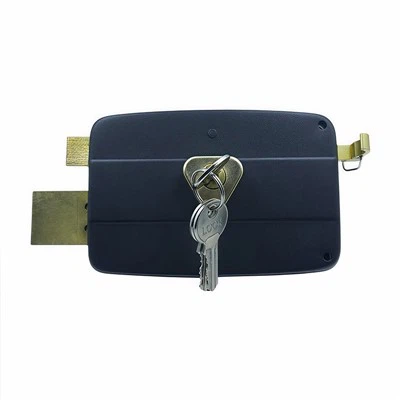
As a push bar door lock supplier, I've received numerous inquiries regarding whether our push bar door locks meet building code requirements. This is a critical question for architects, building owners, and facility managers, as compliance with building codes is not only a legal obligation but also a matter of safety and security. In this blog post, I'll delve into the key aspects of building code requirements for push bar door locks and explain how our products ensure compliance.
Understanding Building Code Requirements
Building codes are a set of regulations established by local, state, or national authorities to ensure the safety, health, and welfare of building occupants. These codes cover a wide range of building components, including door locks, to prevent hazards such as fire, theft, and unauthorized access. When it comes to push bar door locks, building codes typically focus on the following areas:
Emergency Egress
One of the primary functions of push bar door locks is to provide a quick and easy means of egress during emergencies, such as fires or earthquakes. Building codes require that push bar door locks be designed and installed in a way that allows occupants to exit the building without the need for a key or special knowledge. This means that the push bar must be operable from the inside with a single motion, typically by applying pressure to the bar.


Fire Resistance
In areas where fire safety is a concern, building codes may require push bar door locks to have a certain level of fire resistance. This means that the lock must be able to withstand the effects of fire for a specified period of time, typically 20 to 90 minutes, depending on the location and use of the building. Fire-rated push bar door locks are designed with special materials and construction techniques to prevent the spread of fire and smoke.
Security
While emergency egress is a top priority, building codes also require push bar door locks to provide a certain level of security. This means that the lock must be able to resist forced entry and prevent unauthorized access to the building. Building codes may specify the type of locking mechanism, the strength of the lock components, and the installation requirements to ensure the security of the door.
Accessibility
Building codes also address the issue of accessibility, ensuring that push bar door locks are easy to use for people with disabilities. This includes requirements for the height and placement of the push bar, the force required to operate the lock, and the use of tactile or visual indicators to assist people with visual impairments.
How Our Push Bar Door Locks Meet Building Code Requirements
At our company, we understand the importance of compliance with building codes and have designed our push bar door locks to meet or exceed the most stringent requirements. Here's how our products ensure compliance:
Emergency Egress
Our push bar door locks are designed with a simple and intuitive operation, allowing occupants to exit the building quickly and easily in an emergency. The push bar is designed to be operable with a single motion, requiring only minimal pressure to release the lock. This ensures that even in high-stress situations, occupants can easily open the door and escape to safety.
Fire Resistance
We offer a range of fire-rated push bar door locks that are designed to meet the fire resistance requirements of building codes. Our fire-rated locks are constructed with high-quality materials and advanced manufacturing techniques to ensure maximum fire protection. These locks are tested and certified to meet the relevant fire safety standards, providing peace of mind for building owners and occupants.
Security
Our push bar door locks are engineered to provide a high level of security, protecting against forced entry and unauthorized access. We use only the highest quality materials and components in our locks, ensuring durability and reliability. Our locks are also designed with advanced locking mechanisms, such as deadbolts and anti-pick pins, to prevent tampering and ensure the security of the door.
Accessibility
We are committed to providing accessible products that meet the needs of all building occupants. Our push bar door locks are designed with accessibility in mind, featuring a low-profile push bar that is easy to reach and operate. The force required to operate the lock is also carefully calibrated to ensure that it can be easily operated by people with disabilities. In addition, our locks are available with tactile or visual indicators to assist people with visual impairments.
Our Product Range
We offer a wide range of push bar door locks to meet the diverse needs of our customers. Our product range includes:
- Push Lock: Our push lock is a popular choice for commercial and industrial applications. It features a simple and reliable design, with a push bar that is easy to operate. The lock is available in a variety of finishes to match the style of any door.
- House Locks: Our house locks are designed for residential applications, providing a high level of security and convenience. These locks are available in a range of styles and finishes, allowing you to choose the perfect lock for your home.
- Hotel Locks: Our hotel locks are specifically designed for the hospitality industry, providing a high level of security and convenience for guests. These locks are available with a variety of features, such as key card access and electronic locking systems, to meet the needs of modern hotels.
Contact Us for Purchase and Consultation
If you're in the market for push bar door locks that meet building code requirements, look no further. Our team of experts is ready to assist you in choosing the right lock for your specific needs. Whether you're an architect, building owner, or facility manager, we can provide you with the information and support you need to make an informed decision.
Contact us today to discuss your requirements and learn more about our push bar door locks. We look forward to working with you to ensure the safety and security of your building.
References
- International Building Code (IBC)
- National Fire Protection Association (NFPA) standards
- Americans with Disabilities Act (ADA) requirements