Do privacy latches meet building codes?
As a supplier of privacy latches, one of the most frequent questions I encounter from customers is whether our privacy latches meet building codes. This is a crucial concern, as compliance with building codes is not only a legal requirement but also a matter of safety and functionality. In this blog post, I'll delve into the details of privacy latches and their compliance with building codes.
Understanding Privacy Latches
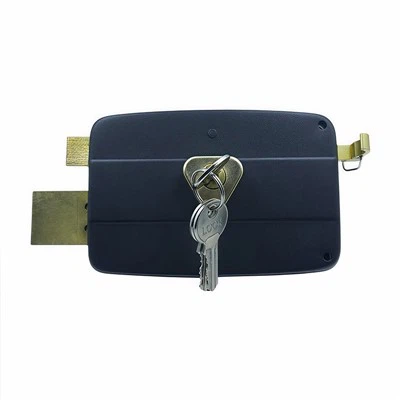
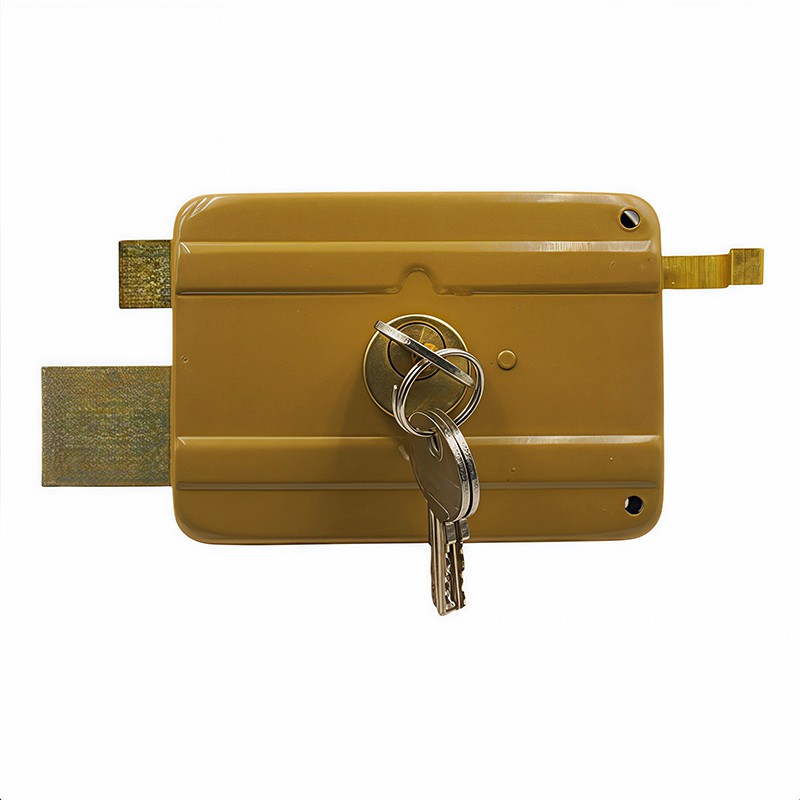
Privacy latches are a type of door hardware commonly used in areas where privacy is desired, such as bedrooms, bathrooms, and dressing rooms. They typically feature a locking mechanism that can be engaged from the inside of the room, allowing occupants to secure the door and prevent unauthorized entry. Privacy latches come in various styles and designs, including the Privacy Lock, Round Door Lock, and Storeroom Lock.
Building Codes and Their Significance
Building codes are a set of regulations established by local, state, or national authorities to ensure the safety, health, and welfare of building occupants. These codes cover a wide range of aspects, including structural integrity, fire safety, electrical systems, plumbing, and door hardware. When it comes to privacy latches, building codes typically address issues such as locking mechanisms, accessibility, and emergency egress.
Locking Mechanisms
One of the primary concerns regarding privacy latches is the type of locking mechanism they employ. Building codes often require that privacy latches be designed in a way that allows for easy and quick unlocking from the outside in case of an emergency. This is particularly important in areas such as bathrooms, where a person may become incapacitated and need to be rescued.
Most modern privacy latches are designed with a push-button or turn-button locking mechanism on the inside, which can be easily disengaged from the outside using a small tool or key. This ensures that in the event of an emergency, first responders or other authorized individuals can quickly gain access to the room.
Accessibility
Another important aspect of building codes is accessibility. Privacy latches must be designed to be easily operable by people of all ages and abilities. This includes considerations such as the size and shape of the locking mechanism, the force required to operate it, and the visibility of the lock status.
For example, some building codes may require that privacy latches have a large, easy-to-grip handle or button that can be easily reached and operated by people with limited dexterity. Additionally, the lock status indicator should be clearly visible from both the inside and outside of the door, so that users can easily determine whether the door is locked or unlocked.

Emergency Egress
Emergency egress is a critical consideration in building design, and privacy latches must comply with specific requirements to ensure that occupants can safely exit a room in the event of a fire or other emergency. Building codes typically require that privacy latches do not impede the normal operation of a door during an emergency and that they can be easily opened from the inside without the use of a key or special tool.
In some cases, building codes may also require that privacy latches be equipped with a panic bar or other emergency exit device that allows for quick and easy egress. This is particularly important in areas with high occupancy, such as hotels, hospitals, and schools.
Our Commitment to Compliance
At our company, we understand the importance of compliance with building codes. That's why we take great care to ensure that all of our privacy latches are designed and manufactured to meet or exceed the relevant standards. Our products are tested and certified by independent third-party laboratories to ensure their safety and performance.
We also stay up-to-date with the latest building code requirements and make any necessary adjustments to our products as needed. This allows us to provide our customers with peace of mind, knowing that they are purchasing privacy latches that are not only stylish and functional but also compliant with all applicable building codes.
Choosing the Right Privacy Latch
When selecting a privacy latch for your project, it's important to consider the specific requirements of your building code. Here are some tips to help you make the right choice:
- Research Local Codes: Before purchasing a privacy latch, familiarize yourself with the building codes in your area. This will help you understand the specific requirements for locking mechanisms, accessibility, and emergency egress.
- Look for Certification: Look for privacy latches that are certified by independent third-party laboratories, such as UL (Underwriters Laboratories) or ANSI (American National Standards Institute). This ensures that the product has been tested and meets the relevant safety and performance standards.
- Consider Accessibility: If your building will be used by people with disabilities, choose a privacy latch that is designed to be easily operable by people of all ages and abilities. Look for features such as large, easy-to-grip handles or buttons and clear lock status indicators.
- Think About Emergency Egress: Make sure that the privacy latch you choose allows for easy and quick unlocking from the outside in case of an emergency. Consider options such as panic bars or other emergency exit devices if required by your building code.
Contact Us for More Information
If you have any questions about our privacy latches or their compliance with building codes, please don't hesitate to contact us. Our team of experts is available to provide you with detailed information and guidance to help you make the right choice for your project. Whether you're a builder, contractor, architect, or homeowner, we're here to assist you every step of the way.
We're committed to providing high-quality privacy latches that not only meet your aesthetic and functional needs but also comply with all applicable building codes. So, if you're in the market for privacy latches, give us a call or send us an email today to start the conversation. We look forward to working with you.
References
- International Building Code (IBC)
- Americans with Disabilities Act (ADA) Standards for Accessible Design
- Underwriters Laboratories (UL) Standards for Door Hardware
- American National Standards Institute (ANSI) Standards for Door Locks and Hardware