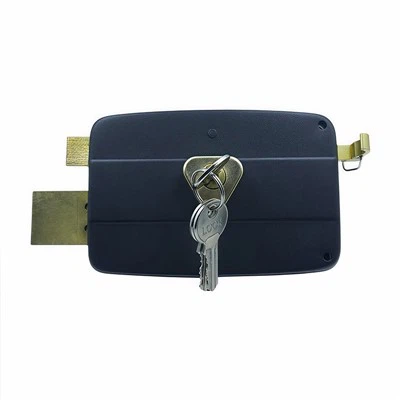
Hey there! As a long - time house locks supplier, I've seen it all when it comes to locks in people's homes. One question that often pops up is, "Do house locks need to be adjusted over time?" Well, let's dive right into it.
First off, it's important to understand that a house lock isn't just a static object. It's a mechanical device that goes through a lot of wear and tear. Every time you insert a key, turn it, and open or close the door, the lock is in action. And over time, this constant use can take a toll on its components.


One of the most common reasons locks need adjustment is due to the natural settling of a house. When a house is newly built, everything is in perfect alignment. But as time passes, the foundation may shift a little bit. This can cause the door frame to become slightly misaligned, which in turn affects the lock. You might notice that it's getting harder to insert the key or turn it smoothly. Sometimes, the deadbolt might not extend or retract fully. That's a clear sign that the lock needs some attention.
Another factor is environmental conditions. In areas with high humidity, the metal parts of the lock can start to rust or corrode. This not only makes the lock look bad but also affects its functionality. Rust can cause the moving parts to stick, making it difficult to operate the lock. Even in dry climates, dust and dirt can accumulate inside the lock mechanism. This debris can jam the lock, preventing it from working properly.
Now, let's talk about the types of locks. There are various kinds of house locks out there, and each has its own set of issues when it comes to adjustment.
The Universal Door Lock is a popular choice. It's designed to fit a wide range of doors, which is great for versatility. However, because it's used in different settings, it can be more prone to misalignment. If the door sags or the frame shifts, the universal lock might need to be adjusted to ensure a proper fit.
The Self Locking Door is another interesting type. These locks are convenient as they automatically lock when the door closes. But over time, the self - locking mechanism can become less reliable. The spring inside the lock that activates the locking feature can weaken, causing the door not to lock properly. This is a clear indication that an adjustment is needed.
Then there's the Push Lock. Push locks are simple and easy to use. You just push a button to lock or unlock the door. But they can also face problems. The push mechanism can get loose or jammed, making it hard to operate. Adjusting the push lock can often solve these issues.
So, how do you know if your lock really needs adjustment? Here are some signs to look out for. If you find that you have to use more force than usual to turn the key or operate the lock, that's a red flag. Another sign is if the lock makes strange noises, like grinding or clicking sounds. This could mean that the internal parts are rubbing against each other or are misaligned. And of course, if the door doesn't lock or unlock smoothly, it's time to take a closer look.
Adjusting a house lock isn't always a DIY job. While some minor adjustments can be made by homeowners, more complex issues might require the help of a professional locksmith. For example, if the lock has a broken internal component or if the misalignment is severe, it's best to call in an expert.
But if you want to try adjusting the lock yourself, here are some basic steps. First, clean the lock. Use a can of compressed air to blow out any dust or debris. You can also use a small brush to gently clean the keyway. Next, check the screws on the lock and the strike plate. Sometimes, these screws can come loose over time. Tighten them up using a screwdriver. If the lock still isn't working properly, you might need to adjust the strike plate. This involves moving it slightly to ensure that the deadbolt or latch fits into it correctly.
As a house locks supplier, I can't stress enough the importance of regular maintenance and adjustment of your locks. Not only does it keep your doors secure, but it also extends the lifespan of the lock. A well - maintained lock is less likely to break down, saving you money in the long run.
If you're in the market for a new lock or need advice on lock adjustment, don't hesitate to reach out. Whether it's a simple push lock or a more advanced universal lock, we've got you covered. Our team of experts can help you choose the right lock for your needs and provide guidance on how to keep it in top - notch condition. So, if you've got any questions or are ready to make a purchase, just get in touch. We're here to help you keep your home safe and secure.
References
- "The Basics of Home Lock Maintenance" - Home Security Journal
- "Understanding Different Types of House Locks" - Locksmith Magazine
- "How to Adjust Your Door Lock" - DIY Home Improvement Guide