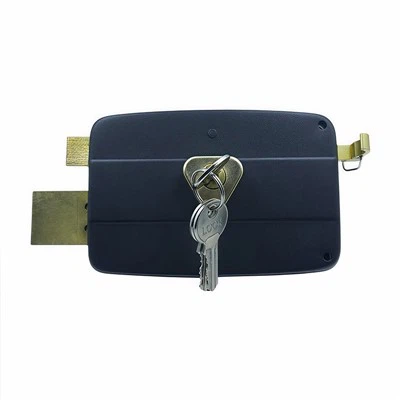
Can small cylinder locks be used on a pet door?
Hey there, fellow pet owners and lock enthusiasts! I'm a supplier of small cylinder locks, and I often get asked if these locks can be used on pet doors. Well, let's dive right into it and find out.
First off, what are small cylinder locks? These are compact locks that use a cylinder mechanism to operate. They're commonly found on things like cabinets, drawers, and even some smaller doors. They're known for their simplicity and relatively easy installation.
Now, when it comes to pet doors, there are a few factors to consider before deciding if a small cylinder lock is a good fit.
Security
One of the main concerns when using any lock on a pet door is security. You want to make sure that the lock can keep unwanted intruders out, whether it's other animals or even humans. Small cylinder locks can offer a decent level of security, but it depends on the quality of the lock.
Higher - quality small cylinder locks are made with stronger materials and better - designed mechanisms. They're less likely to be picked or forced open. However, if you go for a cheap, low - quality lock, it might not provide much protection at all. For example, some locks have thin metal components that can be easily bent or broken.
If security is your top priority, you might want to look into more advanced locking systems. But if you just need a basic level of security to keep out neighborhood cats or small critters, a good small cylinder lock could do the trick. You can check out our Hotel Locks and House Locks for inspiration on the quality of locks we offer. These locks are designed to provide reliable security, and some of the features can be applied to pet door locks as well.
Size and Compatibility
Another important factor is the size of the lock and its compatibility with the pet door. Pet doors come in all shapes and sizes, from small ones for cats to large ones for big dogs. You need to make sure that the small cylinder lock you choose will fit properly on the pet door.
The lock should be the right size to be installed on the frame of the pet door. If it's too big, it won't fit, and if it's too small, it might not be able to lock the door securely. Also, consider the type of pet door. Some pet doors are made of plastic, while others are made of metal or wood. The lock needs to be compatible with the material of the pet door. For example, if you have a plastic pet door, you'll need a lock that can be easily attached to plastic without causing damage.
Ease of Use
You also have to think about how easy the lock is to use. Your pet won't be able to operate the lock, but you will. You need to be able to lock and unlock the pet door quickly and easily, especially if you're in a hurry.
Small cylinder locks are generally easy to use. You just insert the key and turn it to lock or unlock. However, some locks might have a stiff keyway, which can make it difficult to insert and turn the key. Make sure to choose a lock with a smooth - operating keyway.
Also, consider how often you'll need to use the lock. If you're going to be locking and unlocking the pet door multiple times a day, you want a lock that won't wear out quickly. Our Self Locking Door Lock has features that ensure smooth and long - lasting operation, which can be a good indication of the quality of our small cylinder locks as well.
Weather Resistance
Since pet doors are usually installed on the outside of the house, they're exposed to the elements. The lock needs to be able to withstand different weather conditions, such as rain, snow, and extreme temperatures.
Some small cylinder locks are made with weather - resistant materials, like stainless steel or powder - coated metal. These materials can prevent rust and corrosion, which can damage the lock over time. If you live in an area with harsh weather, it's essential to choose a lock that can handle it.
Installation
Installing a small cylinder lock on a pet door should be relatively straightforward. Most locks come with installation instructions, and if you're handy with tools, you should be able to do it yourself. However, if you're not confident in your DIY skills, you might want to hire a professional to install the lock for you.
When installing the lock, make sure to follow the instructions carefully. Drill the holes in the right places and use the correct screws. A poorly installed lock won't work properly and might even damage the pet door.
Cost
Cost is always a factor when making a purchase. Small cylinder locks are generally more affordable compared to some other types of locks. You can find a decent small cylinder lock for a reasonable price. However, as I mentioned earlier, don't just go for the cheapest option. A higher - quality lock might cost a bit more upfront, but it will save you money in the long run by lasting longer and providing better security.
So, can small cylinder locks be used on a pet door? The answer is yes, they can. But you need to consider the factors I've mentioned above. If you're looking for a simple, affordable, and relatively secure way to lock your pet door, a small cylinder lock could be a great choice.


If you're interested in purchasing small cylinder locks for your pet door or have any questions about our products, feel free to reach out to us. We're here to help you find the perfect lock for your needs. Whether you need advice on installation or want to know more about the features of our locks, we've got you covered.
In conclusion, small cylinder locks can be a viable option for pet doors, but you need to do your research and choose the right lock. With the right lock, you can keep your pet safe and your home secure.
References
- General knowledge on locks and pet doors from industry experience.
- Product information from our own small cylinder lock product line.