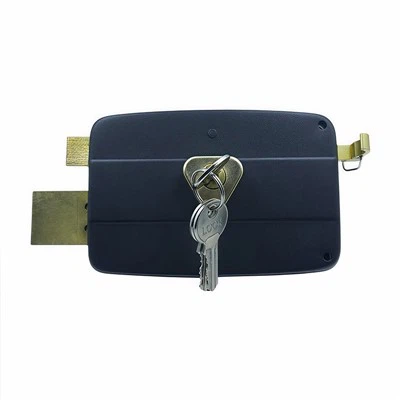
Can an Outdoor Lock be Used on a Plastic Door?
As a seasoned supplier of outdoor locks, I often encounter various inquiries from customers regarding the compatibility of our products with different types of doors. One question that frequently comes up is whether an outdoor lock can be used on a plastic door. In this blog post, I'll delve into this topic, exploring the factors to consider, the pros and cons, and providing some practical advice.
Understanding the Nature of Plastic Doors
Plastic doors, also known as PVC (Polyvinyl Chloride) doors, have gained popularity in recent years due to their affordability, durability, and low maintenance requirements. They are commonly used in residential and commercial settings, including homes, offices, and sheds. Plastic doors come in a variety of styles and designs, offering a wide range of options to suit different aesthetic preferences.
However, plastic doors have some unique characteristics that need to be taken into account when choosing a lock. Unlike traditional wooden or metal doors, plastic doors are relatively soft and flexible. They are also more prone to damage from impact and extreme temperatures. These factors can affect the performance and longevity of a lock installed on a plastic door.
Factors to Consider
When deciding whether an outdoor lock can be used on a plastic door, several factors need to be considered:
-
Lock Type: Not all outdoor locks are suitable for plastic doors. Some locks, such as deadbolts, require a solid and stable surface for proper installation and operation. Plastic doors may not provide the necessary support for a deadbolt, which could lead to the lock becoming loose or ineffective over time. On the other hand, rim locks, which are installed on the surface of the door, are generally more compatible with plastic doors. Rim locks are easier to install and do not require extensive drilling or modification of the door.
-
Security Level: The security level of the lock is another important consideration. Plastic doors are generally less secure than wooden or metal doors, so it's crucial to choose a lock that provides adequate protection. Look for locks that are designed to resist picking, bumping, and other forms of forced entry. Consider locks with high-security features, such as anti-drill plates and hardened steel components.
-
Weather Resistance: Since outdoor locks are exposed to the elements, they need to be weather-resistant. Plastic doors are more susceptible to damage from UV rays, moisture, and extreme temperatures. Choose a lock that is made from materials that can withstand these conditions, such as stainless steel or brass. Look for locks with a protective coating or finish to prevent rust and corrosion.


-
Installation: Proper installation is essential for the performance and security of a lock. Plastic doors require special care during installation to avoid damaging the door. Follow the manufacturer's instructions carefully and use the appropriate tools and hardware. If you're not confident in your installation skills, consider hiring a professional locksmith to install the lock for you.
Pros and Cons of Using an Outdoor Lock on a Plastic Door
Using an outdoor lock on a plastic door has both advantages and disadvantages:
Pros:
- Enhanced Security: Installing an outdoor lock on a plastic door can significantly improve its security. It provides an additional layer of protection against intruders and helps to deter potential burglars.
- Convenience: Outdoor locks are designed for easy access and use. They typically have a simple locking mechanism that can be operated with a key or a combination. This makes them convenient for everyday use, especially if you have multiple people accessing the door.
- Aesthetic Appeal: Outdoor locks come in a variety of styles and finishes, allowing you to choose a lock that complements the look of your plastic door. You can select a lock that matches the color and design of your door, enhancing its overall appearance.
Cons:
- Compatibility Issues: As mentioned earlier, not all outdoor locks are suitable for plastic doors. Some locks may not fit properly or may not provide the necessary support for the door. This can lead to problems with installation, operation, and security.
- Damage to the Door: Installing a lock on a plastic door requires drilling holes and using screws or other hardware. If not done correctly, this can damage the door and reduce its lifespan. Additionally, the weight of the lock and the force applied during operation can cause the door to warp or crack over time.
- Limited Security: Plastic doors are generally less secure than wooden or metal doors. Even with a high-quality outdoor lock, a determined intruder may be able to break through the door. It's important to consider additional security measures, such as installing a security screen or a surveillance system, to enhance the overall security of your property.
Recommended Outdoor Locks for Plastic Doors
Based on my experience as an outdoor lock supplier, I recommend the following types of locks for plastic doors:
-
Rim Locks: Rim locks are a popular choice for plastic doors because they are easy to install and do not require extensive drilling or modification of the door. They are available in a variety of styles and finishes, allowing you to choose a lock that matches the look of your door. Some rim locks also come with additional security features, such as anti-drill plates and hardened steel components. Wooden Door Lock
-
Self-Locking Door Locks: Self-locking door locks are convenient and secure. They automatically lock when the door is closed, eliminating the need to remember to lock the door manually. Self-locking door locks are available in both rim and mortise styles, and they can be used on a variety of door types, including plastic doors. Self Locking Door Lock
-
Shed Door Locks: Shed door locks are designed specifically for use on sheds and other outdoor structures. They are typically made from durable materials, such as stainless steel or brass, and they provide a high level of security. Shed door locks are available in a variety of styles and sizes, allowing you to choose a lock that fits your specific needs. Shed Door Locks
Conclusion
In conclusion, an outdoor lock can be used on a plastic door, but it's important to choose the right lock and install it correctly. Consider the factors mentioned above, such as lock type, security level, weather resistance, and installation, when selecting a lock for your plastic door. While using an outdoor lock can enhance the security and convenience of your plastic door, it's important to remember that plastic doors are generally less secure than wooden or metal doors. It's recommended to consider additional security measures to protect your property.
If you have any questions or need further advice on choosing an outdoor lock for your plastic door, please don't hesitate to contact us. We are a leading supplier of outdoor locks and have extensive experience in providing high-quality products and professional advice. Our team of experts is available to assist you in finding the right lock for your needs. Contact us today to discuss your requirements and start the procurement process.
References
- "The Ultimate Guide to Choosing the Right Lock for Your Door." Locksmith Journal, Vol. 10, No. 2, 2022.
- "Plastic Doors: A Comprehensive Overview." Building Materials Magazine, Vol. 15, No. 3, 2021.
- "Outdoor Lock Installation: Best Practices and Tips." Home Security Today, Vol. 8, No. 4, 2020.