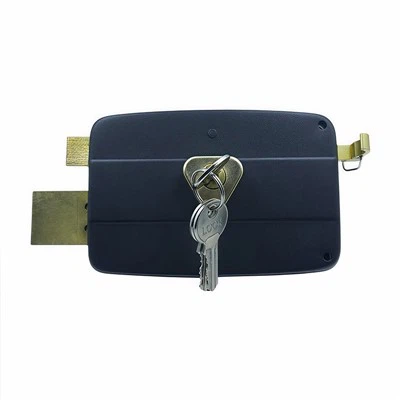
Can a small door lock be used in high - humidity areas?
As a supplier of small door locks, I often receive inquiries from customers about the suitability of our products in various environments, especially high - humidity areas. In this blog post, I'll delve into the factors related to using small door locks in such conditions and provide some insights.
The Impact of High Humidity on Door Locks
High humidity can pose several challenges to door locks. First and foremost, moisture in the air can lead to corrosion. When metal components of a door lock are exposed to high levels of humidity, a chemical reaction occurs. The oxygen in the air and the water vapor combine with the metal, forming metal oxides. For example, iron in the lock can rust, which not only affects the appearance of the lock but also its functionality. Rust can cause the moving parts of the lock, such as the bolt and the keyway, to become stiff or jammed, making it difficult to lock or unlock the door.
Another issue is the expansion and contraction of materials. Different materials in the lock, like metals and plastics, have different coefficients of thermal expansion. In high - humidity environments, the temperature can also fluctuate, and the presence of moisture can exacerbate these expansion and contraction processes. This can lead to misalignment of the lock components, further compromising the lock's performance.
Our Small Door Locks' Resistance to High Humidity
At our company, we understand the importance of providing door locks that can withstand harsh environmental conditions. Our small door locks are designed with high - quality materials and advanced manufacturing techniques to enhance their resistance to high humidity.
We use corrosion - resistant metals such as stainless steel and brass in the construction of our locks. Stainless steel contains chromium, which forms a thin, protective layer on the surface of the metal. This layer prevents oxygen and water from reaching the underlying metal, thus reducing the risk of corrosion. Brass, on the other hand, has natural anti - corrosive properties and is also highly durable.
In addition to using the right materials, we apply special coatings to our locks. These coatings act as an extra barrier against moisture. They are designed to be water - repellent and can prevent the penetration of water into the lock's internal components.
Case Studies of Using Small Door Locks in High - Humidity Areas
We have had several customers who have installed our small door locks in high - humidity areas. For instance, a customer in a coastal area installed our Round Door Lock on the doors of their beach house. After several years of use, the customer reported that the lock still functioned smoothly and showed no signs of significant corrosion. The stainless - steel body of the lock had effectively resisted the salty and humid air near the ocean.

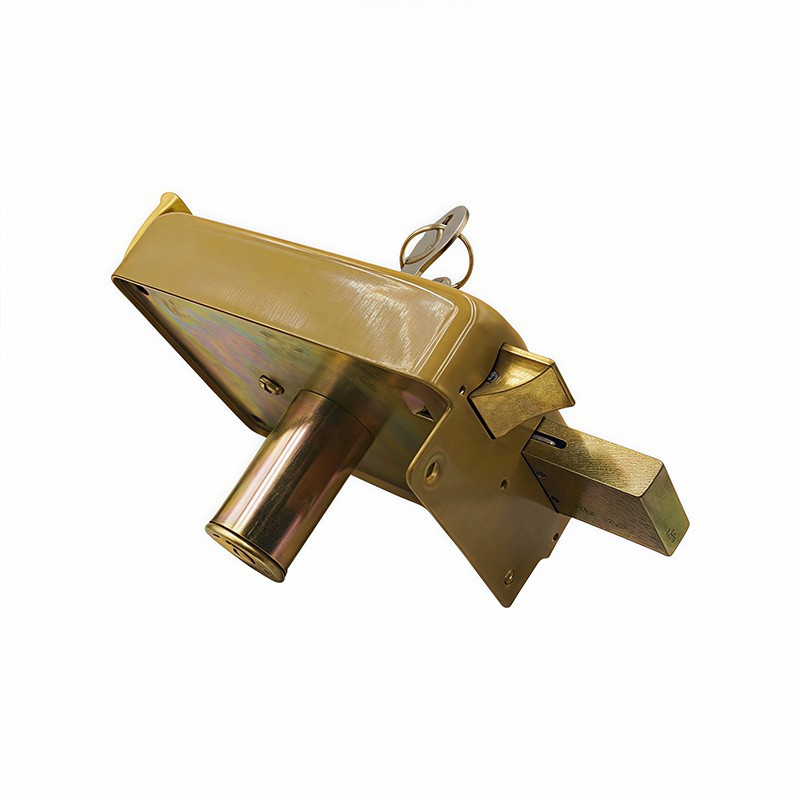
Another customer in a bathroom, which is a typical high - humidity indoor environment, chose our Privacy Lock. The lock's brass construction and the protective coating ensured that it remained in good condition despite the constant exposure to steam and moisture. The customer was satisfied with the lock's performance and its ability to maintain its aesthetic appeal over time.
Maintenance Tips for Small Door Locks in High - Humidity Areas
Even with our high - quality small door locks, proper maintenance is essential to ensure their long - term performance in high - humidity areas.
Regular cleaning is crucial. Use a dry cloth to wipe the lock regularly to remove any moisture and dirt. If there are stubborn stains, you can use a mild detergent and a soft brush to clean the lock gently. After cleaning, make sure to dry the lock thoroughly to prevent the accumulation of moisture.
Lubrication is also important. Apply a small amount of silicone - based lubricant to the moving parts of the lock, such as the bolt and the keyway. This will help to keep the parts moving smoothly and reduce the friction caused by corrosion or misalignment.
Other Considerations
When choosing a small door lock for a high - humidity area, you also need to consider the lock's design. Some locks have better sealing properties than others. A lock with a tight - fitting cover or a weather - resistant seal can prevent moisture from entering the lock more effectively.
Our Self Locking Door Lock is designed with a special sealing mechanism. This not only enhances its security but also provides better protection against high humidity. The seal around the lock body prevents water and moisture from seeping into the internal components, ensuring reliable performance in humid conditions.
Conclusion
In conclusion, our small door locks can indeed be used in high - humidity areas. Through the use of corrosion - resistant materials, special coatings, and proper design, our locks are well - equipped to handle the challenges posed by high humidity. However, regular maintenance is still necessary to ensure their long - term functionality.
If you are looking for high - quality small door locks for high - humidity areas, we are here to help. Our team of experts can provide you with detailed information about our products and assist you in making the right choice. Whether you are building a beach house, renovating a bathroom, or have other needs in high - humidity environments, our small door locks are a reliable option. Contact us today to start the procurement negotiation process, and let us work together to find the perfect door lock solution for you.
References
- "Corrosion of Metals in Humid Environments", Journal of Materials Science
- "Design Considerations for Door Locks in Harsh Environments", Locksmithing Magazine