Can a self - locking door be painted?
As a supplier of self - locking doors, I often receive inquiries from customers about various aspects of door maintenance and customization, and one question that comes up quite frequently is whether a self - locking door can be painted. In this blog, I will delve into this topic in detail, covering the feasibility, considerations, and steps involved in painting a self - locking door.
Feasibility of Painting a Self - Locking Door
The short answer is yes, a self - locking door can be painted. Whether it is a metal, wooden, or composite self - locking door, painting can not only enhance its aesthetic appeal but also provide an extra layer of protection against the elements.
For wooden self - locking doors, painting can prevent moisture from seeping in, which can cause warping, cracking, and rotting. It also adds a decorative touch, allowing the door to blend in with the overall interior or exterior design of a building.
Metal self - locking doors, on the other hand, are prone to rust. A fresh coat of paint can act as a barrier between the metal and the air, preventing oxidation and extending the lifespan of the door.
Considerations Before Painting
Before you start painting your self - locking door, there are several important factors to consider:
1. Type of Door Material
Different door materials require different types of paint and preparation methods. For wooden doors, oil - based or water - based paints can be used. Oil - based paints offer a more durable finish but have a longer drying time and stronger odor. Water - based paints, on the other hand, dry quickly, have less odor, and are easier to clean up.
Metal doors usually need special metal - specific paints that are designed to adhere well to the surface and provide corrosion resistance. These paints often contain anti - rust agents to protect the metal from oxidation.
2. Lock Mechanism Protection
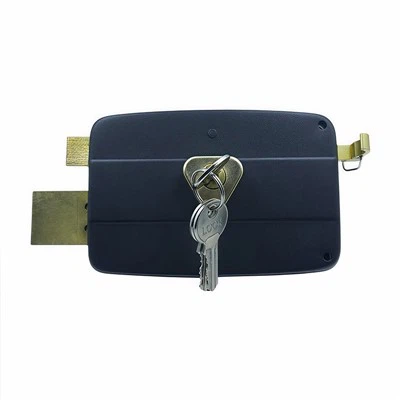
The lock mechanism of a self - locking door is a crucial component. You need to take steps to protect it from paint. Using painter's tape to cover the lock, handle, and any other hardware is essential. Make sure the tape is firmly pressed down to prevent paint from seeping under it. If possible, remove the lock and handle and paint them separately or have them powder - coated for a more professional finish.
3. Surface Preparation
Proper surface preparation is the key to a successful paint job. For wooden doors, sand the surface to smooth out any rough areas and to help the paint adhere better. For metal doors, clean the surface thoroughly to remove any dirt, grease, or rust. You may need to use a wire brush or sandpaper to remove rust spots before applying a primer.
4. Color Selection
Choose a color that complements the overall design of the building and your personal taste. Consider the color of the surrounding walls, the style of the architecture, and the function of the door. For example, if the door is an exterior door, you may want to choose a color that is fade - resistant and can withstand the sun's UV rays.
Steps to Paint a Self - Locking Door
1. Gather Supplies
You will need paint, primer (if required), paintbrushes, rollers, painter's tape, sandpaper, a drop cloth, and a cleaning solution. Make sure you have the right type and color of paint for your door material.
2. Prepare the Door
Remove any loose dirt or debris from the door surface. If it is a wooden door, sand it lightly with fine - grit sandpaper. For metal doors, use a degreaser to clean the surface and then sand any rusty areas. Tape off the lock, handle, and any other hardware you don't want to paint.
3. Apply Primer (if necessary)
Primer helps the paint adhere better and provides an extra layer of protection. Apply the primer evenly using a paintbrush or roller, following the manufacturer's instructions. Let the primer dry completely before applying the paint.
4. Paint the Door
Start by cutting in the edges of the door with a paintbrush. Then, use a roller to apply the paint to the larger areas. Apply thin, even coats of paint, allowing each coat to dry completely before applying the next one. Usually, two to three coats of paint are sufficient.


5. Remove the Tape and Reassemble
Once the paint is completely dry, carefully remove the painter's tape. If you removed the lock and handle, reinstall them.
Impact on the Self - Locking Function
One concern that customers often have is whether painting the door will affect the self - locking function. When done correctly, painting should not have a negative impact on the door's locking mechanism. However, it is important to ensure that no paint gets inside the lock cylinder or on the moving parts of the lock. If paint does get into the lock, it can cause the lock to jam or malfunction.
If you are unsure about painting the door yourself, you can always consult a professional painter or a locksmith. They have the experience and expertise to ensure that the door is painted properly without affecting the self - locking function.
Choosing the Right Locks for Your Painted Door
If you are considering upgrading or replacing the locks on your self - locking door after painting, we offer a variety of high - quality locks. You can check out our Round Door Lock, Quarter Turn Lock, and Wooden Door Lock options. These locks are designed to provide reliable security and are available in different styles and finishes to match your painted door.
Conclusion
In conclusion, painting a self - locking door is not only possible but can also be a great way to enhance its appearance and durability. By considering the door material, protecting the lock mechanism, and following the proper preparation and painting steps, you can achieve a beautiful and long - lasting paint job.
If you have any questions about self - locking doors, painting, or lock selection, or if you are interested in purchasing self - locking doors or locks from us, please feel free to contact us for more information and to start a procurement discussion. We are here to provide you with the best solutions for your door and lock needs.
References
- House Painting: A Comprehensive Guide. DIY Home Improvement Magazine.
- Metal Door Maintenance and Painting. Industrial Door Journal.
- Wooden Door Care and Painting. Interior Design Weekly.