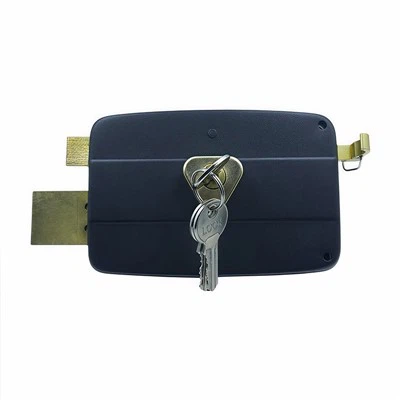
In the realm of modern security, self - locking doors have emerged as a popular choice for both residential and commercial properties. As a self - locking door supplier, I often encounter the question: Can a self - locking door be broken into easily? This blog post aims to delve into this query, exploring the factors that influence the security of self - locking doors and providing a comprehensive analysis.
Understanding Self - Locking Doors
Self - locking doors are designed to lock automatically when they are closed. This feature provides an added layer of security as it eliminates the possibility of human error, such as forgetting to lock the door. There are various types of self - locking mechanisms, including deadbolts, mortise locks, and rim locks. These locks work in different ways but share the common goal of keeping unwanted intruders out.
Factors Affecting the Security of Self - Locking Doors
Lock Quality
The quality of the lock is perhaps the most crucial factor in determining the security of a self - locking door. High - quality locks are made from durable materials such as hardened steel and are designed to resist picking, bumping, and drilling. For instance, deadbolts with a long throw and a heavy - duty strike plate can provide excellent security. On the other hand, low - quality locks may be easily compromised, even with basic tools. As a supplier, we offer a range of high - quality locks, including Hotel Locks, which are specifically designed for high - traffic areas and require a high level of security.
Door Material
The material of the door itself also plays a significant role in its resistance to break - ins. Solid wood, steel, and fiberglass doors are generally more secure than hollow core doors. Solid wood doors are sturdy and can withstand a certain amount of force, while steel doors are extremely strong and resistant to impact. Fiberglass doors offer a good balance between strength and aesthetics. A self - locking mechanism on a weak door may not be sufficient to prevent a break - in. For outdoor applications, our Outdoor Lock is paired with high - quality door materials to ensure maximum security.


Installation
Proper installation is essential for the effective functioning of a self - locking door. If the lock is not installed correctly, it may not engage properly or may be more vulnerable to attack. For example, if the strike plate is not securely attached to the door frame, an intruder may be able to force the door open by simply kicking it. Our team of experts ensures that all our self - locking doors are installed correctly, taking into account factors such as alignment and reinforcement.
Environmental Factors
Environmental factors can also affect the security of a self - locking door. For example, exposure to extreme weather conditions such as rain, snow, and heat can cause the door and lock to deteriorate over time. This can lead to weakened components and a higher risk of break - ins. Our Quarter Turn Lock is designed to be weather - resistant, ensuring long - term security even in harsh environments.
Common Methods of Breaking into Self - Locking Doors
Picking
Lock picking is a technique used by some intruders to open a lock without a key. This method involves manipulating the pins inside the lock to align them and allow the lock to turn. However, high - quality self - locking doors with advanced locking mechanisms are designed to resist picking. For example, some locks use anti - picking pins or other security features to prevent unauthorized access.
Bumping
Lock bumping is another common method of breaking into a lock. It involves using a specially designed key and a hammer to strike the key, causing the pins inside the lock to jump and align. While some older locks may be vulnerable to bumping, modern self - locking doors often have anti - bumping features to prevent this type of attack.
Forcing
Forcing a door open is a more brute - force method of breaking in. This can involve kicking, shoulder - checking, or using tools such as crowbars. The strength of the door and the quality of the lock play a crucial role in resisting this type of attack. As mentioned earlier, solid doors and high - quality locks are more likely to withstand forced entry.
How to Enhance the Security of Self - Locking Doors
Upgrade the Lock
One of the simplest ways to enhance the security of a self - locking door is to upgrade the lock. Consider installing a deadbolt with a high - security rating or a smart lock that offers additional features such as remote access and monitoring. Our range of locks includes advanced models that provide enhanced security and convenience.
Reinforce the Door
Reinforcing the door can also improve its resistance to break - ins. This can be done by adding a metal plate to the strike area, installing a security bar, or using a door brace. These measures can make it more difficult for an intruder to force the door open.
Use Additional Security Measures
In addition to the self - locking door, consider using other security measures such as security cameras, alarms, and motion sensors. These can act as a deterrent and provide an early warning in case of a break - in.
Conclusion
In conclusion, a self - locking door is not easily broken into if it is of high quality, properly installed, and paired with appropriate security measures. While no door is completely immune to break - ins, a well - designed and maintained self - locking door can provide a high level of security for your property. As a self - locking door supplier, we are committed to providing our customers with the best products and services to ensure their peace of mind.
If you are interested in purchasing self - locking doors or have any questions about our products, we encourage you to contact us for a procurement discussion. We look forward to working with you to enhance the security of your property.
References
- "Security Locks: A Guide to Choosing the Right Lock for Your Home" by Locksmith Association of America
- "Door Security: Best Practices for Residential and Commercial Properties" by National Institute of Building Sciences