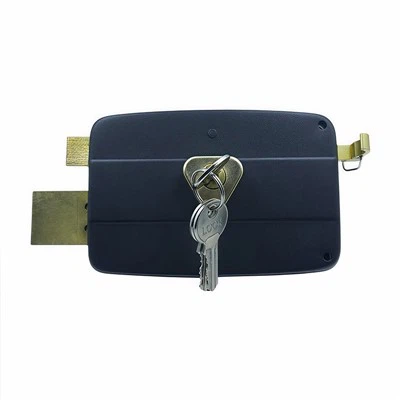
Can a garden shed lock withstand extreme temperatures?


As a supplier of garden shed locks, I've been asked this question countless times. It's a valid concern, especially for those living in regions with harsh climates. Extreme temperatures can have a significant impact on the performance and durability of locks, and it's crucial to understand how these factors affect your garden shed security.
The Impact of Extreme Temperatures on Locks
Let's start by exploring how extreme cold and hot temperatures can affect garden shed locks.
Cold Temperatures
In cold climates, the metal components of a lock can contract. This contraction can cause the lock mechanism to become stiff or even jam. Lubricants inside the lock can also thicken or freeze, further impeding the smooth operation of the lock. For example, if the temperature drops below freezing, and there's moisture inside the lock, it can freeze and expand, potentially damaging the internal components.
Moreover, repeated cycles of freezing and thawing can lead to corrosion. When water gets into the lock and freezes, it expands, creating tiny cracks in the metal. As the ice melts and refreezes, these cracks can grow, allowing more moisture to penetrate and accelerating the corrosion process.
Hot Temperatures
On the other hand, high temperatures can cause the metal to expand. This expansion can make the lock difficult to insert or turn the key. The heat can also degrade the lubricants, making them less effective at reducing friction within the lock mechanism. Over time, the constant expansion and contraction due to temperature fluctuations can weaken the lock's structure, leading to premature wear and tear.
In addition, prolonged exposure to high temperatures can cause the finish on the lock to fade or peel. This not only affects the aesthetic appeal of the lock but can also expose the underlying metal to the elements, increasing the risk of corrosion.
Types of Garden Shed Locks and Their Temperature Resistance
Now, let's take a look at some common types of garden shed locks and how they fare in extreme temperatures.
Side Door Lock
A Side Door Lock is a popular choice for garden sheds. These locks are typically made of metal, such as steel or brass. Steel locks are known for their strength and durability, but they can be more prone to corrosion in extreme temperatures, especially in humid conditions. Brass locks, on the other hand, are more resistant to corrosion but may be more expensive.
When it comes to temperature resistance, both steel and brass can handle a wide range of temperatures. However, they still require proper maintenance to ensure optimal performance. For example, applying a protective coating or lubricant can help prevent corrosion and keep the lock functioning smoothly in extreme cold or hot conditions.
Shed Lock
Shed Locks come in various styles and designs. Some are designed to be more weather-resistant than others. For instance, locks with a powder-coated finish provide an extra layer of protection against the elements, including extreme temperatures.
These locks often have a more robust construction, with thicker metal components that can better withstand the effects of temperature expansion and contraction. However, it's important to choose a shed lock that is specifically designed for outdoor use and has been tested for temperature resistance.
Quarter Turn Lock
Quarter Turn Locks are known for their simplicity and ease of use. They are typically used on shed doors that require a quick and convenient locking solution. These locks are usually made of metal or plastic, and their temperature resistance can vary depending on the material.
Metal quarter turn locks can handle a wider range of temperatures compared to plastic ones. Plastic locks may become brittle in cold temperatures or warp in hot temperatures, which can affect their functionality. It's important to choose a high-quality plastic lock that is designed to withstand temperature fluctuations if you opt for this type of lock.
Tips for Ensuring Your Garden Shed Lock Can Withstand Extreme Temperatures
Here are some tips to help your garden shed lock perform well in extreme temperatures:
- Choose the Right Lock: Select a lock that is specifically designed for outdoor use and has a high level of temperature resistance. Consider the climate in your area and choose a lock that can handle the expected temperature range.
- Proper Installation: Ensure that the lock is installed correctly. A poorly installed lock may not function properly, especially in extreme temperatures. Follow the manufacturer's instructions carefully or hire a professional to install the lock.
- Regular Maintenance: Clean and lubricate the lock regularly. This helps prevent corrosion and keeps the lock mechanism functioning smoothly. Use a high-quality lubricant that is suitable for use in extreme temperatures.
- Protect the Lock: Consider using a lock cover or housing to protect the lock from direct exposure to the elements. This can help reduce the impact of extreme temperatures and prolong the life of the lock.
Conclusion
In conclusion, while garden shed locks can be affected by extreme temperatures, with the right choice of lock and proper maintenance, they can withstand a wide range of conditions. As a supplier, I'm committed to providing high-quality locks that are designed to perform well in various climates.
If you're in the market for a garden shed lock that can handle extreme temperatures, I encourage you to explore our range of products. We offer a variety of locks, including Side Door Locks, Shed Locks, and Quarter Turn Locks, all of which are designed to provide reliable security for your garden shed.
If you have any questions or would like to discuss your specific requirements, please don't hesitate to contact us. We're here to help you find the perfect lock for your needs.
References
- "The Effects of Temperature on Metal Alloys" - Journal of Materials Science
- "Outdoor Lock Maintenance Guide" - Home Security Magazine
- "Choosing the Right Lock for Your Garden Shed" - DIY Home Improvement Journal