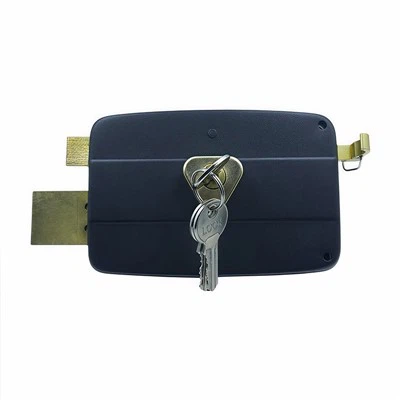
Hey there! As a wooden door lock supplier, I often get asked a bunch of questions from customers. One of the most common ones is, "Are wooden door locks waterproof?" It's a great question, and today, I'm gonna break it down for you.
First off, let's understand what it means for a lock to be waterproof. When we say a lock is waterproof, we mean it can resist water damage when exposed to moisture, rain, or even being submerged in water for a certain period. Water can cause all sorts of problems for locks, like rusting, corrosion, and malfunction.
Now, when it comes to wooden door locks, the answer isn't a simple yes or no. It depends on a few factors.
The Material of the Lock
Most wooden door locks are made from metals like brass, steel, or zinc alloy. Each of these materials has a different level of water resistance.
Brass is a popular choice for wooden door locks because it's durable and has a nice appearance. It has a relatively good resistance to corrosion, but it's not completely waterproof. Over time, if it's constantly exposed to water, it can develop a patina, which is a greenish - brown film on the surface. This patina doesn't necessarily mean the lock is malfunctioning, but it can affect its aesthetic appeal.
Steel locks are strong and can withstand a lot of wear and tear. However, steel is prone to rusting when it comes into contact with water. If the steel lock isn't properly coated or treated, water can quickly cause it to rust, which can lead to the lock jamming or not working at all.
Zinc alloy locks are lightweight and affordable. They have some level of water resistance, but they are also susceptible to corrosion if exposed to water for long periods.
The Design and Construction of the Lock
The way a wooden door lock is designed and constructed also plays a big role in its waterproof ability. Some locks have a more sealed design, which means they are better at keeping water out. For example, locks with rubber gaskets or O - rings around the edges can prevent water from seeping into the internal mechanisms of the lock.
On the other hand, locks with open designs or gaps are more likely to let water in. This can be a problem, especially in areas with high humidity or frequent rain.
The Installation of the Lock
How the lock is installed on the wooden door can affect its waterproof performance. If the lock is installed incorrectly, there may be gaps between the lock and the door, allowing water to get in. It's important to make sure the lock is properly aligned and tightened during installation. Also, using sealants around the edges of the lock can help improve its waterproofing.
Where the Lock is Used
The location where the wooden door lock is used is crucial. If the door is indoors, the lock is less likely to be exposed to water, so waterproofing may not be as big of a concern. However, if the door is outdoors, like on a patio or a shed, the lock will be exposed to the elements, including rain, snow, and humidity. In these cases, a more waterproof lock is necessary.
Let's take a look at some of the different types of wooden door locks we offer and their waterproof characteristics:


Push Bar Lock
The Push Bar Lock is a popular choice for commercial and industrial doors. These locks are often used on exit doors, and they need to be reliable, especially in emergency situations. Our push bar locks are designed with some level of water resistance. They are made from high - quality materials and have a sealed design to prevent water from getting into the internal components. However, if they are constantly submerged in water, they may still be at risk of damage.
Universal Door Lock
Our Universal Door Lock is a versatile option that can be used on various types of wooden doors. It's made from durable materials and has a good balance between strength and water resistance. The lock has a solid construction, and we've taken steps to minimize the risk of water damage. But again, it's not completely waterproof, and proper maintenance is still required.
Privacy Lock
The Privacy Lock is commonly used on bedroom and bathroom doors. While these doors are usually indoors, there can still be some moisture in the air, especially in bathrooms. Our privacy locks are designed to resist the effects of humidity. They have a smooth finish that helps prevent water from sticking to the surface, reducing the risk of corrosion.
So, are wooden door locks waterproof? Well, in general, most wooden door locks are not completely waterproof. But with the right choice of materials, design, installation, and maintenance, you can significantly improve their water resistance.
If you're looking for a wooden door lock for an outdoor or high - moisture area, I recommend choosing a lock with a sealed design and made from corrosion - resistant materials. You can also consider applying a waterproof coating to the lock to provide an extra layer of protection.
Maintenance is also key. Regularly cleaning and lubricating the lock can help keep it in good working condition and prevent water - related damage. If you notice any signs of rust or corrosion, it's important to address them as soon as possible.
If you're interested in our wooden door locks, whether it's the Push Bar Lock, Universal Door Lock, or Privacy Lock, we'd love to have a chat with you. We can discuss your specific needs, recommend the best lock for your situation, and provide you with all the information you need to make an informed decision. Feel free to reach out to us for more details and let's start a conversation about your door lock requirements.
References
- "Handbook of Door Hardware" by Hardware Manufacturers Association
- "Materials Science for Engineers" by J. F. Shackelford