Hey there! As a supplier of small cylinder locks, I often get asked if there are any special tools needed to install these locks. Well, let's dive right into it and find out.
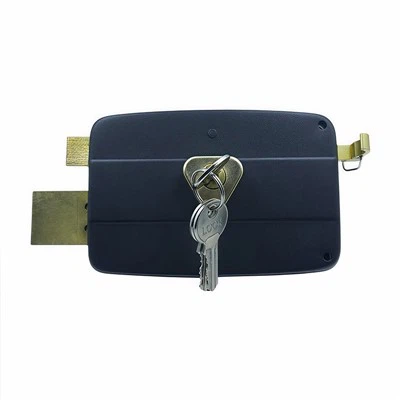
First off, what exactly is a small cylinder lock? It's a type of lock that's commonly used in various applications, like on doors of small cabinets, sheds, and even some residential doors. They are compact, easy to use, and provide a decent level of security.
Now, when it comes to installing a small cylinder lock, the good news is that you don't usually need a whole bunch of fancy or specialized tools. In most cases, you can get the job done with a basic set of tools that you might already have lying around in your toolbox.
One of the essential tools you'll need is a screwdriver. Depending on the type of screws used in the lock, you might need a Phillips - head or a flat - head screwdriver. The screws are used to attach the lock to the door or the surface where it'll be installed. Make sure the screwdriver fits the screws properly, or you might end up stripping the screw heads, which can be a real pain.
Another tool that comes in handy is a drill. If you're installing the lock on a door that doesn't already have pre - drilled holes, you'll need to drill them yourself. A power drill is the easiest option, but a hand drill can also work if you don't have access to a power one. You'll want to use the right size drill bit for the screws that come with the lock. Usually, the lock's installation instructions will tell you what size drill bit to use.
A tape measure is also crucial. You need to make sure you're installing the lock at the right height and in the right position on the door. Measure twice, cut (or drill) once, as they say. This will ensure that the lock lines up properly with the strike plate on the door frame, so it functions smoothly.
A chisel can be useful too, especially if you need to create a recess for the lock or the strike plate. This is more common when installing locks on wooden doors. You'll want to be careful when using a chisel to avoid damaging the door.
Let's talk about some of the different types of small cylinder locks and their installation requirements. For example, if you're looking at House Locks, these are often installed on the surface of the door. The installation process is relatively straightforward. You just need to align the lock with the pre - marked holes (or drill new ones if necessary) and secure it with screws.


Shed Lock installation is similar, but since sheds are often made of different materials like wood, metal, or plastic, you might need to adjust your tools and techniques accordingly. For metal sheds, you might need a drill bit designed for metal, and for plastic, you'll want to be extra careful not to crack the material.
Quarter Turn Lock installation can be a bit different. These locks are designed to be turned a quarter - turn to lock and unlock. They often require a more precise installation to ensure that the turning mechanism works smoothly. You'll still need the basic tools like a screwdriver, drill, and tape measure, but you might need to pay extra attention to the alignment.
In some cases, you might also need a file. If the holes you've drilled are a bit rough or if the edges of the lock or strike plate need to be smoothed out, a file can help you get a better fit.
Now, while these are the main tools you'll typically need, there are some additional things to keep in mind. Always read the installation instructions that come with the lock carefully. They are there for a reason and can save you a lot of headaches. Also, if you're not confident in your DIY skills, it might be worth hiring a professional locksmith to do the installation for you.
One thing I'd like to stress is the importance of using high - quality tools. Using cheap or worn - out tools can make the installation process more difficult and might even lead to a poorly installed lock. Invest in good quality screwdrivers, drills, and other tools, and they'll serve you well for many lock installations to come.
If you're in the market for small cylinder locks, we've got a great selection. Our locks are made from high - quality materials and are designed to provide reliable security. Whether you need a lock for your house, shed, or a small cabinet, we've got you covered.
We understand that every customer's needs are different, and we're here to help you find the perfect lock for your situation. If you have any questions about the installation process or which lock is right for you, don't hesitate to reach out. We're more than happy to assist you with your lock - buying and installation needs.
In conclusion, while you don't need a ton of special tools to install a small cylinder lock, having the right basic tools is essential. With a little bit of preparation and the right tools in hand, you can install a small cylinder lock like a pro. So, if you're thinking about upgrading your security with a new small cylinder lock, go ahead and give it a try. And if you need to purchase one, we're here to be your go - to supplier.
References
- General knowledge about lock installation from years of experience in the small cylinder lock supply business.
- Manufacturer's installation guides for various small cylinder locks.