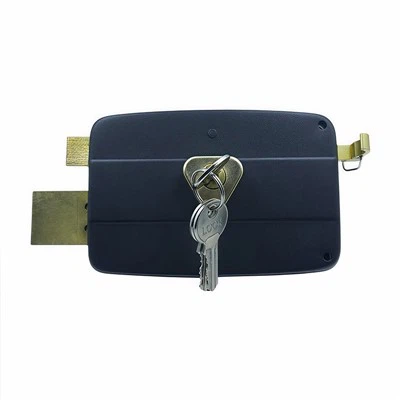
Are there any hotel locks that can be used in shared accommodation spaces?
In recent years, the popularity of shared accommodation spaces, such as Airbnb rentals, co - living apartments, and student dormitories, has skyrocketed. With this growth comes the need for reliable and secure locking solutions. As a hotel locks supplier, I've been frequently asked whether our hotel locks can be adapted for use in these shared settings. The answer is a resounding yes, and in this blog, I'll delve into the types of hotel locks that are well - suited for shared accommodation spaces, their benefits, and how they can enhance the overall security and user experience.
Types of Hotel Locks Suitable for Shared Accommodation
1. Push Lock
The Push Lock is a simple yet effective solution for shared accommodation. It operates on a straightforward principle: a simple push action is all it takes to lock the door. This type of lock is extremely user - friendly, making it ideal for guests who may not be familiar with complex locking mechanisms.
For shared accommodation owners, the push lock offers an added layer of security. It can be easily installed on various types of doors, including wooden, metal, and composite doors. Its design is also quite robust, which means it can withstand the wear and tear associated with high - traffic areas. Additionally, the push lock can be integrated with other security features, such as a master key system, allowing the property owner to have greater control over access to the shared space.
2. Universal Door Lock
The Universal Door Lock is another excellent option for shared accommodation. As the name suggests, it is designed to be compatible with a wide range of door types and sizes. This versatility makes it a popular choice for shared living spaces where there may be different door configurations.
One of the key advantages of the universal door lock is its flexibility. It can be adjusted to fit different door thicknesses, which is particularly useful in older buildings where door specifications may vary. Moreover, it offers multiple locking options, such as key - operated, card - operated, or keypad - operated locks. This allows the property owner to choose the most suitable access control method based on their specific needs and the preferences of their guests. For example, in a student dormitory, a keypad - operated universal door lock might be more convenient as students can easily remember their access codes.
3. Push Bar Lock
The Push Bar Lock is commonly used in commercial settings but is also highly applicable to shared accommodation, especially in areas where quick and easy egress is required. In shared living spaces, safety is of utmost importance, and the push bar lock provides a reliable solution for emergency exits.


When a person presses the push bar, the door unlocks immediately, allowing for a fast and safe exit in case of an emergency. This type of lock is also very durable and can handle a large number of uses. It is often used in common areas such as hallways and stairwells in shared accommodation buildings. Additionally, the push bar lock can be combined with electronic access control systems, enabling property owners to monitor who enters and exits the building at all times.
Benefits of Using Hotel Locks in Shared Accommodation
1. Enhanced Security
One of the primary benefits of using hotel - grade locks in shared accommodation is the enhanced security they provide. Hotel locks are designed to meet strict security standards, which means they are more resistant to picking, bumping, and other forms of forced entry compared to standard residential locks. This gives both property owners and guests peace of mind knowing that their belongings and personal safety are better protected.
2. Improved Access Control
Hotel locks offer a high level of access control. Property owners can easily manage who has access to different areas of the shared accommodation. For example, they can issue unique access cards or codes to each guest, and revoke access once the guest's stay is over. This reduces the risk of unauthorized access and helps maintain a secure environment.
3. Durability
Shared accommodation spaces typically experience a high volume of traffic, which can take a toll on ordinary locks. Hotel locks are built to be more durable, with high - quality materials and robust construction. They can withstand the constant opening and closing of doors, as well as the general wear and tear associated with shared living, ensuring long - term reliability.
4. Aesthetic Appeal
In addition to their functional benefits, hotel locks often have a sleek and modern design that can enhance the overall aesthetic of the shared accommodation. This is particularly important in today's market, where guests are often looking for well - presented and stylish living spaces. A high - quality lock can add a touch of sophistication to the doors and make a positive impression on guests.
Considerations When Choosing Hotel Locks for Shared Accommodation
1. Cost
When selecting hotel locks for shared accommodation, cost is an important consideration. Property owners need to balance the level of security and features they require with their budget. While hotel - grade locks may be more expensive than standard locks, the long - term benefits in terms of security and durability often justify the investment.
2. Compatibility
It's crucial to ensure that the chosen lock is compatible with the existing door infrastructure. Different doors have different requirements, and a lock that fits one type of door may not work for another. Before making a purchase, property owners should measure their doors carefully and consult with a professional if necessary.
3. Ease of Use
Guests in shared accommodation come from diverse backgrounds and may have varying levels of technical proficiency. Therefore, it's important to choose locks that are easy to use. Complicated locking mechanisms may lead to frustration among guests and could potentially compromise security if guests find ways to bypass the lock due to difficulty in operation.
4. Maintenance
Regular maintenance is essential to keep hotel locks in good working condition. Property owners should consider the maintenance requirements of the locks they choose. Some locks may require more frequent servicing, while others are relatively low - maintenance.
Conclusion
In conclusion, there are several types of hotel locks that are well - suited for use in shared accommodation spaces. The push lock, universal door lock, and push bar lock all offer unique advantages in terms of security, access control, durability, and aesthetic appeal. By choosing the right hotel lock, property owners can enhance the safety and comfort of their shared accommodation, as well as improve the overall guest experience.
If you're a property owner looking for high - quality hotel locks for your shared accommodation, I encourage you to get in touch with us. We have a wide range of locking solutions to meet your specific needs, and our team of experts can provide you with professional advice and support. Whether you're managing a small Airbnb rental or a large co - living complex, we can help you find the perfect lock for your property. Let's work together to create a secure and inviting shared living environment.
References
- "Security Standards for Hotel Locks," International Association of Hospitality Security.
- "Access Control Systems in Shared Living Spaces," Journal of Property Management.
- "Durability of Locks in High - Traffic Areas," Locksmithing and Security Research Institute.