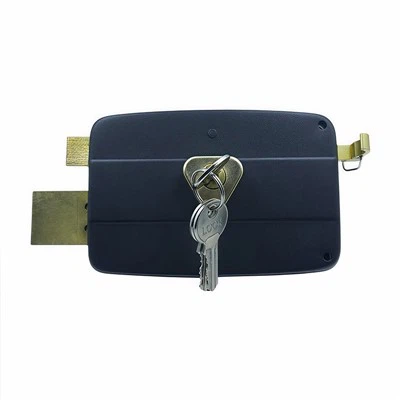
Hey there! As a supplier of small door locks, I often get asked some interesting questions from customers. One question that has popped up more frequently lately is, "Are small door locks insect - proof?" Let's dig into this topic and find out the real deal.
First off, let's understand what we mean by "insect - proof." When we say a door lock is insect - proof, we're talking about its ability to prevent insects from getting through the areas around the lock and into the space behind the door. Insects can be a real nuisance, from pesky flies and mosquitoes to creepy - crawly ants and spiders. They can carry diseases, damage food, and just generally make our living or working spaces unpleasant.
Now, small door locks come in all shapes and sizes. There are deadbolts, knob locks, and rim locks, to name a few. The idea that a small door lock can be insect - proof might seem a bit far - fetched at first. After all, locks are mainly designed to keep people out, not bugs. But there are some aspects of small door locks that can contribute to an insect - resistant environment.
Let's start with the physical design of the lock. A well - installed small door lock can create a tight seal around the door. When the lock is engaged, it pulls the door tightly against the frame. This reduces the gaps between the door and the frame where insects could potentially sneak through. For example, a deadbolt lock that fits snugly into the strike plate can minimize the space for insects to enter.
However, it's important to note that not all small door locks are created equal. Some cheaper locks might not have a precise fit, leaving small gaps that insects can exploit. That's why it's crucial to choose a high - quality lock. As a supplier, I can vouch for the fact that investing in a good lock can make a big difference not only in security but also in keeping insects at bay.
Another factor to consider is the material of the lock. Some materials are more durable and less likely to warp or crack over time. For instance, metal locks are generally more robust than plastic ones. A metal lock will maintain its shape better, ensuring that the seal around the door remains intact. Warped or cracked locks can create openings for insects, so choosing the right material is key.
Now, let's talk about the different types of small door locks and their potential to be insect - proof.
Universal Door Lock
The Universal Door Lock is a popular choice among customers. It's designed to fit a wide range of doors, which means it can be used in various settings. This type of lock often has a solid construction that can help in creating a tight seal. The universal design allows for a good fit, reducing the chances of insects finding their way through the gaps. However, proper installation is crucial. If it's not installed correctly, even a high - quality universal door lock might not be as effective in keeping insects out.
Hotel Locks
Hotel Locks are typically more advanced in terms of security features. They are often used in high - traffic areas where security is a top priority. These locks are usually well - made and can provide a tight seal. Hotels need to keep their rooms free of insects to ensure a comfortable stay for guests. A good hotel lock can contribute to this by preventing insects from entering the rooms. The locking mechanism in hotel locks is often more precise, which helps in maintaining a proper seal around the door.
Wooden Door Lock
Wooden Door Lock can also play a role in insect prevention. Wood is a natural material, and when paired with a well - designed lock, it can create a warm and inviting yet insect - resistant environment. However, wood can be prone to swelling or shrinking depending on the humidity levels. This can affect the fit of the lock. It's important to choose a wooden door lock that is designed to accommodate these changes and still maintain a good seal.
But here's the thing: no small door lock can be completely insect - proof on its own. There are other factors at play, such as the condition of the door and the surrounding environment. A door with a lot of scratches or dents might have gaps that no lock can fully close. And if there are a lot of insects outside, they might find other ways to get into the building, like through open windows or vents.
To enhance the insect - proofing capabilities of a small door lock, there are some additional steps you can take. For example, installing weatherstripping around the door can further reduce the gaps. Weatherstripping is a flexible material that seals the edges of the door, providing an extra layer of protection against insects. You can also use door sweeps at the bottom of the door to block insects from entering through the gap between the door and the floor.
In conclusion, while small door locks can contribute to an insect - resistant environment, they are not a foolproof solution. A high - quality, well - installed lock can reduce the chances of insects getting through the areas around the lock. But it's important to consider the overall condition of the door and take additional measures like using weatherstripping and door sweeps.
If you're in the market for a small door lock, whether it's a Universal Door Lock, Hotel Locks, or Wooden Door Lock, I'm here to help. I can provide you with the best options based on your needs and budget. Don't hesitate to reach out if you have any questions or if you're interested in discussing a potential purchase. I'd love to work with you to find the perfect lock for your door.


References
- "The Science of Door Locks" - Locksmith Journal
- "Materials and Durability of Door Locks" - Building Materials Research