Hey there! As a supplier of Self Locking Doors, I often get asked a bunch of questions. One query that pops up quite a bit is, "Are self - locking doors soundproof?" Let's dig into this topic and find out.
First off, let's understand what self - locking doors are. A Self Locking Door is a door that automatically locks when it closes. It's super convenient, especially in places where you want to ensure security without having to remember to lock the door manually every time. These doors usually come with a special mechanism that engages as soon as the door shuts. They're used in a variety of settings, from residential homes to commercial buildings.


Now, onto the big question: soundproofing. Soundproofing is all about reducing the amount of sound that passes through a door. There are a few factors that determine how soundproof a door can be.
Material Matters
The material of the door plays a huge role in its soundproofing capabilities. Self - locking doors can be made from different materials, each with its own pros and cons when it comes to blocking sound.
Wooden self - locking doors are quite common. Wood has some natural sound - absorbing properties. It can dampen low - frequency sounds to a certain extent. However, the thickness and type of wood matter a lot. Solid wood doors are generally better at soundproofing than hollow - core ones. A thick, solid oak self - locking door will do a much better job at keeping noise out compared to a thin, hollow - core pine door.
Metal self - locking doors, on the other hand, are known for their strength and security. But when it comes to soundproofing, they can be a bit tricky. Metal is a good conductor of sound, so it can easily transmit noise through it. However, if the metal door is well - insulated with materials like foam or fiberglass, it can significantly improve its soundproofing performance.
Another option is composite self - locking doors. These doors are made by combining different materials to get the best of both worlds. They can be designed to have excellent soundproofing properties while also being durable and secure.
Sealing Is Key
Even the best - made door won't be very soundproof if it doesn't have proper seals. A self - locking door needs to have a tight seal around its edges to prevent sound from leaking in or out.
Weatherstripping is a common solution for improving the seal of a door. It's a flexible material that is installed around the door frame to create a barrier between the door and the frame. There are different types of weatherstripping, such as rubber, foam, and vinyl. Rubber weatherstripping is often a good choice as it's durable and can provide a tight seal.
Door sweeps are also important. They are installed at the bottom of the door to block the gap between the door and the floor. A good door sweep can prevent a lot of sound from entering or leaving the room.
The Locking Mechanism
You might be wondering how the locking mechanism affects soundproofing. Well, a poorly designed locking mechanism can actually create small gaps in the door, allowing sound to seep through.
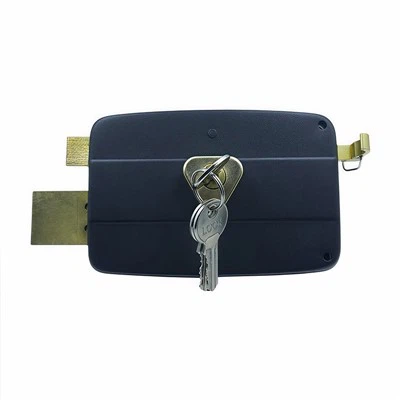
A high - quality locking mechanism is essential for a soundproof self - locking door. It should fit snugly and not leave any spaces for sound to escape. For example, a Universal Door Lock that is properly installed and adjusted can help maintain the integrity of the door's seal. Some locks are designed with additional features to improve soundproofing, such as gaskets or rubber inserts.
Real - World Scenarios
Let's look at some real - world situations where the soundproofing of self - locking doors matters.
In a residential setting, a soundproof self - locking door can be a game - changer. If you have a home office or a bedroom next to a noisy street or a busy living area, a soundproof door can help you create a quiet and peaceful space. You can focus on your work or get a good night's sleep without being disturbed by outside noise.
In a commercial building, soundproof self - locking doors are also crucial. For example, in an office environment, they can prevent the noise from the common areas from disturbing employees in private offices. In a hotel, soundproof doors can enhance the guest experience by providing a quiet and comfortable room.
Testing the Soundproofing
So, how can you tell if a self - locking door is soundproof? One way is to look at its Sound Transmission Class (STC) rating. The STC rating measures how well a door can block sound. The higher the STC rating, the better the soundproofing.
For most residential applications, an STC rating of 30 - 35 is considered good. This means that the door can significantly reduce the amount of sound that passes through it. For commercial or high - noise environments, you might want a door with an STC rating of 40 or higher.
You can also do a simple test at home. Close the door and stand on one side while someone makes noise on the other side. Listen carefully to see how much sound you can hear. If you can barely hear the noise, then the door is doing a good job at soundproofing.
Our Self - Locking Doors
As a supplier of self - locking doors, we take soundproofing seriously. Our doors are designed with high - quality materials and excellent sealing mechanisms to provide the best possible soundproofing.
We offer a variety of self - locking doors to suit different needs and budgets. Whether you're looking for a wooden door for your home or a metal door for a commercial building, we've got you covered. Our Small Door Lock options are also available for those who need a more compact solution.
If you're in the market for a soundproof self - locking door, we'd love to talk to you. We can help you choose the right door based on your specific requirements and provide you with all the information you need.
Conclusion
So, are self - locking doors soundproof? The answer is, it depends. The material, sealing, locking mechanism, and other factors all play a role in determining how well a self - locking door can block sound. But with the right design and features, a self - locking door can be an effective way to reduce noise and create a more peaceful environment.
If you're interested in learning more about our self - locking doors or have any questions about soundproofing, don't hesitate to reach out. We're here to help you make the best choice for your soundproofing needs.
References
- "Building Acoustics: Noise Control in Buildings" by Cyril M. Harris
- "The Handbook of Noise and Vibration Control" by Malcolm J. Crocker