Are quarter turn locks compliant with building codes? This is a question that many architects, contractors, and building owners often ask. As a supplier of quarter turn locks, I am frequently involved in discussions about the compliance of these locks with various building regulations. In this blog, I will delve into the details of building codes related to quarter turn locks, explore the factors that determine their compliance, and provide insights for those considering using these locks in their projects.
Understanding Building Codes
Building codes are sets of regulations that govern the design, construction, and maintenance of buildings. These codes are established to ensure the safety, health, and welfare of the occupants. They cover a wide range of aspects, including structural integrity, fire safety, accessibility, and security. When it comes to door locks, building codes typically specify requirements regarding the type of lock, its installation, and its functionality.
One of the key considerations in building codes is the ability to exit a building quickly and safely in case of an emergency. This is particularly important in public buildings, such as schools, hospitals, and commercial establishments. As a result, many building codes require that doors be equipped with panic hardware or other types of locks that can be easily opened from the inside without the use of a key.
Quarter Turn Locks: An Overview
Quarter turn locks are a type of lock that can be opened by rotating the locking mechanism a quarter of a turn. They are commonly used on doors, windows, and cabinets. These locks are known for their simplicity, durability, and ease of use. They can be operated with a key, a handle, or a thumb turn, depending on the design.
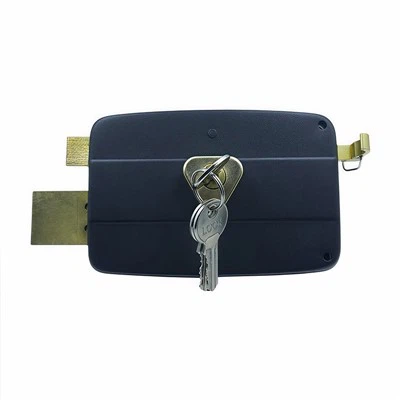
There are several types of quarter turn locks available in the market, including rim locks, mortise locks, and cam locks. Rim locks are installed on the surface of the door, while mortise locks are installed inside the door. Cam locks are often used on cabinets and other small enclosures.
Compliance with Building Codes
The compliance of quarter turn locks with building codes depends on several factors. One of the most important factors is the type of building and its intended use. For example, in a residential building, the requirements for door locks may be less stringent compared to a commercial building. In a commercial building, especially one that is open to the public, the locks must meet higher standards of safety and security.
Another factor to consider is the location of the door. Doors that lead to exits, such as emergency exits and fire exits, are subject to more strict regulations. These doors must be equipped with locks that can be easily opened from the inside, even in the dark or under stress. Quarter turn locks that can be operated without a key from the inside are often preferred for these types of doors.
In addition, building codes may specify requirements regarding the strength and durability of the locks. The locks must be able to withstand a certain amount of force without breaking or malfunctioning. This is important to prevent unauthorized entry and to ensure the security of the building.
Types of Quarter Turn Locks and Their Compliance
Let's take a closer look at some of the common types of quarter turn locks and their compliance with building codes.
Rim Locks
Rim locks are one of the most popular types of quarter turn locks. They are easy to install and can be used on a variety of doors. Some rim locks, such as the Push Door Lock, are designed to be easily opened from the inside with a push of a button or a lever. These locks are often compliant with building codes for emergency exits, as they allow for quick and easy egress.
The Universal Door Lock is another type of rim lock that offers versatility and security. It can be used on both interior and exterior doors and can be configured to meet different building code requirements.
Mortise Locks
Mortise locks are more complex and are typically used on higher-end doors. They are installed inside the door, providing a more secure and aesthetically pleasing solution. Mortise quarter turn locks can be designed to meet strict building code requirements, especially in terms of strength and durability.
Cam Locks
Cam locks are commonly used on cabinets, toolboxes, and other small enclosures. While they may not be subject to the same building code requirements as door locks, they still need to provide a certain level of security. Some cam locks can be used in conjunction with other locking mechanisms to enhance the security of a building.
Ensuring Compliance
As a quarter turn lock supplier, I understand the importance of ensuring that our products comply with building codes. We work closely with architects, contractors, and building owners to provide them with the right locks for their projects. Here are some steps that can be taken to ensure compliance:


- Research the Building Codes: Before selecting a quarter turn lock, it is essential to research the specific building codes that apply to the project. This may involve consulting with local building authorities or reviewing the relevant code documents.
- Choose the Right Lock: Based on the building code requirements, choose a quarter turn lock that meets the necessary standards. Consider factors such as the type of building, the location of the door, and the level of security required.
- Proper Installation: Ensure that the lock is installed correctly by a qualified professional. Improper installation can compromise the security and functionality of the lock, and may also result in non-compliance with building codes.
- Regular Maintenance: Regular maintenance of the locks is important to ensure their continued compliance. This may include lubricating the locking mechanism, checking for wear and tear, and replacing any damaged parts.
Conclusion
In conclusion, quarter turn locks can be compliant with building codes if they are selected, installed, and maintained correctly. As a supplier of quarter turn locks, I am committed to providing high-quality products that meet the diverse needs of our customers. Whether you are building a residential home, a commercial office, or a public facility, we can help you find the right lock for your project.
If you are interested in learning more about our quarter turn locks or have any questions about building code compliance, please feel free to contact us. We are here to assist you with your procurement needs and to ensure that your project meets all the necessary regulations.
References
- International Building Code (IBC)
- National Fire Protection Association (NFPA) codes
- Local building regulations and ordinances