Are Push Bar Locks Energy - Efficient?
As a supplier of Push Bar Locks, I've been frequently asked about the energy - efficiency of these locks. In this blog, I'll delve into the topic, exploring the relationship between push bar locks and energy consumption, and how they can contribute to an energy - efficient building environment.
Understanding Push Bar Locks
Push bar locks, also known as panic bars or crash bars, are commonly used on emergency exit doors in commercial and public buildings. Their primary function is to provide a quick and easy way to exit a building in case of an emergency. When a person pushes on the bar, the lock mechanism releases, allowing the door to open.
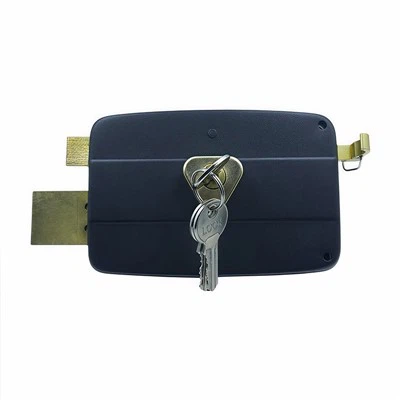
These locks are available in various designs and configurations to suit different door types and security requirements. They are often used in combination with other security features such as alarms and access control systems. The Push Door Lock is a popular type of push bar lock that offers both security and ease of use.
Energy - Efficiency and Building Envelope
To understand the energy - efficiency of push bar locks, we first need to look at the concept of the building envelope. The building envelope is the physical separator between the interior and exterior of a building, including the walls, roof, windows, and doors. A well - sealed building envelope helps to reduce heat transfer, which in turn reduces the energy required for heating and cooling.
Doors are an important part of the building envelope. A poorly sealed door can allow air leakage, which can lead to significant energy losses. In fact, according to the U.S. Department of Energy, air leakage through doors and windows can account for up to 30% of a building's heating and cooling energy consumption.
How Push Bar Locks Affect Energy Efficiency
Sealing Performance
One of the key factors in determining the energy - efficiency of a push bar lock is its sealing performance. A high - quality push bar lock should be designed to provide a tight seal around the door when it is closed. This helps to prevent air leakage and reduce heat transfer.
Many modern push bar locks are equipped with gaskets and weatherstripping to improve their sealing performance. These materials are designed to create a barrier between the door and the frame, preventing air and moisture from entering or escaping the building. For example, some push bar locks use silicone gaskets that are resistant to compression set and can maintain their sealing properties over time.
Insulation Properties
In addition to sealing performance, the insulation properties of the push bar lock itself can also affect energy efficiency. Some push bar locks are made from materials with high thermal resistance, such as aluminum or stainless steel with insulating cores. These materials help to reduce heat transfer through the lock, further improving the energy - efficiency of the door.
For instance, a push bar lock with an insulating core can act as a thermal break, preventing heat from being conducted through the metal components of the lock. This can be particularly beneficial in buildings located in regions with extreme temperatures.
Impact on Door Operation
The way a push bar lock affects door operation can also have an impact on energy efficiency. A well - designed push bar lock should allow the door to open and close smoothly and easily, without any excessive force or resistance. This helps to ensure that the door can be properly sealed when closed, reducing air leakage.
On the other hand, a push bar lock that is difficult to operate may cause the door to be left slightly ajar, which can lead to significant energy losses. For example, if a door is not fully closed due to a faulty push bar lock, air can leak in or out of the building, increasing the load on the heating and cooling systems.
Case Studies: Energy Savings with Push Bar Locks
To illustrate the energy - saving potential of push bar locks, let's look at some real - world case studies.
Commercial Office Building
A commercial office building in a cold climate region replaced its old, poorly sealed exit doors with new doors equipped with high - quality push bar locks. The new push bar locks were designed with advanced sealing gaskets and insulating materials. After the installation, the building's management noticed a significant reduction in heating costs.
The energy audit showed that the air leakage through the exit doors was reduced by over 50%. This reduction in air leakage led to a corresponding decrease in the energy required for heating, resulting in annual energy savings of approximately 15%.
School Building
A school building in a hot climate region upgraded its emergency exit doors with push bar locks that had improved insulation properties. The new locks helped to reduce heat transfer through the doors, which in turn reduced the load on the air - conditioning system.


As a result, the school was able to save on cooling energy costs. The energy savings were estimated to be around 12% per year, which translated into significant cost savings for the school district.
Considerations for Choosing Energy - Efficient Push Bar Locks
When choosing push bar locks for your building, there are several factors to consider to ensure energy efficiency.
Quality and Durability
Invest in high - quality push bar locks that are built to last. A durable lock will maintain its sealing and insulation properties over time, providing long - term energy savings. Look for locks that are made from high - quality materials and have a good reputation for reliability.
Compatibility with Door and Building
Make sure the push bar lock is compatible with the type of door and the building's design. The lock should fit properly and work well with the door's hardware and frame. A poorly fitting lock can lead to air leakage and reduced energy efficiency.
Energy - Efficiency Ratings
Some push bar locks may have energy - efficiency ratings or certifications. Look for locks that meet or exceed industry standards for energy performance. These ratings can help you compare different products and choose the most energy - efficient option for your building.
Conclusion
In conclusion, push bar locks can play an important role in improving the energy efficiency of a building. By providing a tight seal, reducing heat transfer, and ensuring smooth door operation, high - quality push bar locks can help to reduce energy consumption and lower heating and cooling costs.
If you're interested in improving the energy efficiency of your building with push bar locks, I encourage you to contact me for more information. We offer a wide range of push bar locks, including the Side Door Lock and Self Locking Door, that are designed to meet your energy - efficiency and security needs. Let's start a conversation about how we can work together to make your building more energy - efficient.
References
- U.S. Department of Energy. (n.d.). Energy Efficiency & Renewable Energy. Retrieved from official DOE website.
- Building Energy Codes Program. (n.d.). Best Practices for Energy - Efficient Building Envelopes.