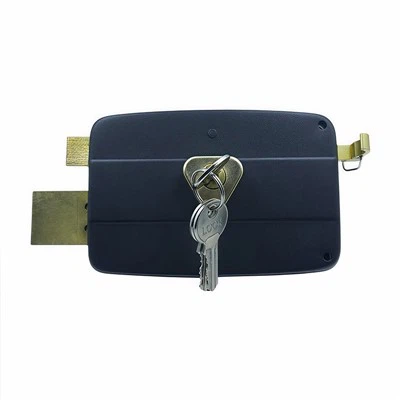
Are Push Bar Door Locks Weather-Resistant?
As a supplier of push bar door locks, I often get asked about the weather resistance of these essential security devices. Push bar door locks are widely used in commercial and industrial settings, as well as in some residential applications, due to their convenience and safety features. However, when it comes to outdoor use or areas exposed to the elements, the question of weather resistance becomes crucial.
Understanding Push Bar Door Locks
Before delving into the weather resistance aspect, let's briefly understand what push bar door locks are. A push bar door lock, also known as a panic bar or crash bar, is a type of locking mechanism that allows for quick and easy exit from a building in case of an emergency. It typically consists of a horizontal bar that, when pushed, releases the door latch, enabling the door to open. These locks are designed to meet safety codes and regulations, ensuring that people can evacuate a building rapidly without the need to fumble with keys.
Factors Affecting Weather Resistance
Several factors determine the weather resistance of push bar door locks. The first and most obvious is the material used in their construction. Common materials for push bar door locks include stainless steel, aluminum, and brass.
- Stainless Steel: Stainless steel is a popular choice for outdoor applications because of its excellent corrosion resistance. It contains chromium, which forms a protective oxide layer on the surface, preventing rust and other forms of corrosion. High - quality stainless steel push bar door locks can withstand harsh weather conditions, including rain, snow, and extreme temperatures. They are also resistant to saltwater corrosion, making them suitable for coastal areas.
- Aluminum: Aluminum is lightweight and relatively corrosion - resistant. It is often coated with a protective finish to enhance its weather resistance. However, aluminum may not be as durable as stainless steel in extremely harsh environments. Over time, the protective coating may wear off, leaving the aluminum vulnerable to corrosion.
- Brass: Brass is an alloy of copper and zinc and has good corrosion resistance. It has an attractive appearance and is often used in more decorative applications. However, brass may require more maintenance to keep its appearance in outdoor settings. It can develop a patina over time, which some people find appealing, but it may also indicate some level of corrosion.
Another factor is the design of the lock. A well - designed push bar door lock will have seals and gaskets to prevent water and moisture from entering the lock mechanism. These seals can help protect the internal components from rust and damage. Additionally, the lock should be properly installed to ensure that it is protected from the elements. For example, if the lock is installed in a location where water can pool around it, it is more likely to suffer from water damage.
Testing for Weather Resistance
Manufacturers of push bar door locks often conduct various tests to determine their weather resistance. These tests can include salt spray tests, where the lock is exposed to a saltwater mist for a specified period to simulate coastal conditions. Other tests may involve exposing the lock to extreme temperatures, high humidity, and rain to evaluate its performance.
When choosing a push bar door lock for outdoor use, it is important to look for locks that have been tested and certified for weather resistance. Look for locks that meet industry standards such as ASTM (American Society for Testing and Materials) or ANSI (American National Standards Institute) standards for weather resistance.
Applications and Weather Resistance
Push bar door locks are used in a variety of applications, and the required level of weather resistance can vary depending on the location.
-
Commercial Buildings: In commercial buildings, push bar door locks are commonly used on exit doors. If these doors open to the outside, they need to be weather - resistant. For example, a retail store with an exit door facing the street will require a lock that can withstand daily exposure to rain, sunlight, and temperature changes. Outdoor Lock options are available that are specifically designed for such applications.
-
Industrial Facilities: Industrial facilities often have large exit doors that are exposed to harsh weather conditions. These doors may be opened and closed frequently, and the locks need to be durable and weather - resistant. For example, a manufacturing plant in a coastal area will need locks that can withstand saltwater corrosion.
-
Residential Applications: In some residential settings, push bar door locks may be used on patio doors or garage doors. While the weather conditions in a residential area may not be as extreme as in commercial or industrial settings, the locks still need to be able to withstand normal weather exposure. Self Locking Door Lock options can be a good choice for residential outdoor doors.
-
Sheds and Storage Buildings: Push bar door locks are also used on sheds and storage buildings. These structures are often located outdoors and may not have the same level of protection as a main building. Shed Lock options are available that are designed to be weather - resistant and provide security for these smaller structures.
Maintenance for Weather - Resistant Push Bar Door Locks
Even the most weather - resistant push bar door locks require some maintenance to ensure their long - term performance. Regular cleaning is important to remove dirt, debris, and salt deposits that can accumulate on the lock. Lubrication of the moving parts is also necessary to prevent them from seizing up due to rust or corrosion.
It is also a good idea to inspect the locks periodically for signs of damage or wear. If the seals or gaskets are damaged, they should be replaced promptly to maintain the lock's weather resistance.


Conclusion
In conclusion, push bar door locks can be weather - resistant if they are made from the right materials, have a proper design, and are installed and maintained correctly. When choosing a push bar door lock for outdoor use, it is important to consider the specific weather conditions of the location and select a lock that is suitable for those conditions.
If you are in the market for push bar door locks and need more information about their weather resistance or other features, please feel free to contact us. We are here to help you find the right lock for your needs. Our team of experts can provide you with detailed product information and assist you in making an informed decision. Whether you are a commercial building owner, an industrial facility manager, or a homeowner, we have the right push bar door lock solutions for you. Let's start a conversation about your door lock requirements and work together to ensure the safety and security of your property.
References
- ASTM International. Standards related to corrosion and weather resistance testing.
- ANSI. American National Standards for door locks and hardware.