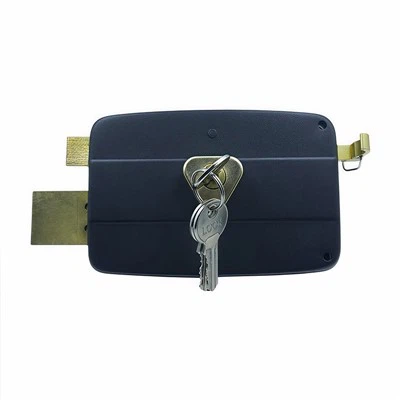
Hey there! As a supplier of small cylinder locks, I often get asked about the power consumption of these nifty electronic devices. Today, I'm gonna break it down for you and give you all the deets on what affects the power usage of an electronic small cylinder lock.
First off, let's talk about what an electronic small cylinder lock is. It's a compact lock that can be installed on various types of doors, like Wooden Door Lock, Privacy Lock, and Small Door Lock. These locks use electronic components to operate, which means they need a power source to function.
The power consumption of an electronic small cylinder lock can vary depending on several factors. One of the main factors is the type of locking mechanism used. There are two common types: electromagnetic and motorized.
Electromagnetic locks use an electric current to create a magnetic field that holds the lock in place. When the correct code or key is entered, the current is interrupted, and the magnetic field is released, allowing the door to open. These locks typically have a relatively low power consumption when they're in the locked state because they only need a small amount of electricity to maintain the magnetic field. However, when the lock is being unlocked or locked, there's a brief surge in power as the current is switched on and off.
On the other hand, motorized locks use a small electric motor to turn the locking mechanism. When the user enters the correct code or uses a key, the motor is activated, and it rotates the lock to either lock or unlock the door. Motorized locks generally consume more power than electromagnetic locks, especially during the operation of the motor. The power consumption can also vary depending on the size and strength of the motor.
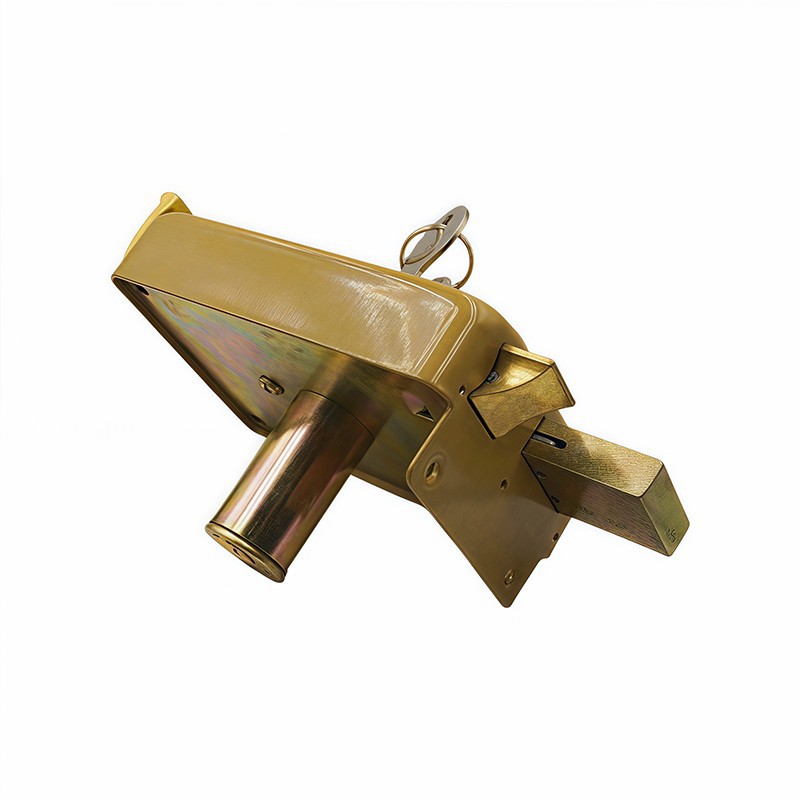

Another factor that affects power consumption is the frequency of use. If the lock is used frequently, it will consume more power over time. For example, if it's installed on a door that's opened and closed multiple times a day, the battery or power supply will need to be replaced or recharged more often compared to a lock that's only used occasionally.
The type of power source also plays a role. Most electronic small cylinder locks can be powered by batteries or by a direct electrical connection. Battery-powered locks are convenient because they're easy to install and don't require any wiring. However, the batteries need to be replaced regularly, and the power consumption of the lock will determine how often this needs to be done. Some locks come with low-battery indicators to let you know when it's time to change the batteries.
If you choose to use a direct electrical connection, the lock will be powered continuously, and you won't have to worry about changing batteries. However, you'll need to make sure that there's a nearby power outlet and that the electrical wiring is installed correctly.
Let's talk numbers. On average, an electromagnetic small cylinder lock might consume around 0.5 to 2 watts of power when it's in the locked state. During the unlocking and locking process, the power consumption can spike to around 5 to 10 watts for a few seconds. Motorized locks, on the other hand, can consume anywhere from 2 to 5 watts when they're idle and up to 15 to 20 watts during the operation of the motor.
To reduce the power consumption of your electronic small cylinder lock, there are a few things you can do. First, you can choose a lock with energy-efficient components. Some manufacturers design their locks to use less power without sacrificing performance. Second, you can adjust the settings of the lock to reduce the frequency of unnecessary operations. For example, you can set the lock to automatically lock after a certain period of time, which can save power by reducing the number of times the motor or electromagnetic mechanism needs to be activated.
If you're using battery-powered locks, you can also choose high-quality batteries that have a longer lifespan. Rechargeable batteries are a great option because they're more environmentally friendly and can save you money in the long run.
In conclusion, the power consumption of an electronic small cylinder lock depends on several factors, including the type of locking mechanism, the frequency of use, and the power source. By understanding these factors, you can make an informed decision when choosing a lock and take steps to reduce its power consumption.
If you're in the market for an electronic small cylinder lock or have any questions about power consumption or other features, feel free to reach out. I'm here to help you find the perfect lock for your needs. Whether it's for a Wooden Door Lock, Privacy Lock, or Small Door Lock, I've got you covered. Let's start a conversation and see how we can work together to get you the best locking solution.
References
- General knowledge of electronic lock technology
- Industry reports on small cylinder lock power consumption