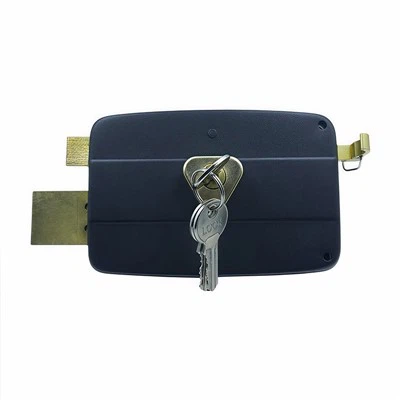
As a supplier of self - locking doors, I often encounter inquiries regarding the availability of panic bar options for these doors. This topic is not only relevant but also crucial for many commercial and public building owners, considering safety regulations and the need for quick egress in emergency situations.
Understanding Self - Locking Doors
Self - locking doors are designed to automatically lock after closing. They offer enhanced security by ensuring that the door remains shut without the need for manual locking. These doors are commonly used in various settings, including offices, schools, hospitals, and retail stores. The locking mechanism can be activated through different means, such as magnetic locks, deadbolts, or electronic locking systems.
One of the key advantages of self - locking doors is the convenience they provide. In high - traffic areas, users don't have to worry about remembering to lock the door behind them, which helps maintain a secure environment. However, this very feature can pose a challenge when it comes to emergency exits.
The Importance of Panic Bars
Panic bars, also known as crash bars or push bars, are safety devices installed on doors to allow for easy and quick exit during emergencies. When a person pushes against the bar, the door unlocks and can be opened immediately. This is especially important in situations where people may be in a state of panic, such as during a fire, earthquake, or other disasters.
In many countries, building codes and safety regulations require that certain types of doors, especially those serving as emergency exits in commercial and public buildings, be equipped with panic bars. These regulations are in place to protect the lives of occupants by ensuring that they can evacuate the building quickly and safely.
Can Self - Locking Doors Have Panic Bar Options?
The answer is yes. Self - locking doors can indeed be equipped with panic bar options. There are several ways to achieve this integration:
1. Mechanical Integration
Some self - locking door mechanisms can be combined with mechanical panic bars. For example, a self - locking deadbolt system can be designed in such a way that when the panic bar is pushed, it disengages the deadbolt, allowing the door to open. This type of integration is relatively straightforward and has been used for many years in traditional door hardware systems.


2. Electronic Integration
With the advancement of technology, electronic self - locking doors can also be integrated with panic bars. Electronic panic bars can be connected to the building's security system, allowing for remote monitoring and control. For instance, in case of an emergency, the security system can be programmed to unlock all the self - locking doors equipped with panic bars simultaneously. This provides an additional layer of safety and flexibility.
Benefits of Combining Self - Locking Doors with Panic Bars
1. Enhanced Security and Safety
By combining self - locking doors with panic bars, building owners can achieve both security and safety goals. During normal operation, the self - locking feature ensures that the doors remain locked, preventing unauthorized access. In an emergency, the panic bars allow for quick and easy exit, reducing the risk of injury or loss of life.
2. Compliance with Regulations
As mentioned earlier, many building codes require the installation of panic bars on emergency exit doors. By offering self - locking doors with panic bar options, building owners can ensure that their buildings are in compliance with these regulations, avoiding potential fines and legal issues.
3. User Convenience
For building occupants, the combination of self - locking doors and panic bars provides a seamless experience. They don't have to worry about unlocking the door manually when exiting in an emergency, and the self - locking feature ensures that the door remains secure when they are inside the building.
Types of Locks Compatible with Panic Bars on Self - Locking Doors
1. Quarter Turn Lock
Quarter turn locks are a popular choice for self - locking doors with panic bars. These locks can be easily integrated with panic bar systems, allowing for smooth operation. When the panic bar is pushed, the quarter turn lock can be disengaged, enabling the door to open.
2. Universal Door Lock
Universal door locks are designed to be compatible with a wide range of door types and panic bar systems. They offer flexibility in installation and can be adjusted to meet the specific requirements of different self - locking door applications.
3. Push Door Lock
Push door locks are another option for self - locking doors with panic bars. These locks are activated by pushing the door, and when combined with a panic bar, they provide a simple and effective solution for emergency egress.
Considerations When Choosing Self - Locking Doors with Panic Bar Options
1. Building Requirements
Before choosing a self - locking door with a panic bar option, it is important to consider the specific requirements of the building. This includes the type of occupancy, the number of occupants, and the building's layout. For example, a large commercial building with a high volume of traffic may require a more robust and reliable panic bar system.
2. Safety Standards
Ensure that the self - locking door and panic bar combination meets all relevant safety standards and building codes. This may involve obtaining certification from recognized testing agencies to ensure that the system has been tested and approved for use in emergency exit applications.
3. Maintenance and Durability
Consider the maintenance requirements and durability of the self - locking door and panic bar system. Regular maintenance is essential to ensure that the system operates properly at all times. Choose high - quality components that are designed to withstand frequent use and environmental factors.
Conclusion
In conclusion, self - locking doors can have panic bar options, and this combination offers a great solution for building owners who need to balance security and safety. Whether it's through mechanical or electronic integration, there are various ways to achieve this integration. By choosing the right type of lock, such as Quarter Turn Lock, Universal Door Lock, or Push Door Lock, and considering the building requirements, safety standards, and maintenance needs, building owners can ensure that their self - locking doors with panic bars provide a reliable and effective emergency egress solution.
If you are interested in purchasing self - locking doors with panic bar options, we invite you to contact us for further discussion and to explore our range of products. Our team of experts is ready to assist you in finding the best solution for your specific needs.
References
- International Building Code (IBC)
- National Fire Protection Association (NFPA) standards
- Door and Hardware Institute (DHI) guidelines