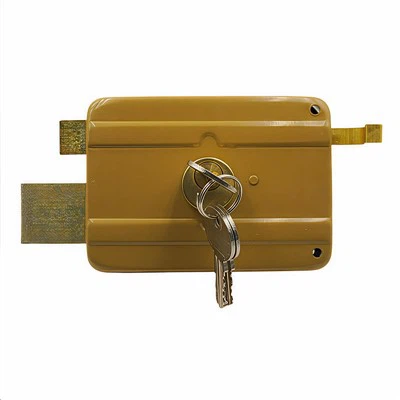
As a supplier of push pad door locks, I often get asked about the suitability of our products for historic buildings. This is a complex and important question, as historic buildings are not just structures but repositories of cultural heritage. In this blog, I'll explore the various aspects of using push pad door locks in these unique settings.
The Charm and Constraints of Historic Buildings
Historic buildings carry with them a rich tapestry of history, architecture, and cultural significance. Their unique designs, materials, and construction methods are a testament to the craftsmanship of bygone eras. Preserving these buildings is crucial for future generations to understand and appreciate our past.
However, this preservation often comes with strict regulations and guidelines. Local heritage authorities usually have specific requirements regarding any modifications or additions to these buildings. These rules are in place to ensure that the historical integrity, aesthetic appeal, and structural stability of the buildings are maintained. For example, any new elements should blend seamlessly with the existing architecture and not cause damage to the original materials.
Advantages of Push Pad Door Locks
Security
Push pad door locks offer a high level of security. They typically use a combination code, which eliminates the need for traditional keys. This means there's no risk of keys being lost, stolen, or duplicated without authorization. In a historic building, where valuable artifacts or important documents might be stored, this enhanced security can be a significant advantage.
Convenience
For users, push pad door locks are incredibly convenient. There's no fumbling around for keys in the dark or when your hands are full. You simply enter the correct code, and the door unlocks. This can be especially useful in a historic building that receives a large number of visitors, such as a museum or a heritage site. Staff can quickly and easily access different areas, improving efficiency.
Customization
Many push pad door locks can be customized to suit specific needs. You can set different access codes for different users, change the codes as needed, and even set time - based access restrictions. This flexibility can be tailored to the unique requirements of a historic building, such as allowing access only during certain hours or to specific individuals.
Challenges of Using Push Pad Door Locks in Historic Buildings
Aesthetic Compatibility
One of the main challenges is ensuring that the push pad door lock blends in with the historic architecture. These buildings often have a distinct style, whether it's Victorian, Gothic, or Colonial. A modern - looking push pad lock might stand out like a sore thumb and detract from the overall aesthetic appeal.


To address this, some manufacturers offer locks with a more traditional or antique - style design. These locks are crafted to mimic the look of old - fashioned hardware, with details like ornate finishes and classic shapes. However, finding the right balance between functionality and aesthetics can still be a tricky task.
Installation
Historic buildings are often made of delicate materials such as old wood, stone, or plaster. Installing a push pad door lock may require drilling holes or making other modifications to the door or doorframe. This can potentially damage the original structure and violate preservation guidelines.
Before installation, it's essential to consult with a professional who has experience working on historic buildings. They can assess the best way to install the lock without causing harm. In some cases, non - invasive installation methods might be used, such as using adhesives or magnetic mounts instead of drilling.
Compatibility with Existing Systems
Many historic buildings have existing door hardware and locking systems. Integrating a new push pad door lock with these systems can be challenging. For example, the new lock might not fit properly with the existing strike plate or door mechanism.
This requires careful planning and, in some cases, the assistance of a locksmith or a building conservation expert. They can help ensure that the new lock works seamlessly with the existing infrastructure without causing any disruptions.
Case Studies
Let's look at a few real - world examples of using push pad door locks in historic buildings.
A Historic Museum
A local museum in a Victorian - era building decided to upgrade its security by installing push pad door locks. The museum staff was concerned about the aesthetic impact, so they chose locks with a brass finish and a traditional design. The installation was carefully planned, with a team of conservationists overseeing the process to ensure no damage to the old wooden doors.
The new locks have been a great success. They've improved security, allowing the museum to better protect its valuable artifacts. At the same time, the locks blend in well with the historic interior, and visitors hardly notice them.
A Heritage Home
A heritage home that is open to the public for tours wanted to add a push pad door lock for convenience. The owners were worried about the installation process on their old stone doorframe. After consulting with experts, they opted for a non - invasive installation method using a magnetic mount.
The push pad lock has made it easier for the staff to manage access to the home during tours. It has also provided an extra layer of security, as only authorized personnel can enter certain areas.
Making the Decision
If you're considering using a push pad door lock in a historic building, here are some steps to follow:
Research
Do your research on different types of push pad door locks. Look for ones that have a suitable design and features for your specific building. Check out reviews and case studies to see how other historic buildings have fared with similar installations.
Consultation
Consult with local heritage authorities. They can provide you with the necessary guidelines and permissions for installing a new lock. Also, seek advice from professionals such as locksmiths, building conservationists, and architects who have experience working on historic buildings.
Testing
Before a full - scale installation, consider testing the lock on a non - critical door or in a less visible area. This will allow you to assess its functionality, aesthetic compatibility, and ease of use.
Conclusion
In conclusion, push pad door locks can be used in historic buildings, but it requires careful consideration and planning. The benefits of enhanced security and convenience are significant, but the challenges of aesthetic compatibility, installation, and integration with existing systems must be addressed.
If you're interested in exploring the use of push pad door locks for your historic building, I'd be more than happy to assist. Our company offers a wide range of push pad door locks, including options with a traditional design. You can also check out our Shed Door Locks, House Locks, and Self Locking Door products. Contact us to start a discussion about your specific needs and how we can help you find the perfect solution for your historic building.
References
- "Historic Building Preservation: Principles and Practices" by an unknown author.
- "The Art of Door Hardware: A Guide to Design and Function" from a local library collection.
- Case studies from various heritage sites and museums.