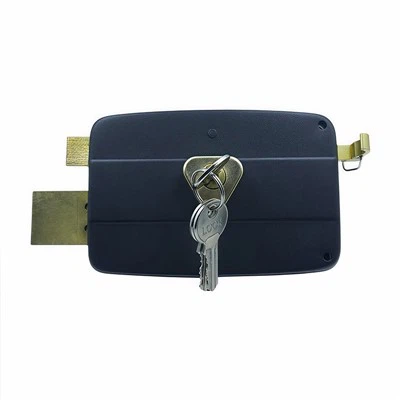
When it comes to the security and functionality of commercial and public buildings, push bar locks play a crucial role. As a dedicated push bar lock supplier, I often encounter questions from customers regarding various aspects of these locks, and one frequently asked question is, "What is the weight of a typical push bar lock?" In this blog post, I will delve into this topic, exploring the factors that influence the weight of push bar locks, typical weight ranges, and why the weight can matter in different applications.
Factors Influencing the Weight of Push Bar Locks
The weight of a push bar lock is not a random number; it is determined by several key factors that are closely related to the lock's design, materials, and intended use.
Material Composition
The materials used in the construction of a push bar lock have a significant impact on its weight. Common materials include stainless steel, aluminum, and brass. Stainless steel is known for its durability and resistance to corrosion, making it a popular choice for high - traffic areas. However, it is also relatively heavy. A push bar lock made of stainless steel can be quite substantial due to the density of the material. On the other hand, aluminum is a lightweight alternative. It offers good strength - to - weight ratio, which means it can provide sufficient security while keeping the overall weight down. Brass is another option, which has an attractive appearance and good mechanical properties, but it also has a certain weight due to its metallic nature.
Lock Mechanism Complexity
The complexity of the lock mechanism also affects the weight. Push bar locks can have simple or elaborate locking mechanisms. A basic push bar lock with a straightforward locking function may be lighter compared to a more advanced model that includes additional features such as panic exit capabilities, anti - tampering devices, or electronic access control. These extra components add to the overall weight of the lock. For example, a push bar lock with an integrated electronic keypad or card reader will be heavier than a traditional mechanical lock because of the added electronics and associated hardware.


Size and Dimensions
The size of the push bar lock is an obvious factor in determining its weight. Larger push bar locks are generally heavier than smaller ones. The length, width, and thickness of the push bar, as well as the size of the lock housing, all contribute to the overall mass. A longer push bar may be required for wider doors, and this additional length of the bar and the associated hardware will increase the weight. Similarly, a thicker lock housing provides more protection and durability but also adds to the weight.
Typical Weight Ranges of Push Bar Locks
Based on my experience as a push bar lock supplier, I can provide some general weight ranges for different types of push bar locks.
Light - Duty Push Bar Locks
Light - duty push bar locks are often used in low - traffic areas such as small offices or storage rooms. These locks are typically made of lightweight materials like aluminum and have a relatively simple locking mechanism. The weight of a light - duty push bar lock can range from 5 to 10 pounds (2.27 to 4.54 kilograms). These locks are easy to install and operate, and their lighter weight makes them suitable for doors that may not be able to support a heavier lock.
Medium - Duty Push Bar Locks
Medium - duty push bar locks are more commonly used in commercial buildings such as restaurants, retail stores, and small - to - medium - sized offices. They are usually made of a combination of materials, such as a stainless - steel push bar with an aluminum or brass lock housing. The weight of a medium - duty push bar lock typically falls between 10 and 20 pounds (4.54 to 9.07 kilograms). These locks offer a good balance between security and ease of use, and their weight is appropriate for most standard commercial doors.
Heavy - Duty Push Bar Locks
Heavy - duty push bar locks are designed for high - traffic areas and applications where maximum security is required, such as hospitals, schools, and large commercial buildings. These locks are often made of high - strength stainless steel and have complex locking mechanisms. The weight of a heavy - duty push bar lock can exceed 20 pounds (9.07 kilograms), and in some cases, it can go up to 30 pounds (13.61 kilograms) or more. These locks are built to withstand frequent use and potential abuse, and their heavier weight is a sign of their durability and reliability.
Why the Weight of a Push Bar Lock Matters
The weight of a push bar lock is not just a number; it has practical implications for installation, door performance, and overall security.
Installation
The weight of the push bar lock affects the installation process. A heavier lock requires more secure mounting to ensure it is properly attached to the door. This may involve using stronger screws or additional mounting brackets. Installers need to take the weight into account when planning the installation to ensure that the door can support the lock without any issues. For example, if a heavy - duty push bar lock is installed on a lightweight door without proper reinforcement, it could cause the door to sag or the lock to become loose over time.
Door Performance
The weight of the push bar lock can also impact the performance of the door. A heavy lock can make the door more difficult to open and close, especially if the door hinges are not designed to handle the additional weight. This can lead to increased wear and tear on the hinges and other door components, reducing the lifespan of the door. On the other hand, a lock that is too light may not provide sufficient security or stability. Therefore, it is important to choose a push bar lock with an appropriate weight for the door to ensure optimal performance.
Security
In terms of security, the weight of the push bar lock can be an indicator of its durability and strength. A heavier lock is generally more difficult to break or tamper with compared to a lighter one. This is because the materials and construction of a heavier lock are often more robust. For example, a heavy - duty stainless - steel push bar lock with a thick housing and complex locking mechanism provides better protection against forced entry than a lightweight aluminum lock.
Related Push Bar Lock Products
As a push bar lock supplier, I offer a wide range of products to meet different customer needs. You can explore our Push Lock, which is a reliable option for various applications. Our Universal Door Lock is designed to fit a wide variety of doors, providing flexibility and convenience. And for those looking for a specific push - type door lock, our Push Door Lock is a great choice.
Conclusion
In conclusion, the weight of a typical push bar lock is influenced by factors such as material composition, lock mechanism complexity, and size. Light - duty push bar locks can weigh between 5 and 10 pounds, medium - duty locks range from 10 to 20 pounds, and heavy - duty locks can exceed 20 pounds. The weight of the lock is important for installation, door performance, and security. When choosing a push bar lock, it is essential to consider the specific requirements of your application and select a lock with an appropriate weight.
If you are interested in purchasing push bar locks or have any questions about our products, please feel free to contact us for a detailed discussion. We are committed to providing high - quality push bar locks and excellent customer service.
References
- "Door Hardware Handbook" by the Door and Hardware Institute.
- Industry standards and specifications for push bar locks from relevant professional organizations.